Choosing the right pair of spurs
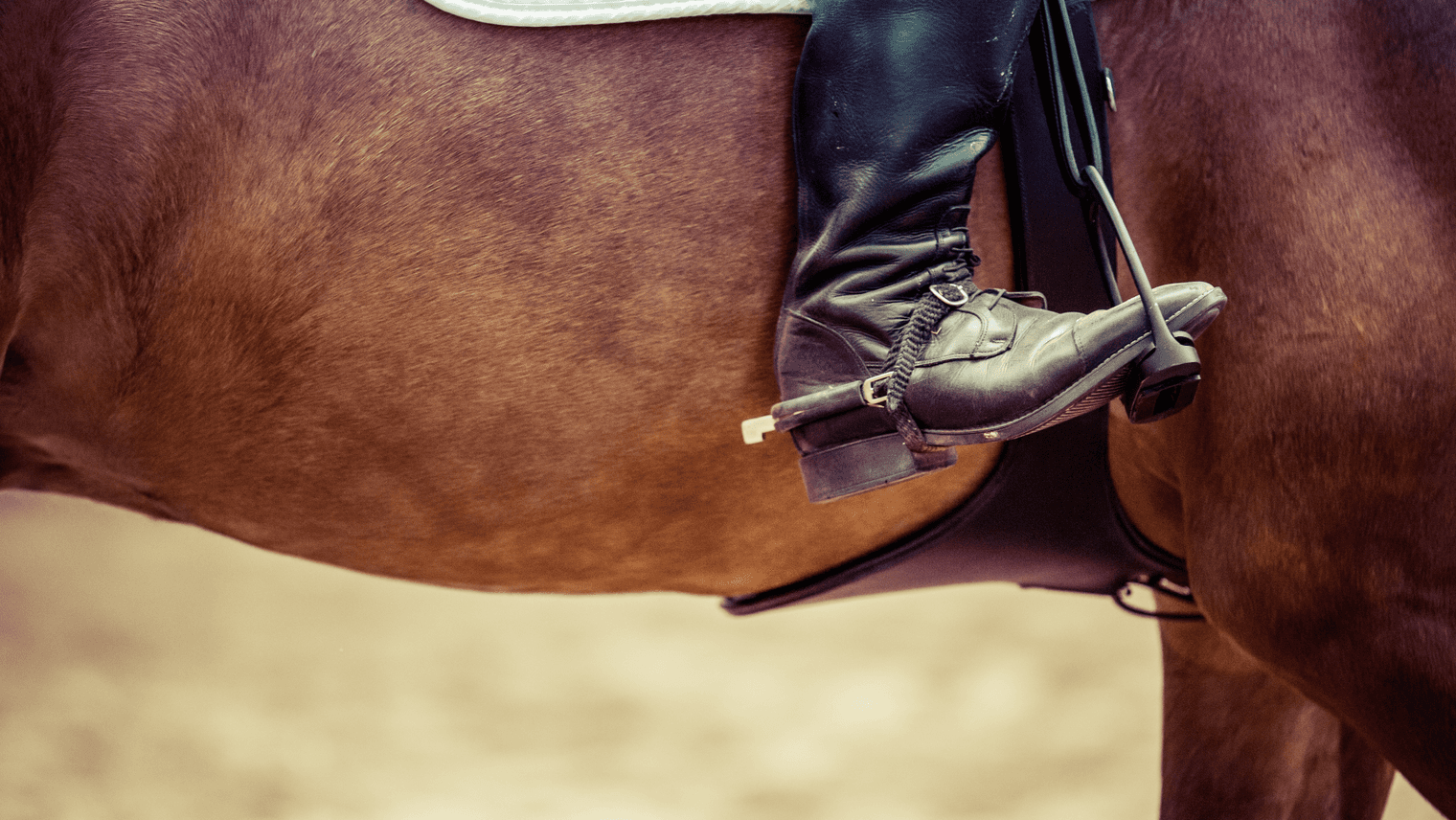
In riding, spurs are what we call an "artificial aid". Like the whip, they come in a range of shapes, sizes and materials. Going by the various archive records, spurs have clearly been around for several thousand years. How these pieces of riding equipment are used depends on a number of factors. In this article, we offer a short overview of spurs and how to choose them well.
What are spurs for?
First of all, it is worth being clear about what spurs actually do. Put simply, if you use a pair of spurs, it is because you want to back up the action of your legs with a particular intensity or precision. Spurs are mainly used in dressage, cross-country, show jumping and polo. They also feature in a number of other activities linked to the traditional riding of certain countries or regions. On the other hand, you will very rarely see spurs used in purely leisure or hacking-based riding.
Generally speaking, spurs are worn alongside a steady leg. Without that, your horse may well fail to understand you or feel pain. Yet the whole point of wearing spurs is to guide the horse with precision while sparing it any discomfort. Wearing spurs therefore introduces the idea of respect: respect for the horse's physical integrity, respect for its sensations, respect for its responses to the various requests made of it. This is why some riders only use spurs occasionally.
What are the main families of spurs?
There are five main families of spurs. The first of these is the round-ended type, known as "Polo" spurs. In principle, round ends are the least severe. They were originally used by riders who were not in the habit of riding with spurs.
Next come the spurs in the Prince of Wales category. These are finer than the round-ended ones. Shank length can vary, and their severity increases with the length of the shank.
Then there is the swan-neck family. These look very much like Prince of Wales spurs, except that the shank points upwards rather than downwards. This type of spur is mainly used by riders with very long legs, whose legs come down below the horse's belly.
There is also the category known as hammer-head spurs. These have a long shank and a relatively flared end. That said, they need to be paired with very steady legs.
Finally, there is the rowel category. Rowel spurs may be circular, smooth or toothed.
Broadly speaking, remember that before using a pair of spurs you should ask yourself several questions. Why do you need spurs? Does your horse really need this piece of equipment? Might my leg simply lack tone? Do I have enough experience to use them? The decision to use spurs should sit at the heart of constructive schooling. And when you do need them, buy the best quality you can. The right choice is at La Sellerie Française.
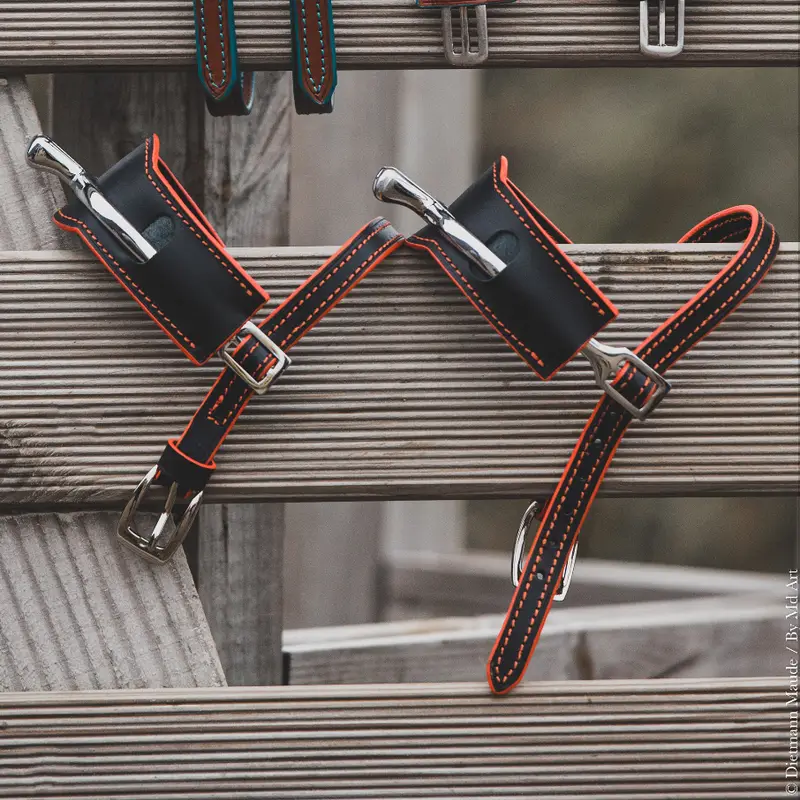
From the workshops
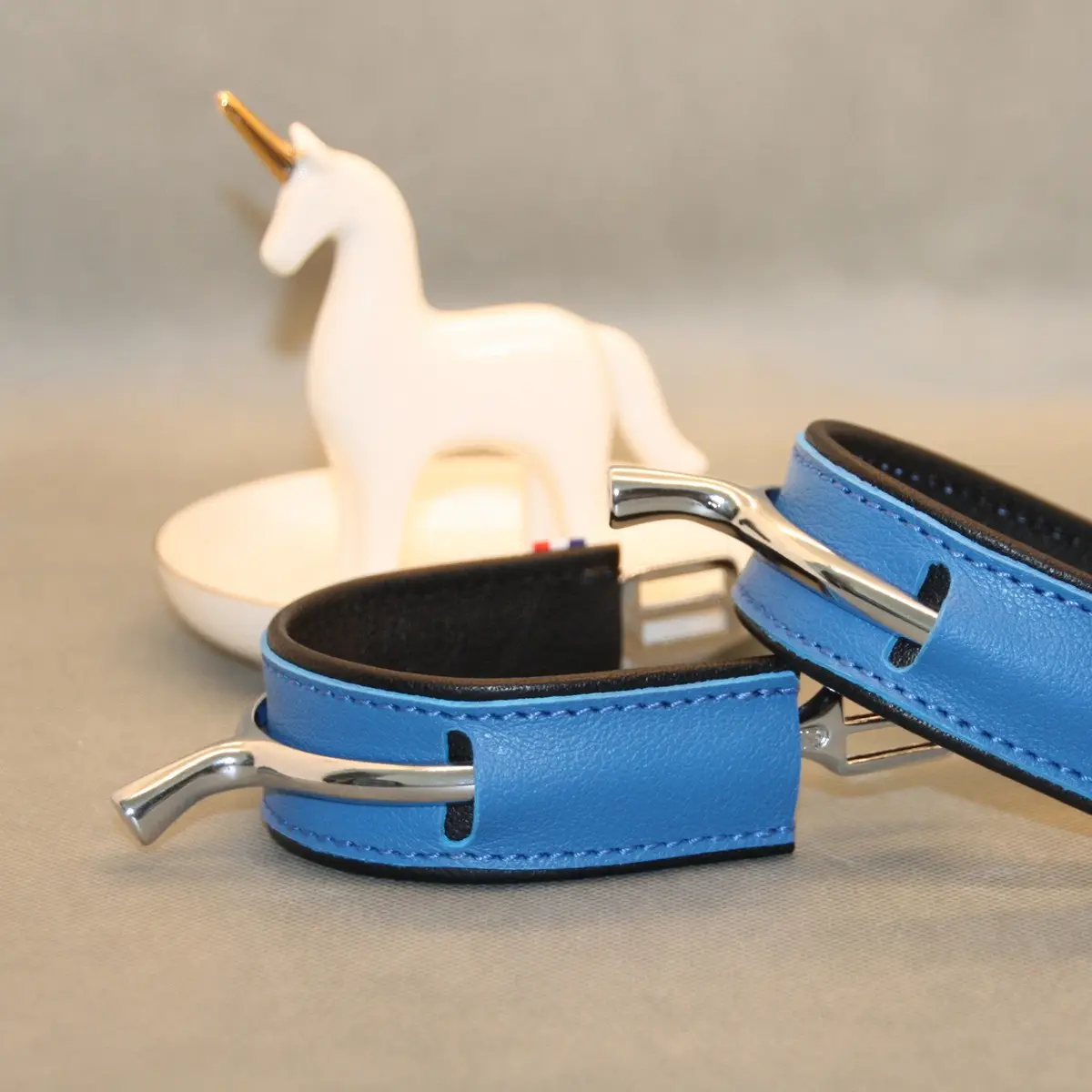
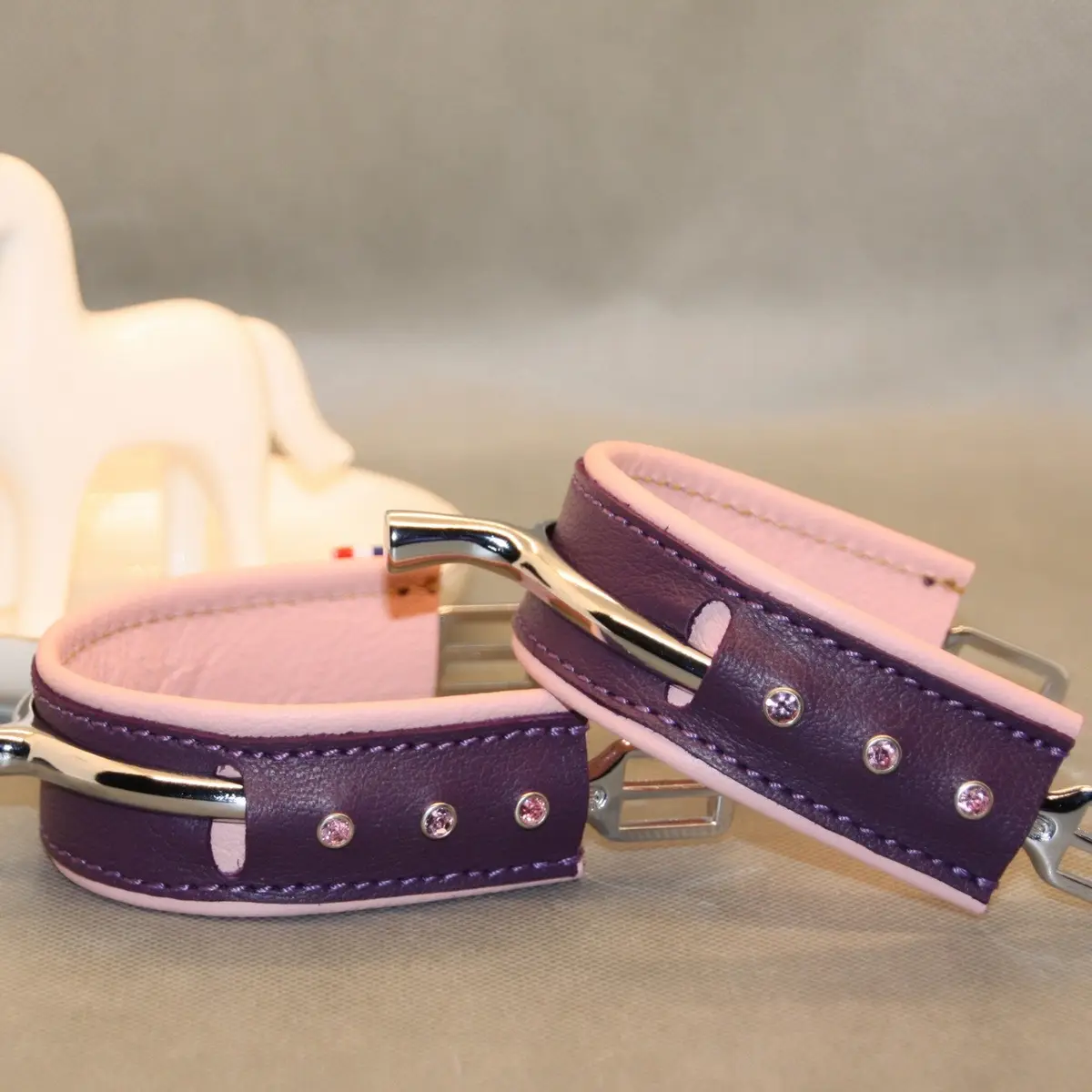
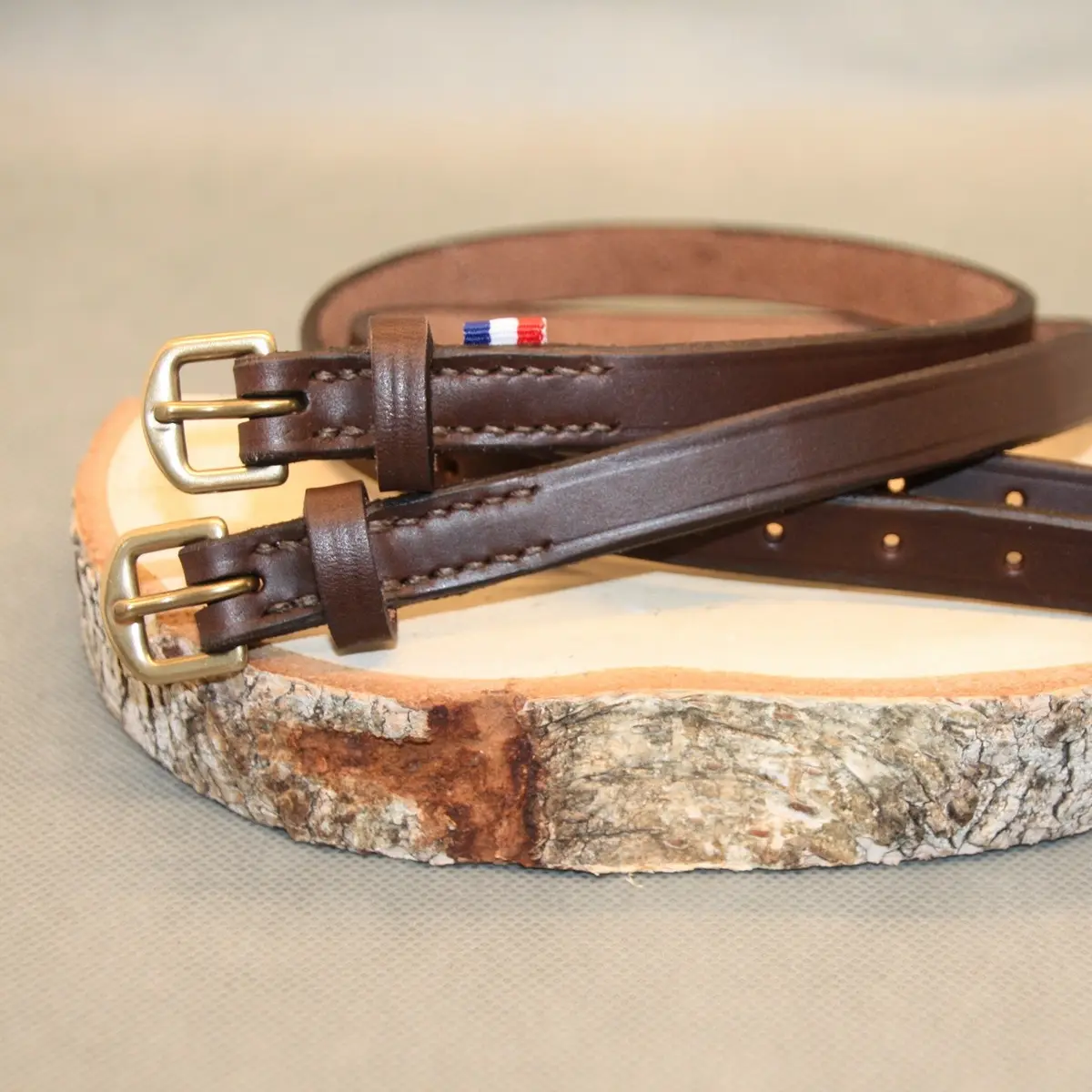
Pieces related to this guide
Also worth reading