Positioning your saddle correctly on your horse's back
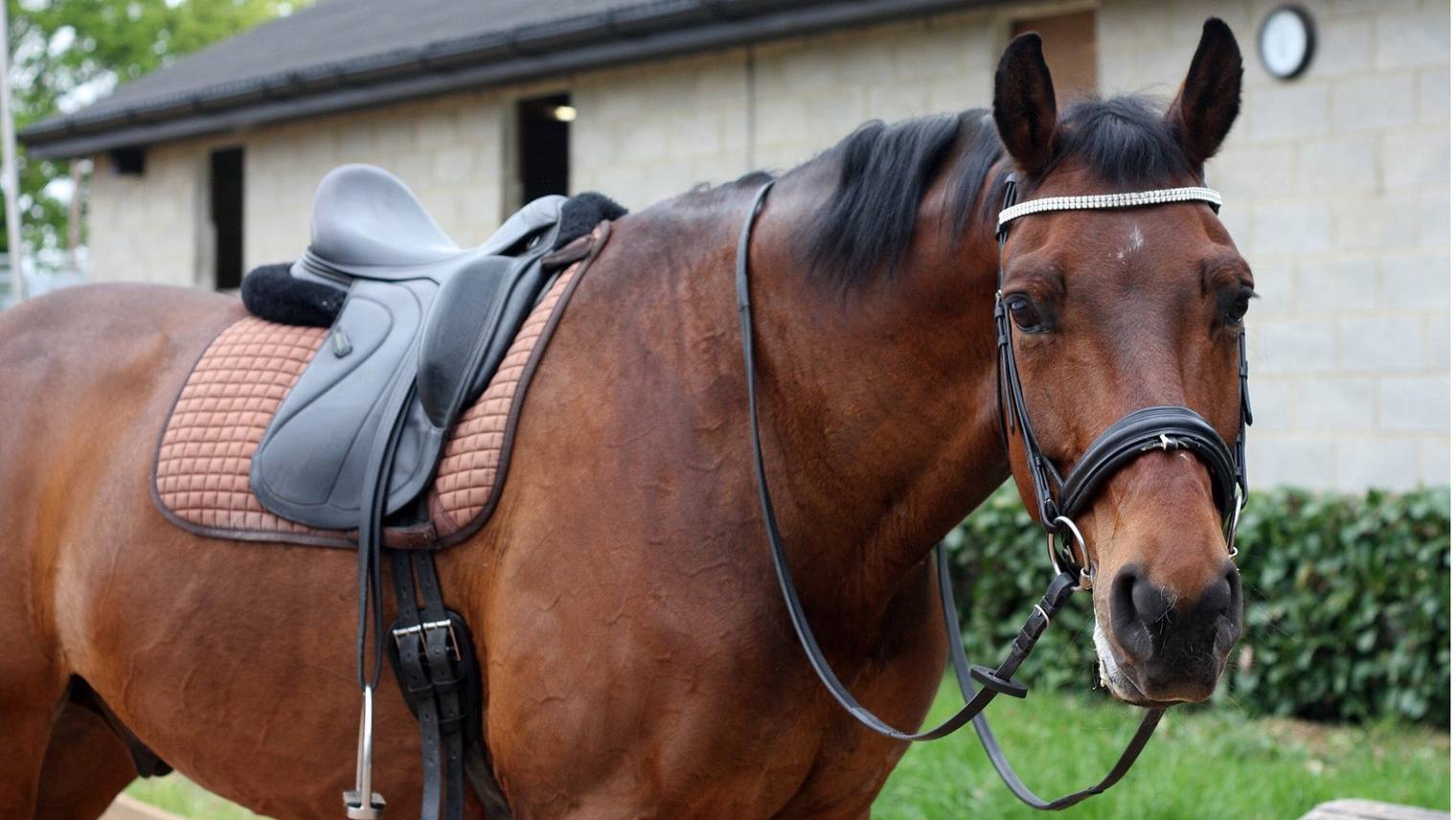
To assess how the saddle sits on the horse, you first need to place it in the correct position without a saddle pad and without a girth. Correct positioning is decisive for the saddle to work properly. It's important here to pay attention to the horse's various anatomical limits.
The shoulder blade
When the foreleg swings forward, the shoulder blade rotates backwards. During this movement, the head of the saddle must not restrict the shoulder blade, which is why the saddle should be placed so that the points of the tree sit behind the shoulder blade. The upper edge of the shoulder blade lies a few fingers below the withers. By following this edge with your fingers, you can feel the back of the shoulder blade.
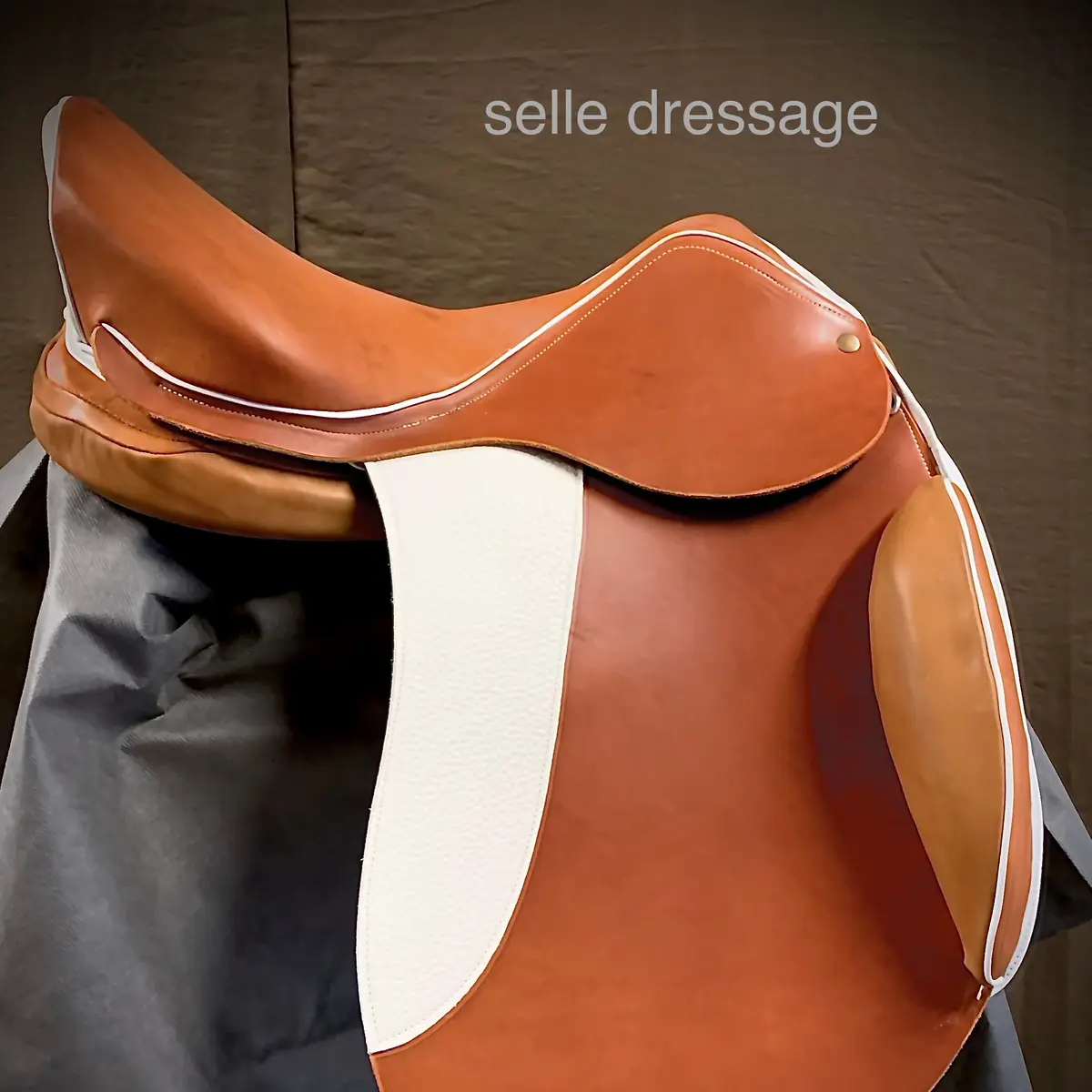
With a dressage saddle, the saddle should be placed so that the front edge of the saddle sits behind the shoulder blade. With a jumping saddle, whose flaps extend forward over the shoulder, you can use the points of the tree under the saddle flap as a guide. They must sit behind the shoulder blade. Whatever saddle you want for your horse, you'll find it at La Sellerie Française.
The base of the withers
The saddle must not put pressure on the base of the withers. This area contains several important nerve pathways and muscles. If pressure is applied here, horses react by hollowing their back as a reflex. This obviously has to be avoided when the horse is being ridden. The back muscles need to be able to contract and release so the horse can move freely and carry out the movements asked of it correctly.
If the saddle covers the lumbar region, which is sensitive to pressure, this can be uncomfortable for the horse and restrict its movement. The correct saddle position follows from these anatomical limits, which differ from one horse to the next. If the head of the saddle rests on the shoulder and the saddle's bearing surface extends well past the last thoracic vertebra, that's a sign the saddle is too long for that particular horse.
The last thoracic vertebra
At the back of the saddle, make sure the saddle's bearing surface does not extend significantly beyond the 18th and last thoracic vertebra. This can easily be located by feeling up along the horse's last rib from the flank. The lumbar vertebrae, which lie behind the 18th thoracic vertebra, are less suited to carrying weight, because of the orientation of their joints and the lack of stability that the ribs would otherwise provide.
By following this advice carefully, you'll be able to position the saddle effectively on your horse's back so you can ride at your best without risking hurting your horse. It will also spare you any unexpected resistance caused by pain your horse might feel, and keep you safer in everything you do with him.
From the workshops
Pieces related to this guide
Also worth reading