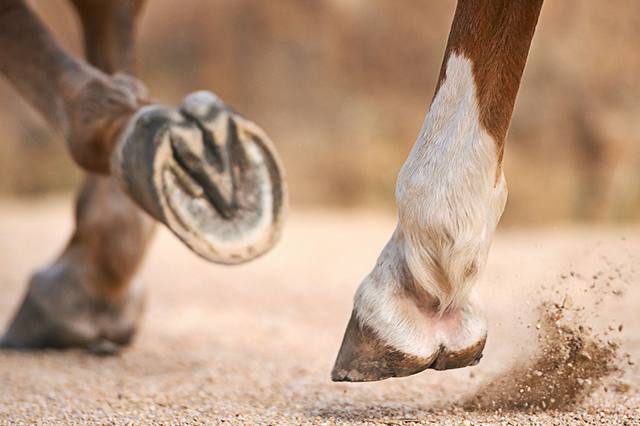
What you need to know about shoeing your horse
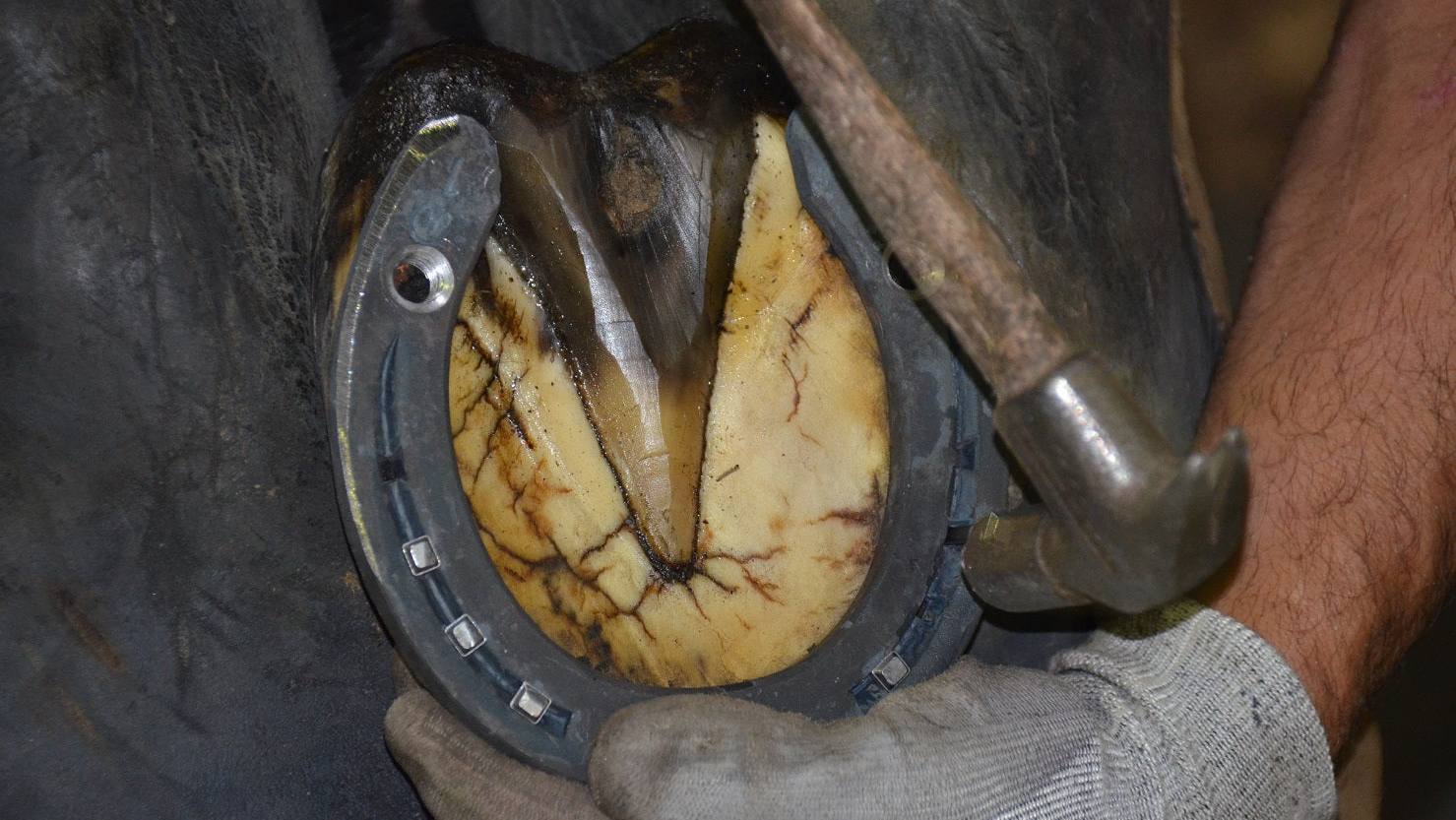
There's a saying in the horse world: "no foot, no horse". So if you become a horse owner, one question you'll have to ask yourself is what to do about shoeing. To begin with, should you shoe your horse at all? Why has it become standard practice? These are all questions worth asking when it comes to shoeing. We look at them in this article.
Should you shoe your horse?
People often think of shoeing as a way of protecting the horse's hoof, rather like a pair of shoes. Except that we aren't born wearing shoes. So the question remains: should you shoe your horse regardless? It has to be said that whether or not you shoe your horse will depend on his age, his breed and the kind of work he does, whether he's in hard work, ridden for leisure or resting. The decision will also depend on the type of ground the horse lives and works on, whether that's a track, a field or a stable.
In any case, if the horse does need shoes, it's the farrier and the vet who are best placed to advise on the type of shoeing to choose. That will depend on his conformation, his specific needs and any potential locomotor problems.
That said, equestrian specialists often consider that young horses and retired horses can be left barefoot. The same goes for horses that do very little work or that work on soft ground. It also applies to horses that are resting, turned away for the winter or on holiday. Beyond shoeing, you'll also find other protective equipment at La Sellerie Française.
What to consider when it comes to fitting pads
When the farrier comes to assess your horse and work out what he needs, there are several questions you should be asking about certain aspects of the shoeing.
The first thing to look at is the type of material to use. Should you go for plastic, steel or aluminium shoes? Generally speaking, steel shoes are the most widely used. That's because they're all-purpose shoes, easy to fit and suitable for most jobs. They're pretty much ideal for leisure horses, those in moderate work, or horses needing orthopaedic shoeing. Then there's aluminium and plastic, which are far more precise and comfortable. They suit racehorses better and call for top-level performance and specialist tools.
Next comes the question of pads. Should you fit them? Pads are a form of protection placed between the shoe and the horse's sole to give him more comfort. They can be made of silicone or leather. They're by no means compulsory, and whether they're used will depend on what the horse does.
Your farrier can also talk you through the fit of the shoe, its cover and whether the shoe should be bevelled.
From the workshops
Pieces related to this guide



Also worth reading