Équitation éthologique: understand learning before choosing equipment
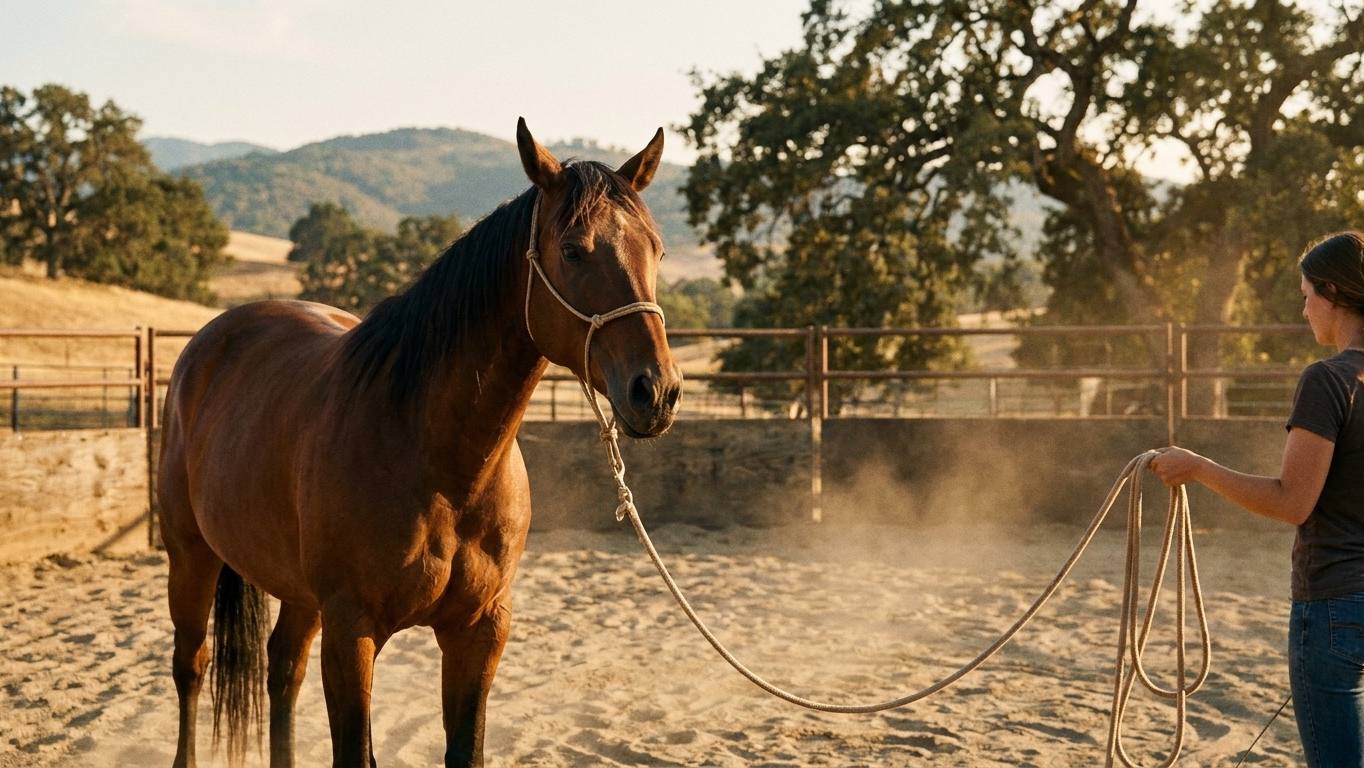
The French expression “équitation éthologique” refers to an approach to horse training. It is distinct from ethology, the scientific study of animal behaviour. To assess a session, examine what the horse is asked to do and how learning occurs, beyond the method’s name.
A label does not describe the whole practice
In France, the FFE provides a pathway of Savoirs assessments in équitation éthologique and specifies the qualifications required to validate them. If you plan an assessment, obtain its syllabus and check the instructor’s authorisation. FFE information on équitation éthologique
For an introductory lesson, ask for a concrete objective: leading in hand, understanding a cue or preparing for handling. “Earning respect” is too vague to explain what will be taught and how progress will be observed.
Understand reinforcement
Reinforcement increases the likelihood of a behaviour occurring again. “Positive” involves adding something valued; “negative” involves removing an aversive stimulus. The terms do not mean kind and unkind. The timing of the consequence matters to learning. IFCE guidance on operant conditioning
Ask the instructor to identify the cue, the intended response and what changes when the horse responds. This makes an exercise easier to understand than a promise of instinctive communication.
Describe behaviour before interpreting it
Record what you observe: the horse moves forward, stops, turns its head or moves away. Do not immediately conclude that it is trying to dominate you. The International Society for Equitation Science advises against assuming a dominance role in human–horse interactions. ISES training principles
When a difficulty appears, have the cue, environment and suitability of the exercise reviewed. An unusual behavioural change may also require veterinary assessment; it should not automatically be treated as a training fault.
Match equipment to the task
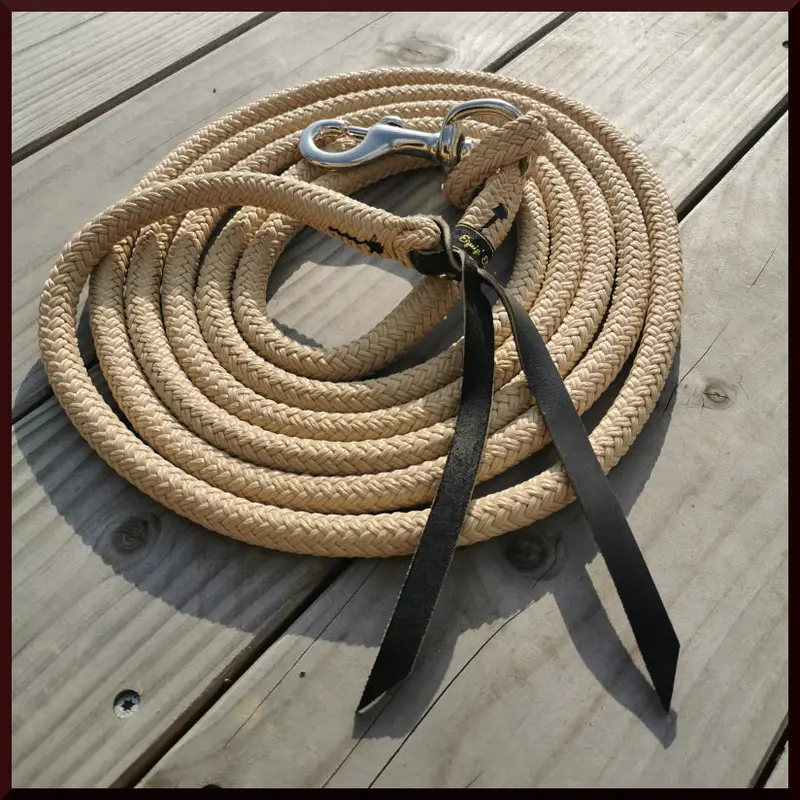
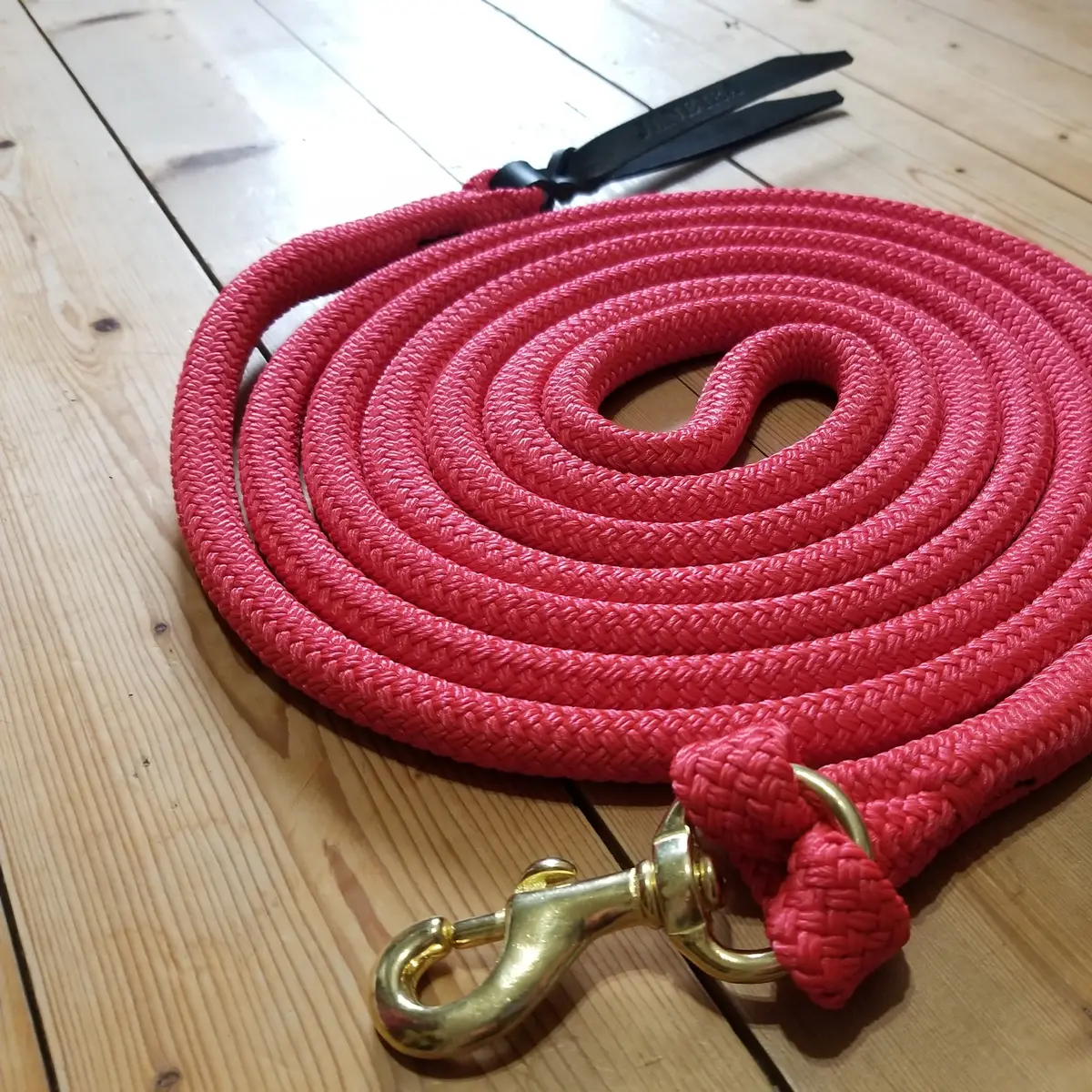
A rope halter does not establish that a session is gentle, and the absence of a bit is insufficient to judge an entire training approach. Have the choice, fit and limitations of each item explained. Do not improvise an exercise from a video with a horse whose previous learning you do not know.
After the session, record the goal, the responses observed and the agreed next step. This gives you a concrete record of progress and helps you ask precise questions at the next lesson. Keep your own developing handling skills in that review, alongside the horse’s responses.
From the workshops
Pieces related to this guide
Also worth reading