Helping your horse lose weight
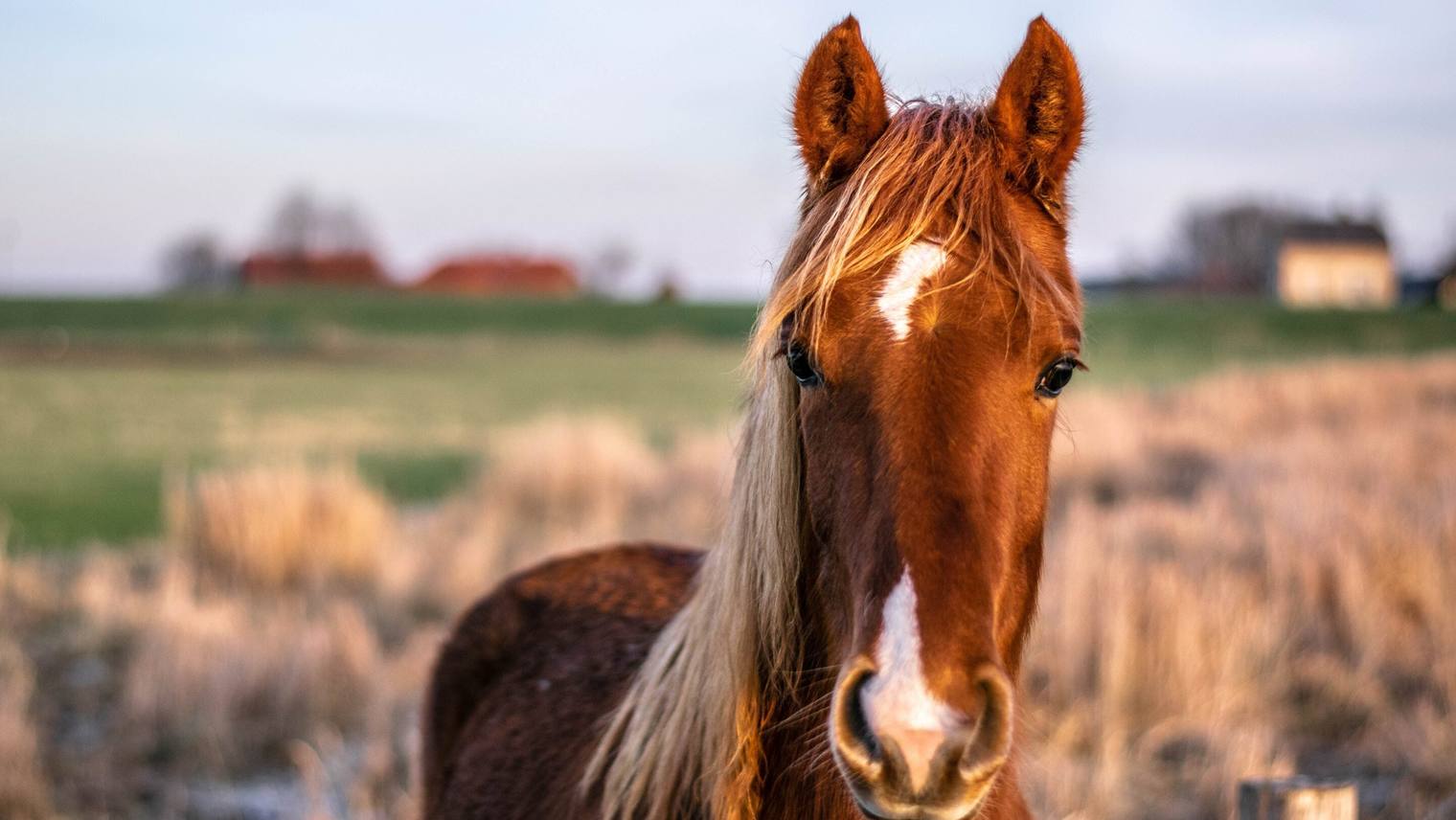
Helping your horse lose weight matters in certain cases. Risk of laminitis and the onset of various diseases… Excess weight needs to be dealt with quickly so the horse's health isn't put at risk. Some breeds are predisposed because of their hardiness, but the same approach applies to all horses and works well. Here are a few golden rules to follow.
Why keep an eye on your horse's body condition?
The digestive physiology of equids is suited to a diet that is low in energy and high in fibre. In the wild, horses graze grass in small amounts throughout the day (15 hours a day).
By making them sedentary, domestication has had a considerable effect on their feeding behaviour. A restricted space, with access to feed that is too good in quality and/or too plentiful, along with a lack of exercise, all encourage weight gain. Yet excess weight is very bad for a horse's general health. It is a risk factor that can lead to a number of conditions: laminitis, insulin resistance, equine metabolic syndrome (EMS), cardiovascular disease, osteochondrosis in the young horse, colic, reduced fertility…
Cut out concentrates to help your horse lose weight
Fat horses, especially those doing little work, don't need energy. Giving energy supplements to these horses is therefore pointless. For horses with higher requirements (growth/gestation/lactation/sport) that are carrying too much condition, the amount of concentrate needs adjusting. On the other hand, a vitamin and mineral supplement (VMS) and a salt lick shouldn't be overlooked, to make up for any shortfall in the forage. You'll find feeds suited to helping a horse lose weight on La Sellerie Française.
Feed forage that is high in fibre.
A diet based on fibrous forage low in energy (sugars/starch) is the key to an effective weight-loss regime. The more mature the grass, the more fibrous it is and the lower its nutritional value (sugar/protein content). So go for a daily ration of late-cut hay harvested at the heading stage (mid-June/July), at 1.0–1.5% of the horse's bodyweight (in kg of dry matter).
Control access to grazing
The aim is to limit the intake of fresh grass, particularly in spring and autumn, when young grass is very rich. To do this, the overweight horse should be kept in a bare paddock or one with little grass. There are several options: restrict grazing on areas at the leafy stage (5–15cm), where the grass is too rich. For example, move the area allocated to the horse with an electric fence line, offering a small strip of fresh grass each day. Graze areas at an advanced vegetative stage (more fibrous grass, so less rich). Graze areas that have been overgrazed. Turn overweight horses out after horses with higher requirements, or after other livestock. The horse will then have to scratch about among the rejected patches, tall grass at an advanced vegetative stage, high in cellulose and low in sugars/protein.
Slow down intake
Use equipment such as slow feeders, haynets, grazing muzzles and so on, and split the forage into several feeds through the day to encourage chewing, salivation and therefore good digestion.
Get them exercising
The obese horse struggles with exercise because it lacks fitness, not energy! It needs physical activity — moderate and appropriate, certainly, but regular — to get back into shape.
Adapt to the seasons
In spring and autumn, watch how rich the grass is and how much you offer. Approach winter as the horse would in nature, that is, without a rug. The cold will naturally make it burn fat, and so lose weight. Remember to limit or delay supplementary hay at the start of winter.
From the workshops
Pieces related to this guide
Also worth reading