The body protector
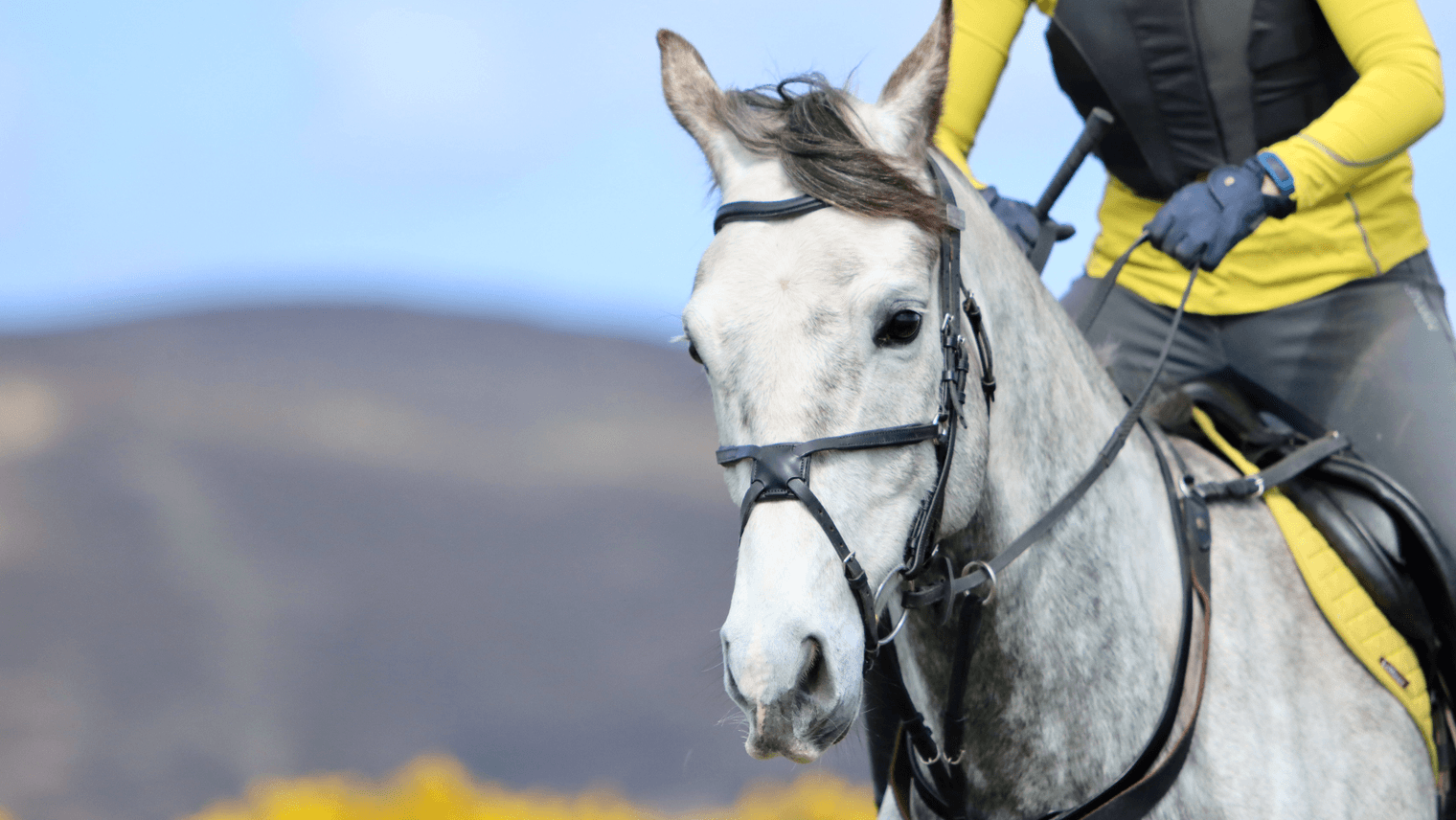
Under the Belgian Royal Decree of 7 August 1995 (Moniteur Belge 15.09.1995), personal protective equipment (PPE) is defined as any equipment intended to be worn or held by a worker in order to protect them against one or more risks likely to threaten their safety or health at work, along with any addition or accessory intended for that purpose. Excluded from this definition are ordinary work clothes and uniforms that are not specifically designed to protect the worker's safety and health; PPE used by the armed forces, the police and law enforcement services; PPE for road transport; sports equipment, and so on. The body protector is one of the items of protective equipment most strongly recommended to riders. What exactly does a body protector do? Which one should you choose? We look at this in the article below.
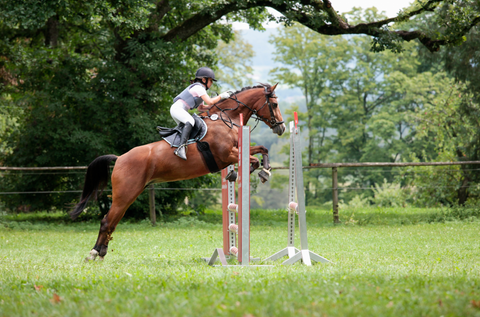 What is a body protector for?
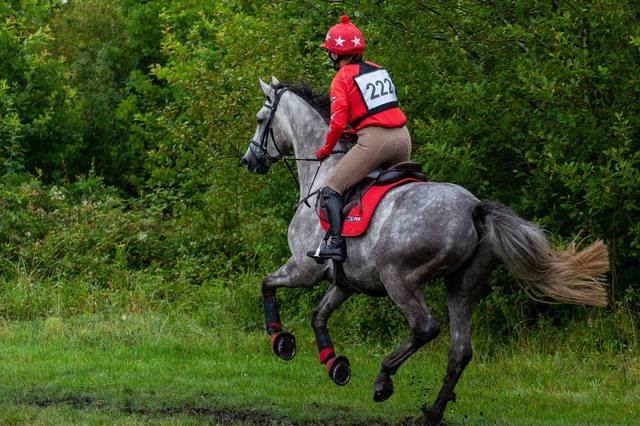
One of the items of personal protective equipment most widely recommended in the equestrian sector is the body protector. It is category 2 PPE which protects the wearer in a fall or if a horse kicks out, covering the upper body (chest and back). The body protector covers the whole rib cage and the upper part of the abdomen at the front, and runs from the seventh cervical vertebra down to the coccyx at the back. Some models also have shoulder pads. The standard covering the design of body protectors is the harmonised European standard EN13158.
A body protector is made up of an assembly of foams intended to absorb as much of the impact energy as possible. It mainly protects against the risk of muscle bruising and, in some cases, against rib fractures. It does not offer effective protection against dislocated shoulders or broken collarbones, since these mostly occur through compression. You will find the best body protectors at La Sellerie Française. On this marketplace for equestrian equipment and accessories, you can make the right choice and get the best value for money.
How do you choose a good body protector?
For the protection to be effective, the body protector must fit the wearer and be properly adjusted. The employer must make sure the protector chosen is as light and as comfortable as possible. Any damaged protector must be replaced. Alongside the conventional body protector, a French company has developed an air jacket. This is a protector containing air cushions, a compressed gas (CO2) canister and a coiled cord that is attached to a ring on the saddle while the rider is mounted. If the rider is thrown, the pull on the cord releases a firing pin which pierces the CO2 canister and inflates the jacket in 0.5 seconds. The air jacket protects the neck, spine, pelvis and chest. To be effective, it must fit the wearer and be worn over their outermost layer of clothing.
Also worth reading