Second-hand riding equipment: checks to make before buying
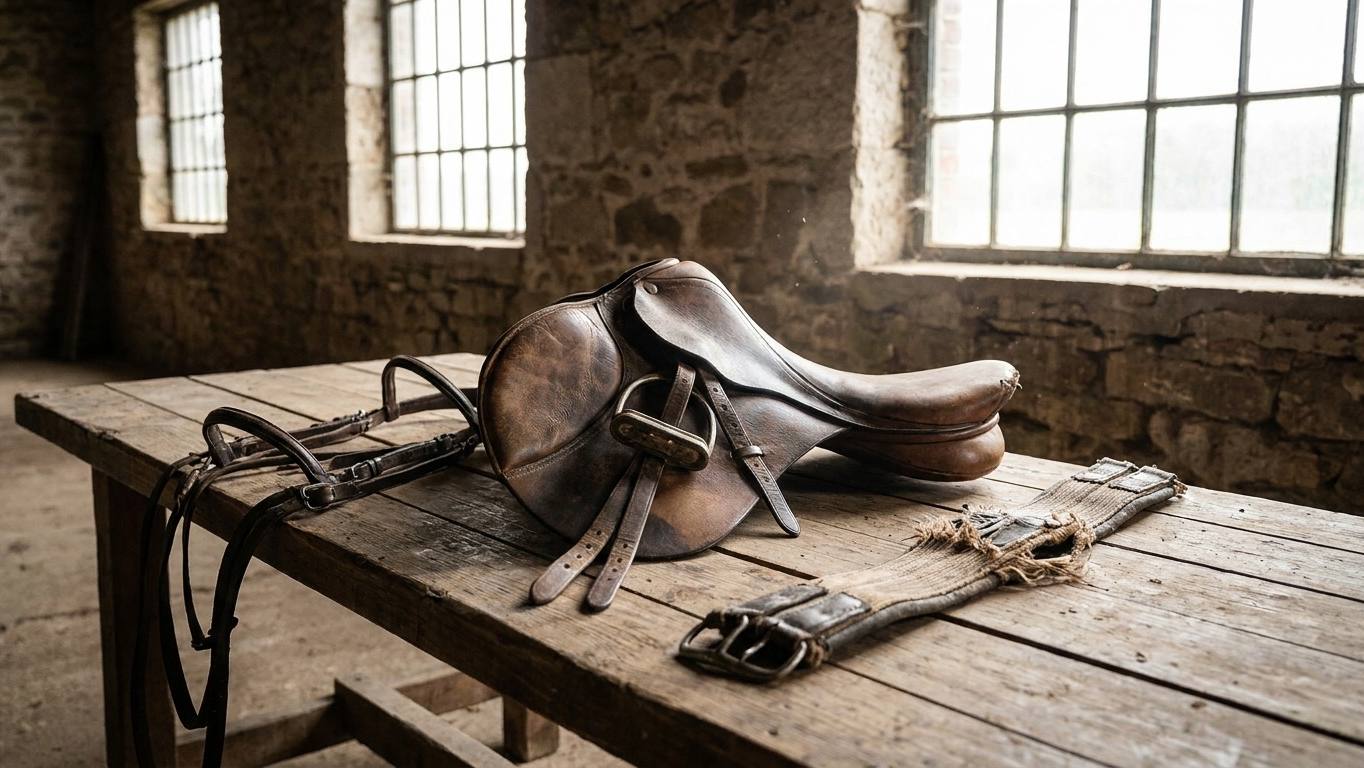
A low-priced listing can become expensive if the item needs repair, does not fit the horse or cannot be tried. Compare used equipment by its intended use and condition, then calculate the cost of putting it into service.
Build a record of the item
Ask for the maker, model, size, purchase date if known, and any alterations. Overall photographs help identify it; close-ups of heavily used areas help prepare an inspection. Photographs alone cannot establish condition.
| Question | Useful answer |
|---|---|
| What is included? | An exact list of components and accessories. |
| Why is it being sold? | An explanation to compare with its history. |
| Has it been involved in a fall, repaired or altered? | Known events and available records. |
| Can someone inspect it? | Agreed location, timing and arrangements. |
| Can it be tried? | Written conditions before committing to the purchase. |
Keep unknown information marked as unknown. “Like new” is not a substitute for a history.
For a saddle, separate condition from fit
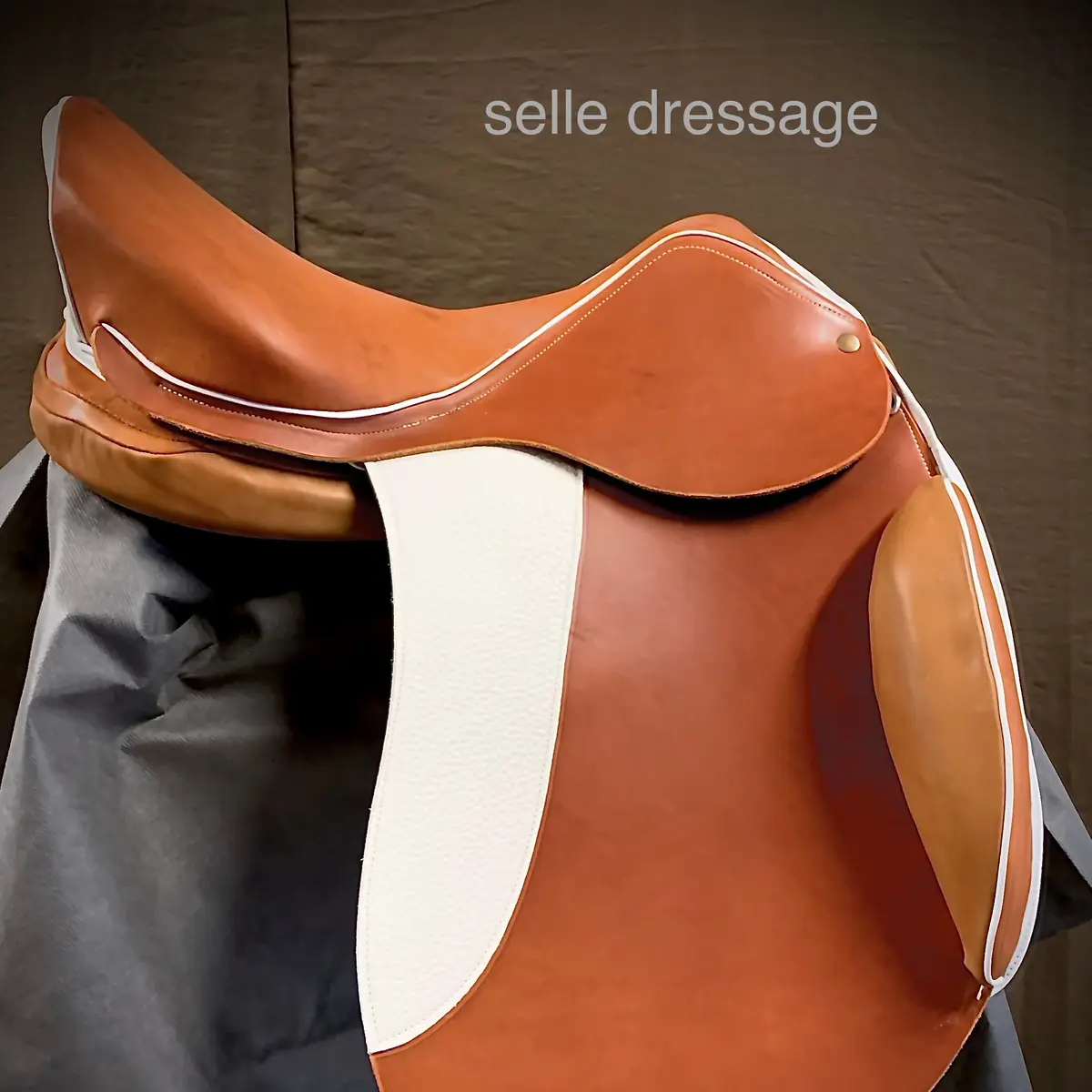
A saddle can be in good condition and still be unsuitable for horse and rider. Arrange competent inspection of its structure, stitching and attachments, followed by a fit assessment. The seat measurement in inches does not, on its own, identify the horse’s back it will suit.
Our saddle-fit guide helps prepare for that assessment. Obtain a quotation for proposed repairs before comparing the used price with another option.
Assess protective equipment separately
A helmet or body protector needs checks specific to its function. Its appearance cannot establish everything it has experienced. Where the history is missing, consult the maker’s instructions and a competent retailer rather than assuming it is sound. Our helmet and body-protector guides explain what information to gather.
For an airbag, identify the exact model, its components and the inspection procedure after deployment. Having a cartridge installed does not validate the entire system.
Understand a consignment arrangement
Ask who is selling the item, who has inspected it and what that inspection covered. If consigning your own equipment, clarify the agreed price, commission, selling period, payment method and return of unsold goods. Do not assume the proceeds must be paid as store credit.
Before agreeing, add purchase price, transport, inspection, cleaning and repairs. Keep the correspondence, description and proof of payment. A worthwhile used item is identifiable, suitable and has understood limitations.
From the workshops
Pieces related to this guide
Also worth reading