Equine osteopath: what exactly is it?
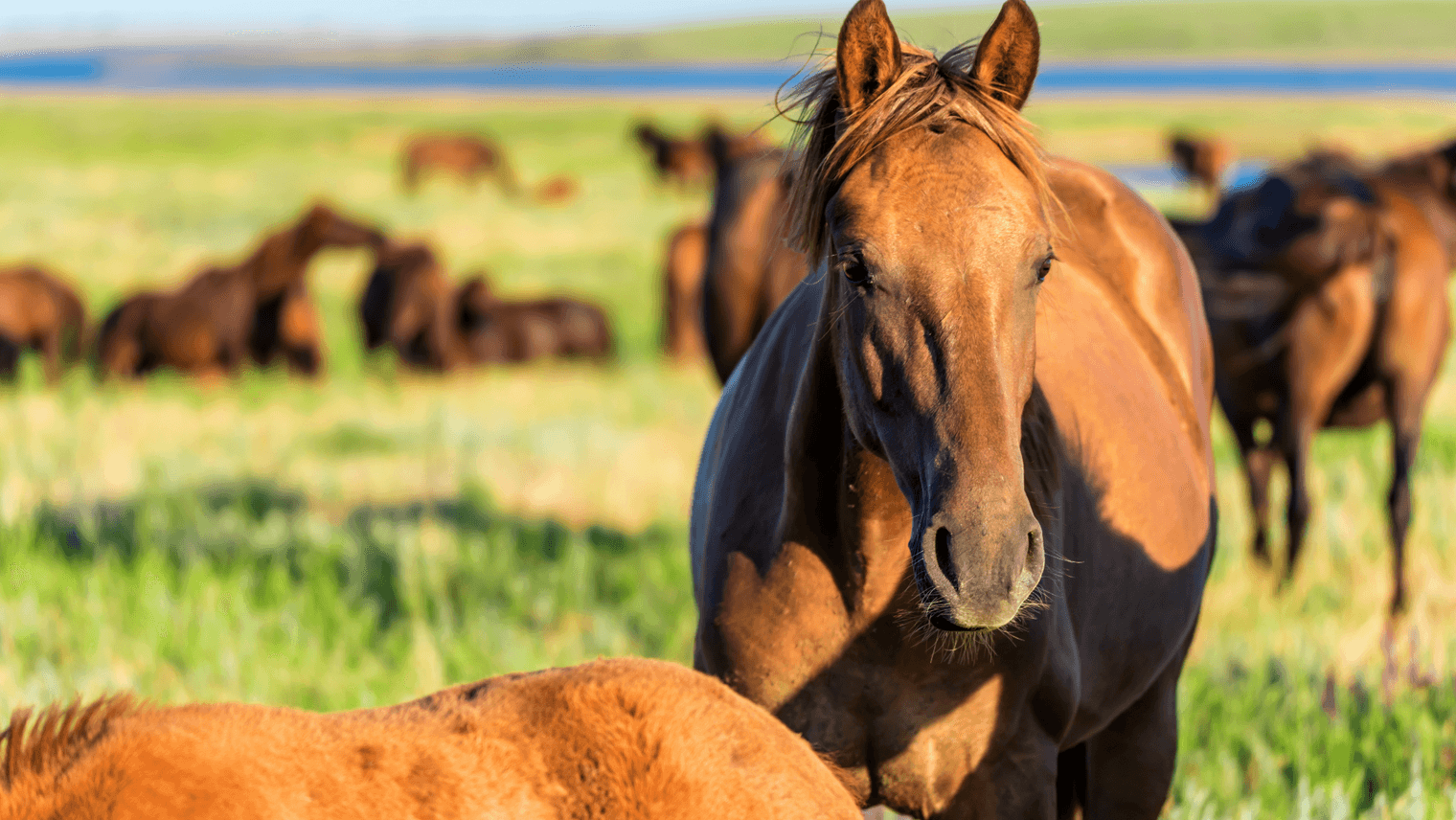
To keep a horse well looked after and thriving, riders call on a range of specialists so that any problem can be spotted quickly and dealt with. The equine osteopath is currently one of the specialists most in demand among people who keep horses. But what does the job actually involve?
What are the principles of equine osteopathy?
As with osteopathy for humans, the equine osteopath is a practitioner who listens to the tissues under their hands. Of course, the consultation itself is somewhat different.
Here, the case history begins with a conversation with the horse's owner. The equine osteopath gathers as much information as possible in order to point the therapist towards a line of treatment. They therefore need to know the horse's medical history and to learn more about its current treatment.
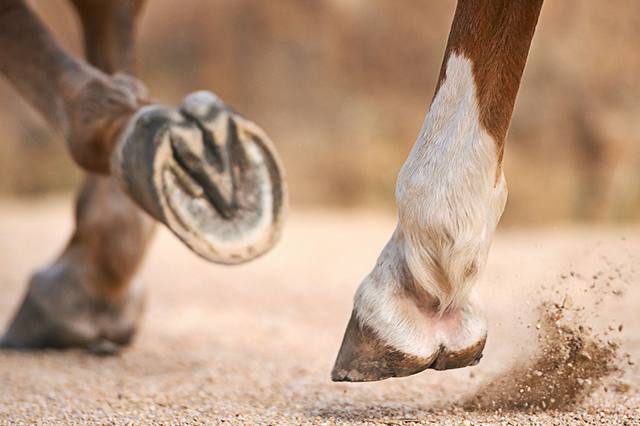
The practitioner must first rule out any conditions that fall outside their field, in cases where the animal has not been seen by a vet beforehand. It is worth noting that the equine osteopath and the vet work hand in hand. The same goes for the farrier.
The conditions an equine osteopath does not treat are generally similar to those excluded in human practice. These include fractures, neurological problems, inflammation in the acute phase and degenerative diseases.
That said, once these contraindications have been ruled out, the equine osteopath can make contact with the horse in a calm, gentle way so as not to frighten an animal that may already be under stress.
As in human osteopathy, the manipulations used are painless and are carried out naturally, without any roughness. And just like a human osteopath, the equine osteopath works on the joints, the soft tissues, the fluids and the horse's primary respiratory mechanism. You can even ask the equine osteopath for advice on the accessories you are thinking of buying for your horse on La Sellerie Française. They will help you make the best choices.
When should you call in an equine osteopath?
Unlike humans, animals cannot express their pain in a way we can readily understand. Owners, however, are usually close enough to their animals to pick up on problems as they arise. Even so, you need to be careful not to mistake genuine pain for stubbornness.
As a rider, it is important to pay attention to changes in behaviour, aggression or a lack of obedience. More broadly, the equine osteopath can be called in for many different situations. If, for example, the horse struggles to bend, to round over the leg or to lower its hindquarters, an equine osteopath will be needed.
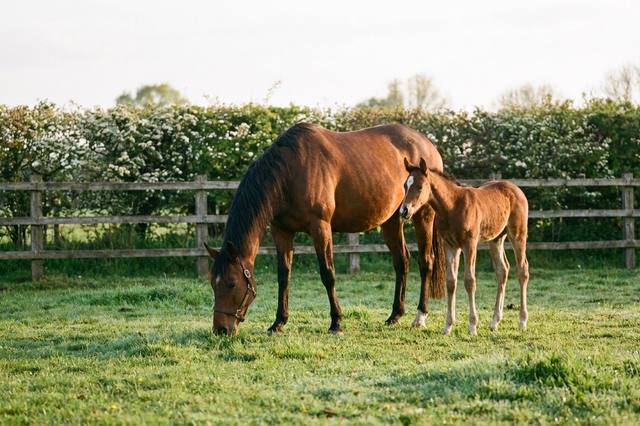
If you are having trouble saddling or shoeing the horse, if you notice it refusing the bit, or a lack of coordination with a tendency to stumble, or if your horse has difficulty with transitions, an equine osteopath will be needed. A check-up is also recommended after a difficult foaling, for both the foal and the mare, or following a fall or an injury.
From the workshops
Pieces related to this guide


Also worth reading