Para-equestrian at the Paris 2024 Games
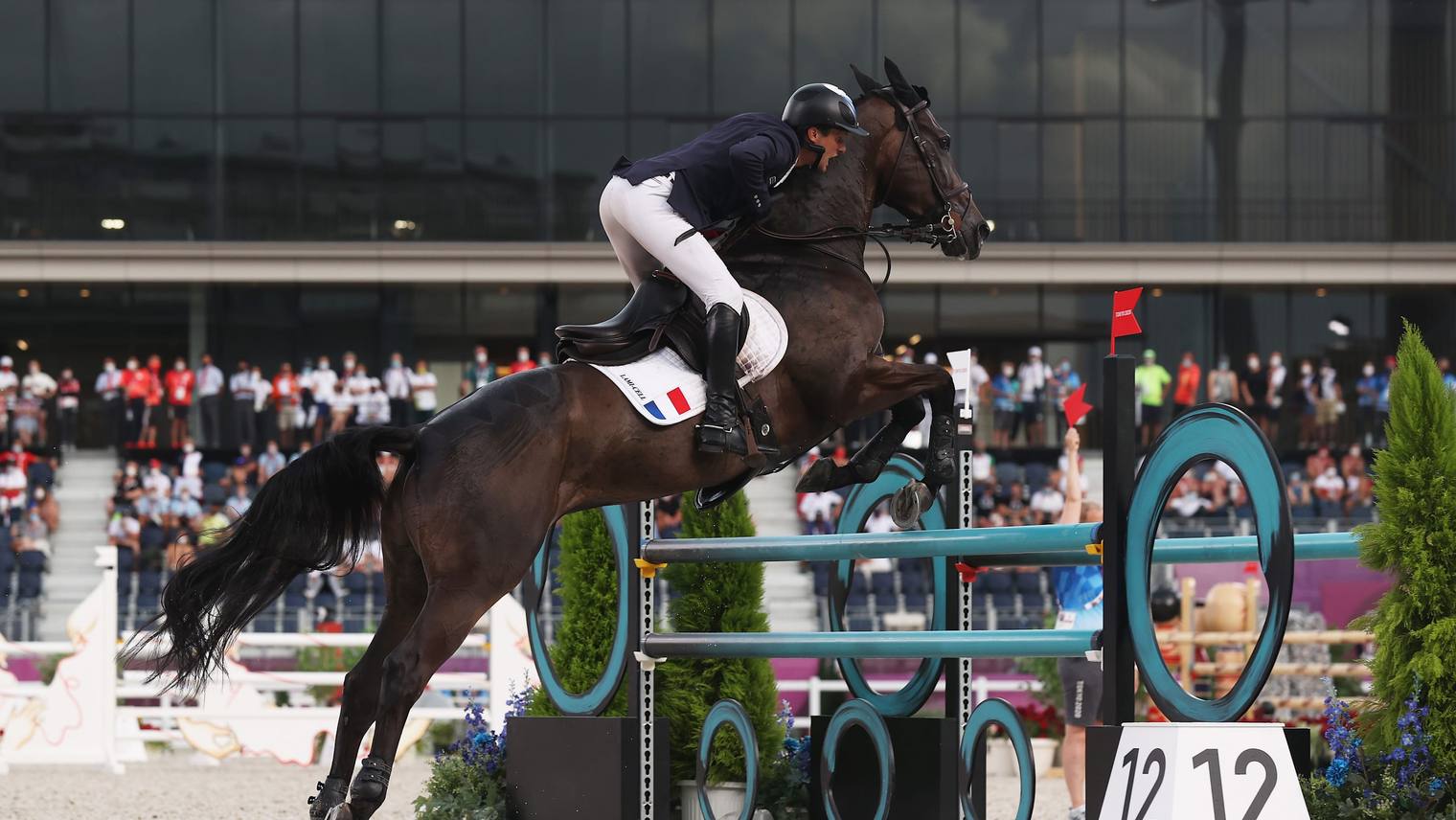
The Paris 2024 Paralympic Games hosted para-equestrian in the grounds of the Château de Versailles, just as the Olympic events had been held there a few weeks earlier. Riders in this category competed for medals over several days; what these Games showed of para-dressage still holds true for understanding the discipline.
The classes
Para-dressage is the only equestrian discipline on the Paralympic programme. It allows riders with a disability to compete at the highest level and to come away with medals like every other athlete at the Games.
To take the title on offer, a rider can enter one of three different types of class. To begin with, they must take part in the individual grand prix, which lets them show the various movements they can perform with their horse. The organisers already have a precise timetable and a set test for the rider and their mount. It is by going "clear" that you can score the most points and so become the leader of your category.
The next class is the team grand prix to music. At this level, to a piece of music chosen by the organisers, the rider performs movements that are known in advance. They must carry out exactly what is set down as movements. It therefore means preparing properly so as to be in the right frame of mind on competition day. -
Finally, the individual grand prix is the part reserved for the elite, for the best riders in the competition. To reach it, you have to know how to win in all the other categories. You then need to prepare fine movements to music of your own choosing. The judges concentrate on the performance to pick out the faults and the successes. Those faults include the tack your horse is wearing. You will find some on La Sellerie Française. If all goes well, you will get a good score and win the medal.
Who can take part
Para-dressage is a competition open, at this edition of the Games, to disabled athletes in general. However, there are specific requirements for taking part. Riders with orthopaedic impairments, paraplegia, tetraplegia and hemiplegia are expected to compete. They have the chance to take part in a section reserved for their impairment. For reasons of fairness, mixing is not allowed.
Beyond this category of rider, people with a progressive or congenital neurological impairment are also encouraged to come forward for the Games. There is also a section open to visually impaired riders. It is on the basis of a final classification by grade that each competitor can progress to the point of winning medals. The standard grades from 1 to 5 apply both to the individual grand prix and to the individual freestyle grand prix, with the open team grand prix in between.
From the workshops
Pieces related to this guide
Also worth reading