First aid for wounds
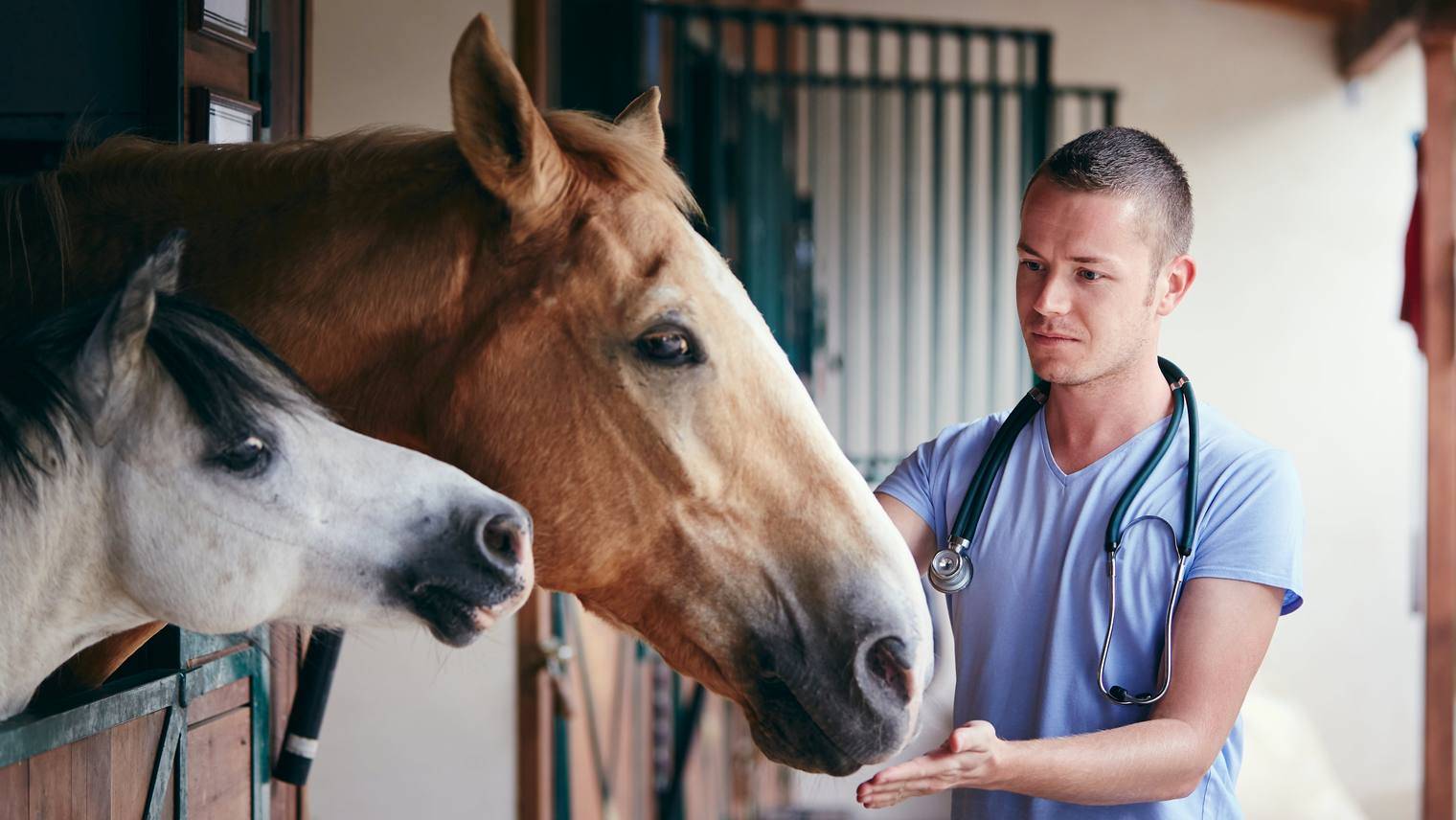
Owning a horse has always been one of your finest dreams. Now that you have one, you're afraid of taking any risks with him, even the smallest ones, such as taking him out for a hack in the woods. The reason is simple: you're worried he'll injure himself on something sharp. Yet having a horse also means sharing plenty of adventures with him and becoming a thoroughly competent rider. So it's better to know the first aid you should give your horse so that he stays well. In this article, we take stock.
First aid for wounds
Clean the wound carefully
If the wound is heavily contaminated with mud, for example, rinse it with a low-pressure hose. Moderately contaminated wounds should be cleaned with a very dilute antiseptic solution. Lightly contaminated wounds, meanwhile, are better simply rinsed with sterile saline. Clip away all the hair around the wound, taking care that it doesn't stick to the wound itself. Rinse again at low pressure.
Check whether the wound is near a joint or a tendon sheath
Wounds involving these structures can turn disastrous if the infection isn't treated within 24 hours, so if you have the slightest doubt, call your vet. A pale yellow fluid seeping from a wound close to a joint may well be joint fluid.
With this in mind, assess whether the wound needs to be examined by a vet — for instance in the case of heavy bleeding, a wound requiring stitches, a penetrating wound, or marked lameness.
Apply a sterile non-adherent dressing to the wound
Next, add a layer of cotton wool gauze, then secure it with an elastic bandage. It's important to always check that there is enough padding under the elastic bandage, and that you can easily slide a finger underneath it. Adhesive dressings can be useful for protecting a wound that can't be bandaged.
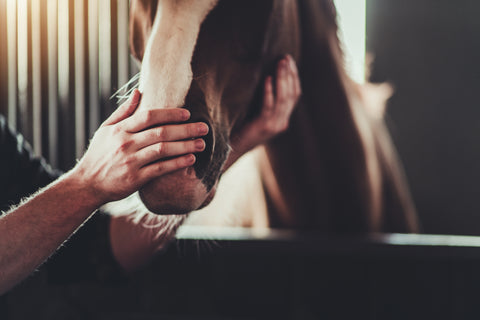 Wound healing
Wounds can heal by first or second intention.
First intention
First intention means that the edges of the wound have been sutured (stitched) or stapled together. This is only possible with a clean, recent wound located in an area where suturing is feasible. The end result is usually cosmetic, and healing is often quicker.
Second intention
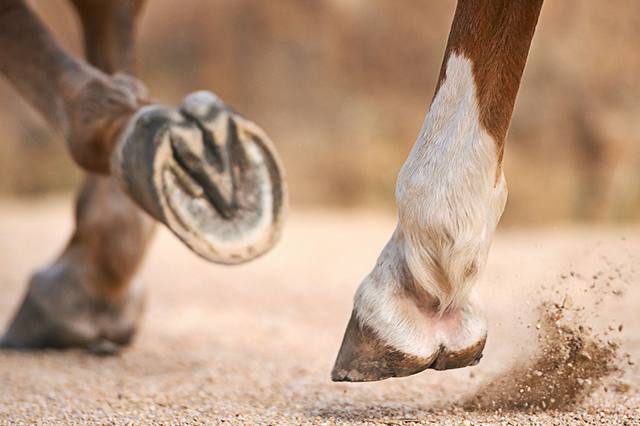
Second intention means the wound heals without sutures or staples, instead forming granulation tissue over which the skin can gradually advance to close the wound little by little. Granulation tissue is pink, bleeds easily, and produces a film of yellowish fluid. These wounds generally take longer to heal and are liable to produce proud flesh — an exuberant, overgrown scar caused by excess granulation tissue. Unfortunately, in horses, most wounds on the lower limbs have to heal by second intention because the skin there lacks elasticity, making it difficult to bring the wound edges together for suturing. To prevent your horse from injuring himself, it's important to get him some protective equipment. You'll find some at https://laselleriefrancaise.com/en-world/collections/protections.
From the workshops
Pieces related to this guide
Also worth reading