Everything you need to know about the horse's artificial paces
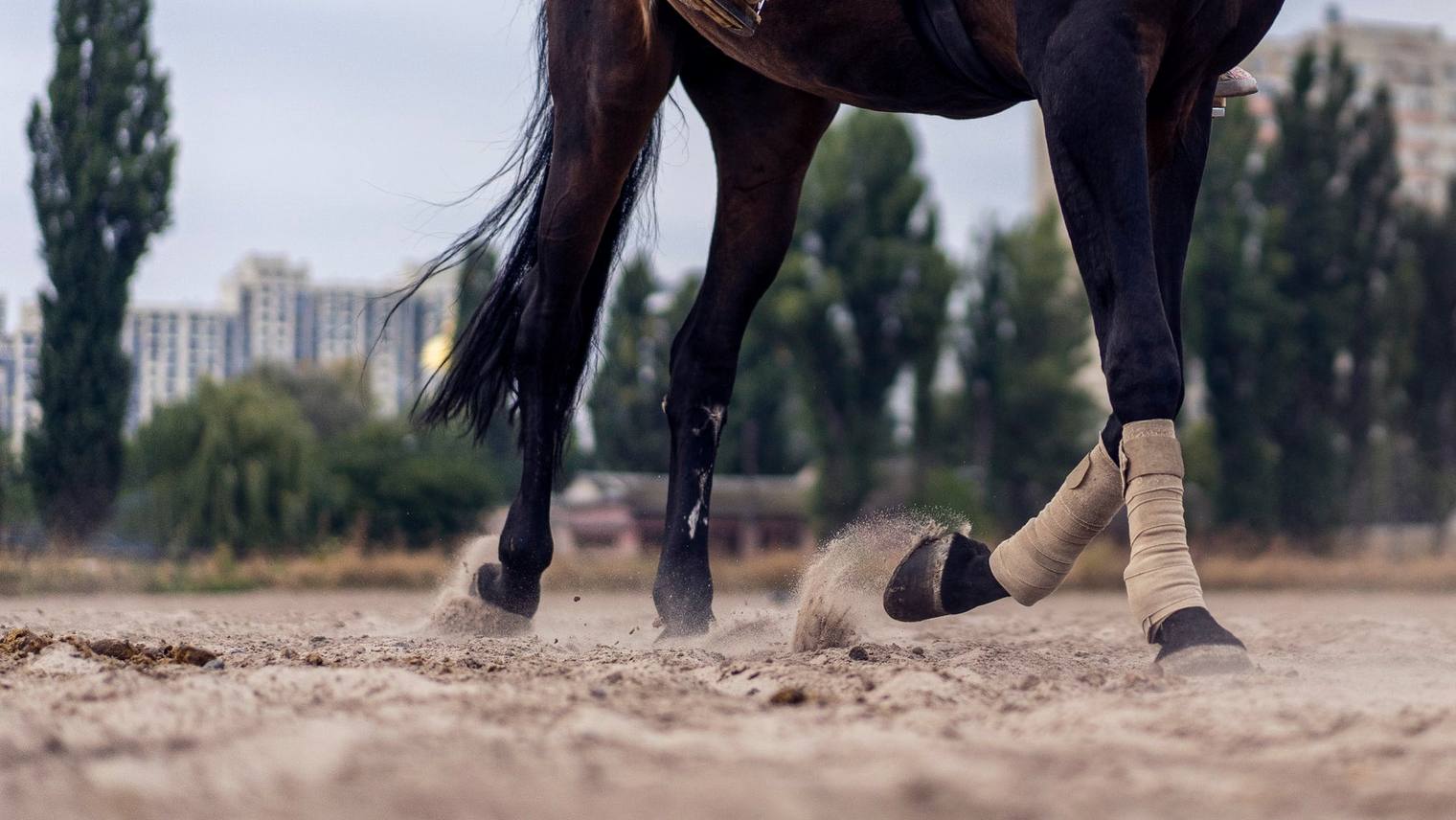
A horse's artificial paces are ways of moving forward, or simply of moving, that horses acquire through schooling sessions with professionals. If you want to know them all so you can decide which one to take up, the following information is for you.
The Spanish walk
If you are looking for a display pace that combines the horse's majesty with a unique elegance, simply take up the Spanish walk for a horse that looks perfect, just like on La Sellerie Française . This is an artificial pace found mostly in professional display circles. For the horse, the pace consists of walking forward normally behind. At the same time, the forelegs are stretched out in front, each in turn, in an aesthetic movement. As he moves forward, the horse gives the impression of testing the ground before setting down the raised foreleg.
The passage
For sensible horses, the passage is an easy pace to learn in a few exercises. It consists of moving forward at trot but with more emphasis on the forward projection of the movement . The horse then collects the trot quickly, lifts it a little higher and gains more time for the projection.
For such a pace over the long term, the horse must train accordingly, since he has to be consistently supple and in full physical condition to sustain it. The work must also be carried out from start to finish by a professional who has mastery of the horse's canter and who helps him understand the instructions the first time. Beyond that, it is the horse's instinctive ability and knowledge that will make the pace excellent or mediocre.
The piaffe
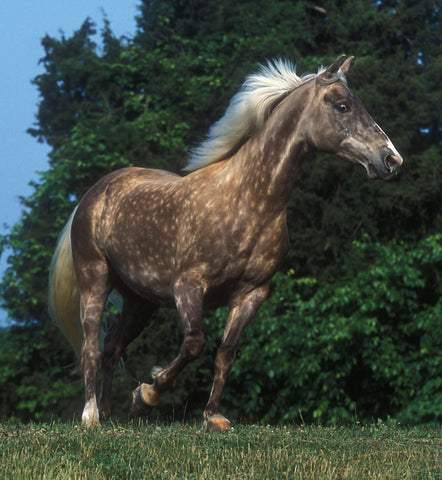
The piaffe is performed on the spot. It is a dressage pace specific to the riding professional who specialises in dressage. Through this movement, he holds his horse, controls him and has him work on the spot. The movement is in fact a trot on the spot in which the horse lifts the foreleg and hind leg concerned properly while staying in place. At worst he moves slightly sideways with each movement. It is all a question of suppleness and an optimised level of schooling.
The tölt and the amble
These are paces specific to certain breeds of horse. They are largely Icelandic horses and some American breeds. The amble and the tölt come from changes in certain genes in the animal . For the tölt in particular, it can also be acquired through schooling. The amble, for its part, is so highly prized that there are pacing races all over the world. It is also considered a very fast pace, capable of covering ground in record time.
The airs above the ground
For a rider specialising in dressage, the most renowned movements are the best. They consist of performing movements with all four hooves in the air, without moving from the spot. The capriole, the kick, the courbette, the croupade, the rear and the ballotade are the most fashionable in the great riding academies. To perform them, experience counts.
From the workshops
Pieces related to this guide
Also worth reading