Equine vet: what does the job involve?
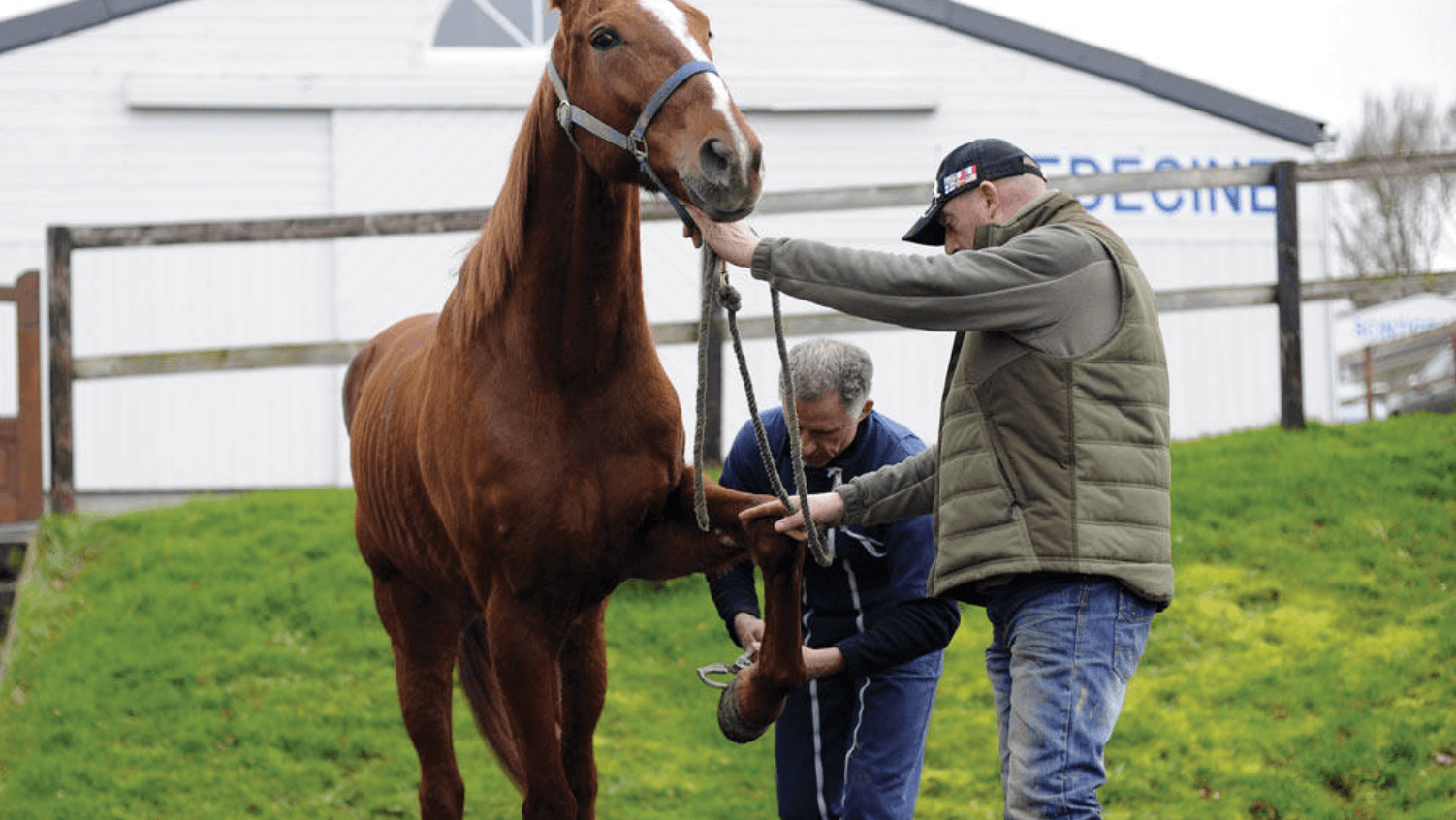
Have you ever heard that horses share a special bond with people? It's plain to see. For many years now, humans have used this animal for all sorts of activities. But if horses are to stay in excellent health, they need looking after. And they deserve it. That is why there are vets whose job it is to spot the ailments a horse may be suffering from and to treat them. So what exactly is an equine vet?
What is an equine vet?
A vet is a doctor. They treat the ailments animals may suffer from. They are therefore a professional practising animal medicine. They can carry out animal surgery, diagnosis, treatment and even disease prevention. In short, this is someone able to interpret what animals are telling us.
Although animals are generally not docile, are often uncooperative, follow no rules and respect no one, the vet's job is to handle them with all the gentleness required. This animal health professional must be able to treat the animal without hurting it and to work with animal behaviour too. That is why it can even be very useful to ask your vet for advice when choosing your horse's equipment on La Sellerie Française.
As for the word "equine", it simply specifies the role. An equine vet is therefore a professional who deals exclusively with treating horses, mules and other animals such as donkeys, which belong to the equid family.
As a specialist in equids, the equine vet has a thorough command of their field. They sense and understand the animal's pain and aim to restore its health. It should be said that in this role, the equine vet generally works standing up. This is a job that does not necessarily involve sitting in an office.
When should you call in an equine vet for your horse?
As soon as you decide you want to own a horse, it is advisable to go through an equine vet straight away. This professional will step in at the point of purchase to give you a reliable assessment of the horse's health. Depending on what you intend to use the horse for, they will even tell you whether it is suited or unsuited to a particular type of activity.
Calling a vet at this stage will limit the risks you would face had no check been carried out beforehand. Despite this initial advice, you have no guarantee that all will be well for your horse afterwards or that it will not be exposed to risks. Ongoing care is therefore important, since a horse can come down with a serious illness even two weeks after being bought.
Depending on your horse's condition and how it responds to treatment, the vet will be able to set out the ideal frequency of check-ups. This veterinary follow-up will involve taking blood samples, running tests and giving the animal its vaccinations and worming treatments.
From the workshops
Pieces related to this guide
Also worth reading