Developing your riding seat: work on balance with clear reference points
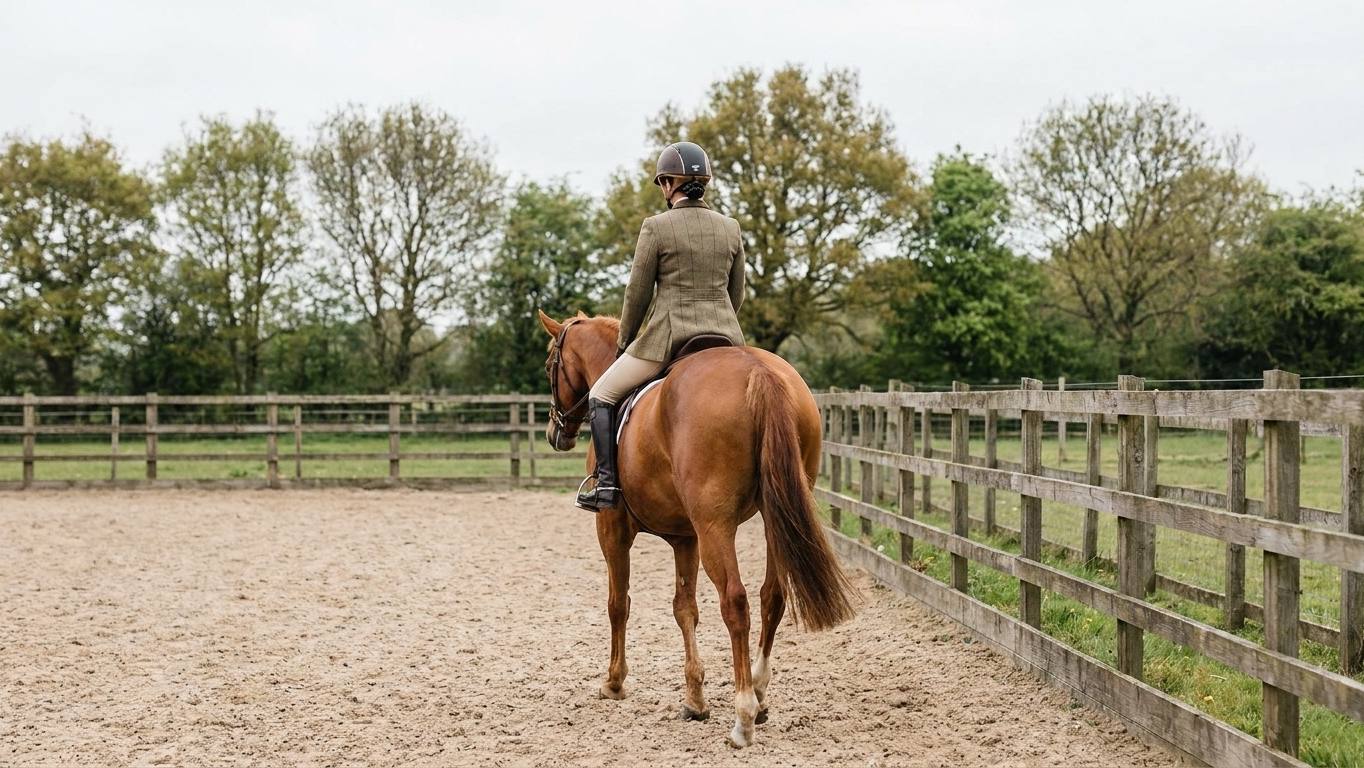
A good seat does not mean remaining still on a moving horse. It means maintaining balance that lets you follow the movement and use your aids without losing organisation. It develops gradually through situations suited to horse and rider.
Understand the aim
The French equestrian institute IFCE describes the seat as both a balance quality and a natural aid. Individual differences matter: copying a photograph of a position is not enough to establish effective movement.
Ask your instructor to describe one observable issue: using a hand for support, drawing a leg up or finding a gait difficult to follow. That description helps select an exercise and assess its effect.
Check the session’s conditions
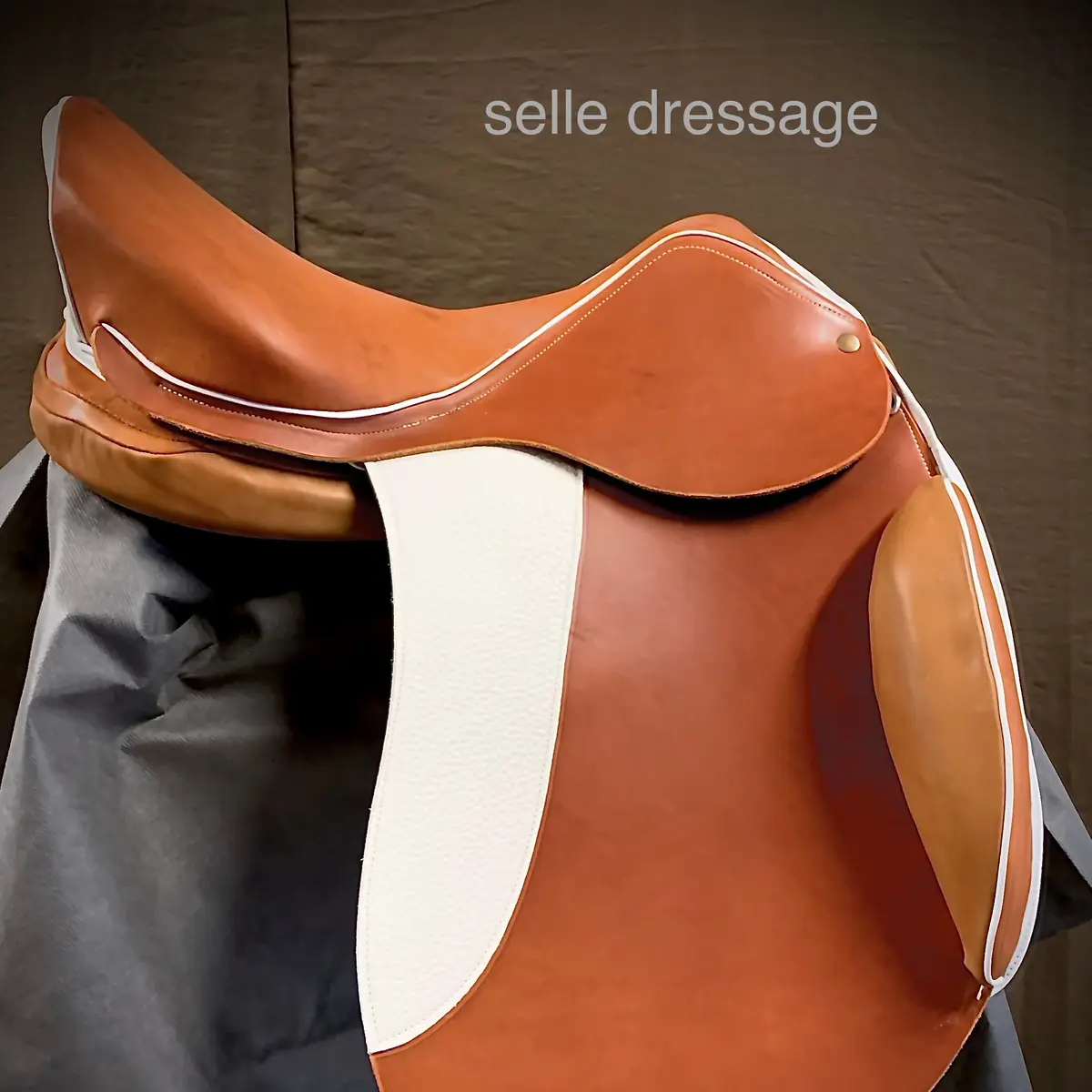
Explain your experience, worries and any pain or discomfort. Have equipment adjustments and fit checked. A saddle unsuitable for the rider may complicate the task; its price or brand does not establish suitability. Our saddle-assessment guide helps prepare that discussion.
Your instructor then chooses the gait, duration and arrangements. Seat lessons can take different forms. Removing stirrups or reins is not an extra step to add independently in pursuit of a more effective session.
Recognise useful progress
After an attempt, compare your sensations with the chosen indicator. Could you breathe without bracing? Did your hand remain available? Was the movement easier to repeat? Ask the instructor to confirm observations rather than judging success by tiredness alone.
Where filming is permitted, review a short passage together. Focus on a specific change and ask what to keep or alter next time. Video supplements your sensations without explaining every difficulty by itself.
Keep progression manageable
Record the exercise, the instruction that helped and when quality began to decline. That information supports adjustments to the next lesson. Persistent discomfort needs assessment, not an instruction to grip harder or tolerate pain.
A better seat supports riding skills; it does not guarantee that you will never fall. Aim for balance that is more available and repeatable in situations your instructor considers appropriate.
From the workshops
Pieces related to this guide
Also worth reading