Choosing the right bit for your horse

As a rider, it's essential that you feel at ease on your mount. You also need to give your horse confidence, because a horse remains a fairly sensitive animal.
If you want things to go well between you and your horse, you shouldn't behave aggressively towards him, especially when you're controlling or guiding him. With this in mind, choosing a bit matters.
What different kinds of bit are there, and how do you go about choosing one? That's what we look at in this article.
The different types of bit
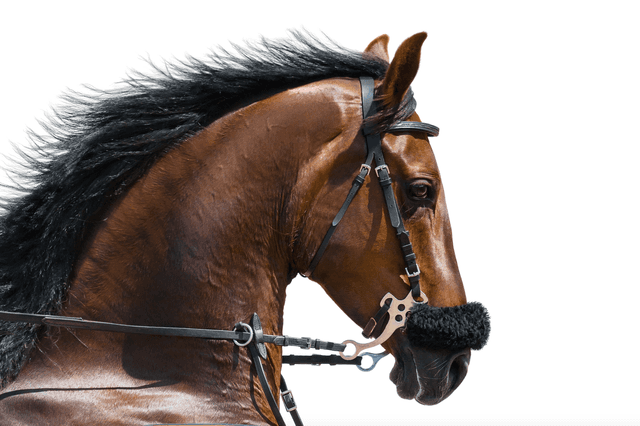
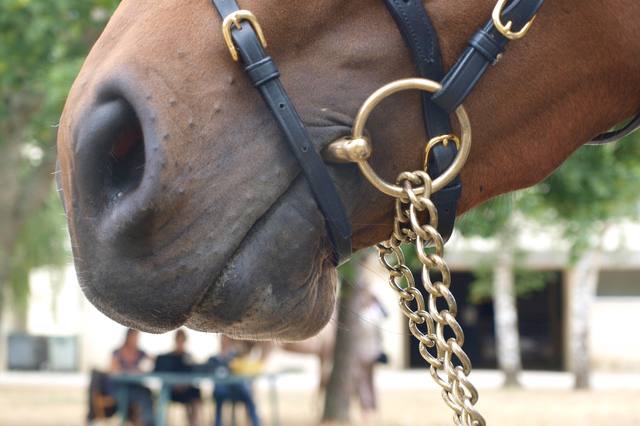
The bit is part of the tack. Generally speaking, it is made of metal. It is placed in the horse's mouth. Together with the snaffle bridle or double bridle, this piece of equipment allows you to control your horse's speed and to steer him.
The bit must be matched to the size of the horse and, above all, fitted correctly. When a bit is badly adjusted, it can cause injuries or serious pain.
Worse still, even when the bit is correctly positioned, any roughness on the rider's part can cause pain. That is why the reins must be handled with finesse and a good deal of suppleness.
As for the different types of bit found in riding, there are many of them, and choosing can be a complex business, especially for beginners. There is, for example, the soft bit, a double-jointed bit that will do the job for a simple trotter.
There is also the Baucher bit, which riders know to be ideal for dressage. It is used as a transitional piece of equipment between the two-ring snaffle and the curb bit of a double bridle. Then there is the Spanish bit, one of those that give precise, effective aids by acting on the tongue, the bars and the lower jaw.
After these comes the Tandem bit, which is genuinely ideal for horses with very sensitive mouths. It is a piece of equipment used with a single rein.
The Tango bit will be the ideal choice for horses that struggle to accept pressure in the mouth, or that dislike that pressure entirely. There are also straight bits, which act essentially on the tongue and the corners of the lips.
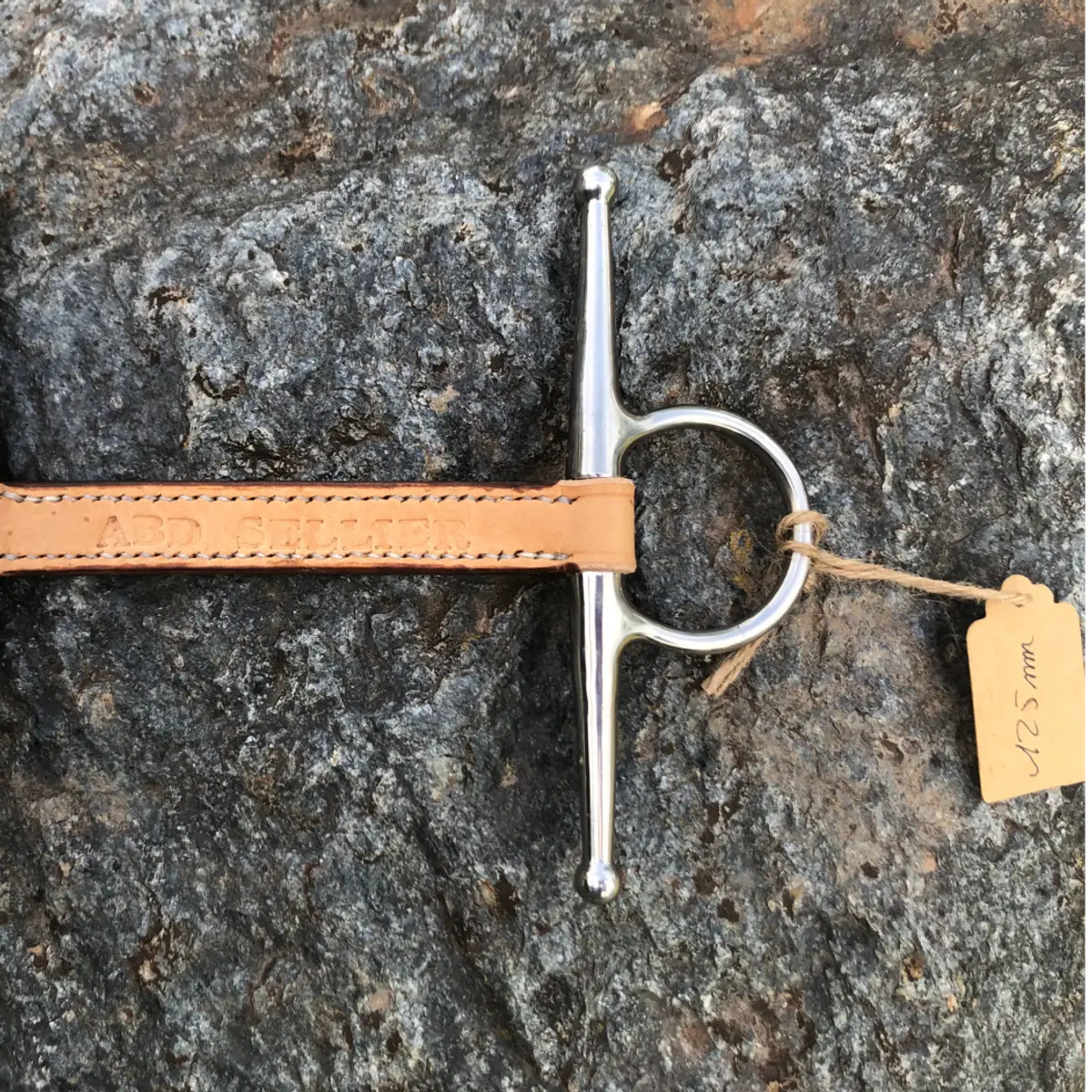
For young horses, the full-cheek bit will help to channel them. Whatever bit your horse needs, you'll find it at La Sellerie Française.
Which bit should you choose?
It's common to have several bits for the same horse. That said, the horse should not fear his bit. On the contrary, he should respect it. A bit that hurts the horse must be avoided altogether. If your horse tends to grind his teeth, it's worth going for a bit that encourages salivation and relaxation.
Also, before choosing a bit to compete in, make sure it is permitted at the level of competition in which you will be riding.
From the workshops
Pieces related to this guide
Also worth reading