Bits: which one should you choose for your horse?
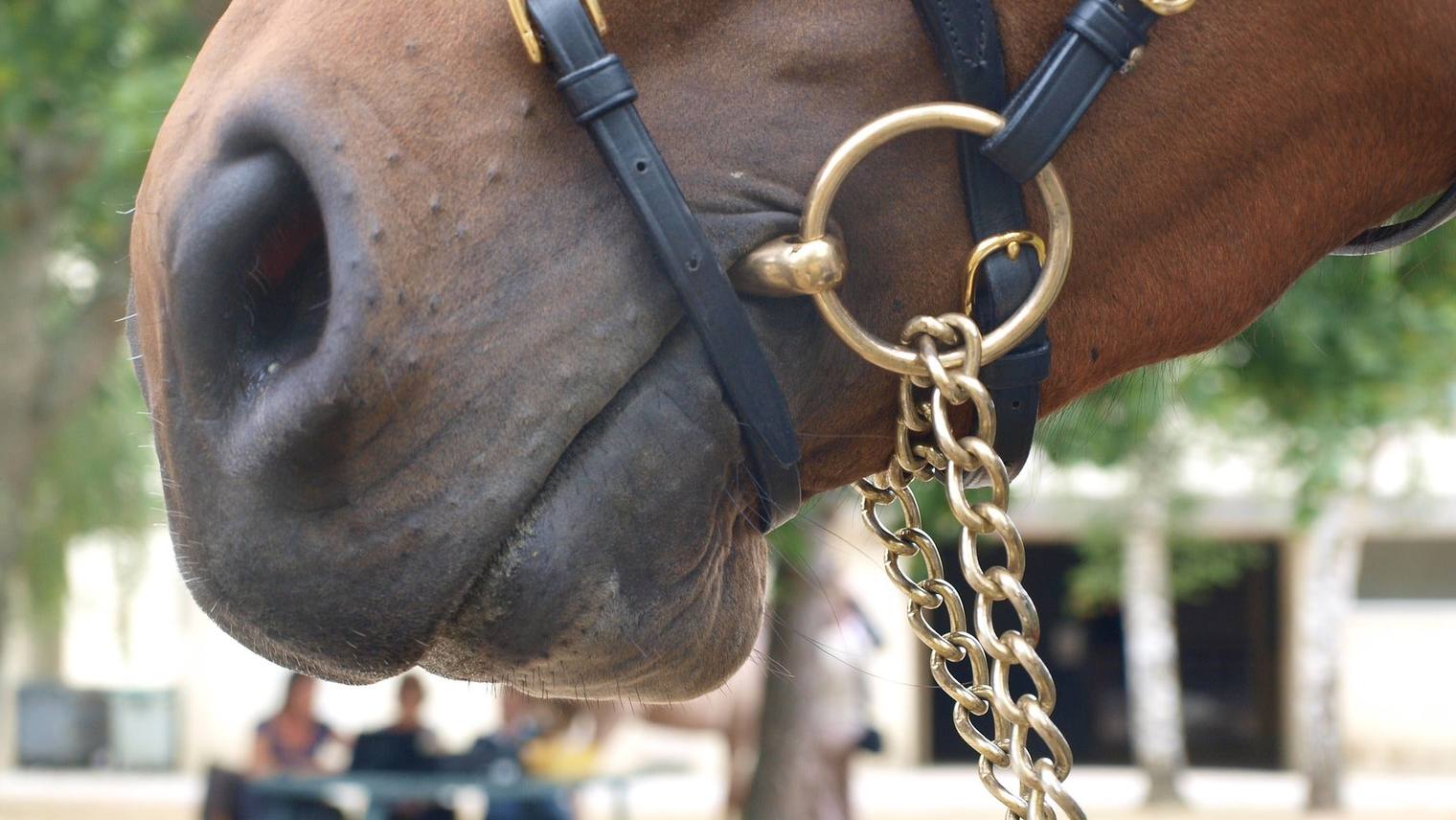
The bit is one of the essential pieces of tack that allow any rider to communicate with their horse. Paradoxically, since the horse's mouth is highly sensitive, you will need to choose the right bit for your horse and use it with tact. There are a great many different bits — so many that you could easily get lost when it comes to choosing. Which bit should you pick for your horse? That's what we look at in this article.
Choosing the right size of bit for your horse
When the bit is the correct size, it will protrude at least one centimetre on each side of the horse's mouth so that it doesn't pinch or rub the corners of the lips. As for the maximum, the bit should protrude by 1.5 cm so that it doesn't slide about in the horse's mouth. For a more precise fit, you can add bit guards to the bit.
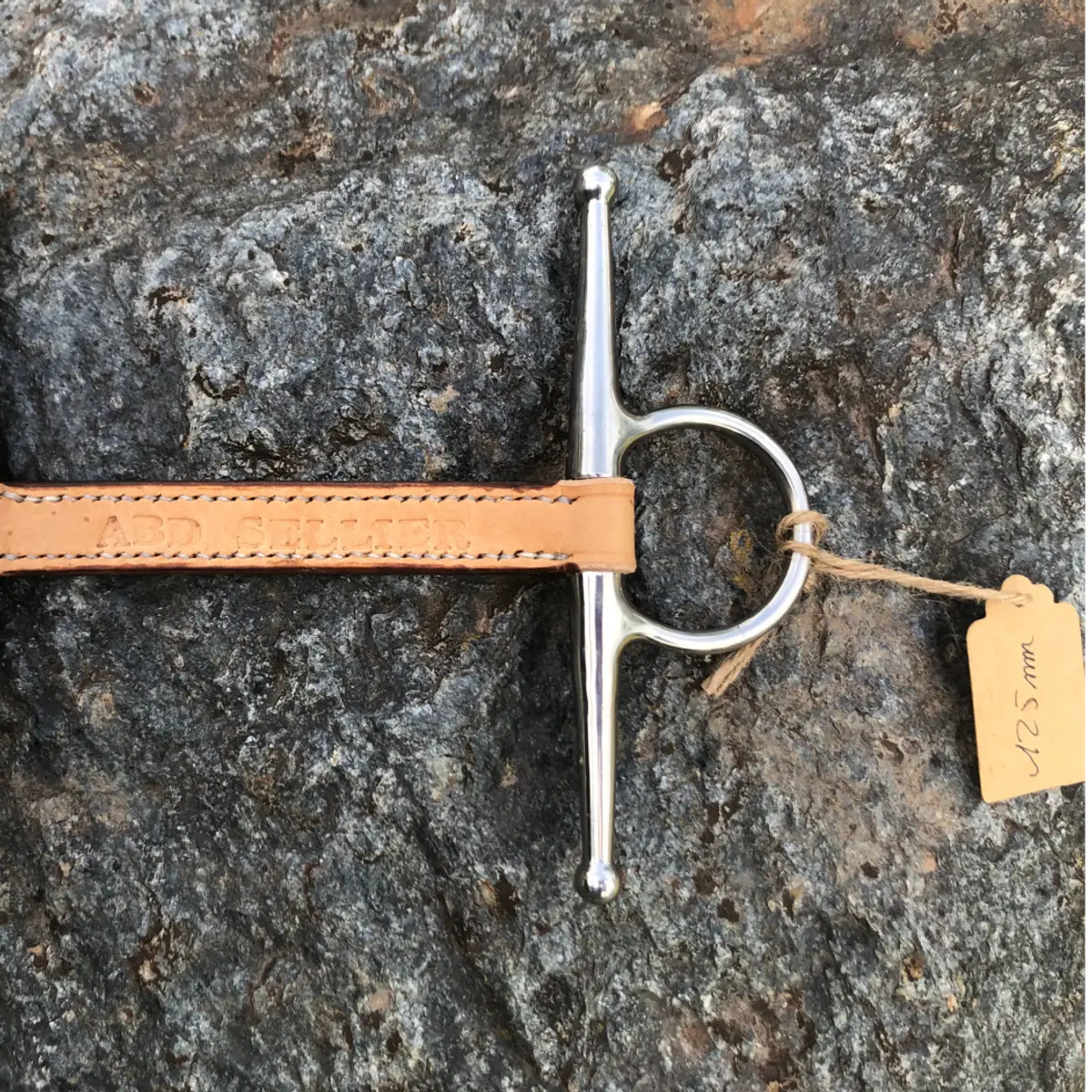
That said, as a general guide to the bit sizes suited to each type of horse: 105 mm bits are ideal for most B-size ponies and Shetlands. Then there are 115 mm bits, which suit C and D ponies as well as small horses perfectly. As for 125 mm bits, they suit standard-sized horses, and 135 mm bits large horses.
There are also 145 mm bits, intended for large horses or horses with big heads, and 155 mm bits and above, which are just right for draught horses. You'll find all these types of bit on La Sellerie Française at competitive prices.
Choosing the right bit for your horse
It's common to end up using several different bits on the same horse. Your horse should not be afraid of its bit. It should, however, respect it. As the bit is a fundamental means of communication, it's important that your aids are precise and smooth in order to achieve the best possible contact.
Trust in the hand is essential. The horse must be able to go forward into the bit and yield to it, combining engagement with lightness. The horse should not be held or made rigid by a bit that is too severe.
When choosing a bit, you'll need to strike a balance between trying out bits for your horse's comfort and expecting the bit to solve fundamental schooling problems. There are therefore a few key points to bear in mind when choosing your bit.
You should never choose a bit that injures the horse, even very slightly at the corners of the lips. That is to be avoided at all costs. Likewise, if your horse grinds its teeth, you should favour a bit that encourages salivation and relaxation. And before choosing a bit to compete in, it's important to check that it is permitted at the level of competition you wish to enter.
From the workshops
Pieces related to this guide
Also worth reading