How does moving to a new yard work?
Whether you're moving house, the yard no longer really suits your needs, or you simply no longer see eye to eye with the people running your livery, there are plenty of reasons why you might decide to move your horse to another yard. While some horses take the change entirely in their stride, others find the transition much harder. Here are a few tips for handling your horse's move to a new yard well.
Plan ahead
If you plan properly and prepare your horse's move carefully, the transition will go more smoothly for the horse and for you. That said, the very first thing to do when changing yards is to give notice to the manager of your current yard and find a new yard for your horse in order to reserve a place. Some yards will ask you for a financial or written commitment. At others, a simple verbal agreement will do.
Before giving notice at your old yard, it's also worth reading through the livery contract you signed when you arrived. You'll generally have a month's notice period to respect before any move. That said, the notice period can vary from one yard to another.
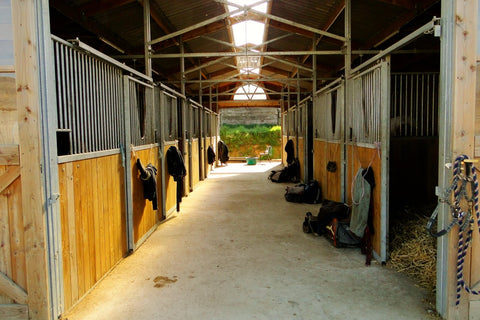
You'll also need to sort out your equestrian kit, because riders always have too much stuff in their locker. You'll have to think about what really matters and what doesn't. That way you can sell or throw out the kit you no longer use in favour of the gear you actually want. You'll find some great accessories at La Sellerie Française.
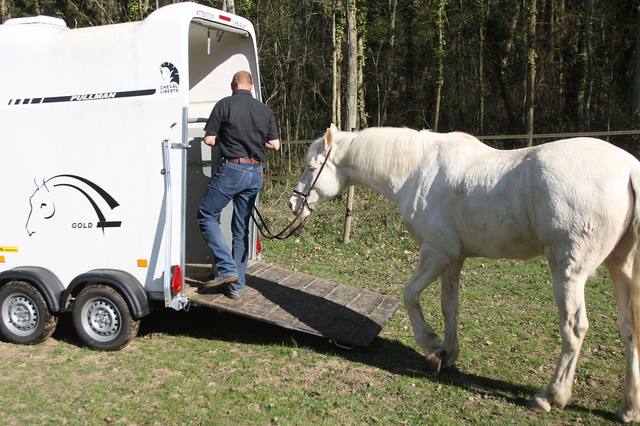
You'll also need to think about transporting your horse. Before moving him, it's a good idea to plan how you're going to do it. If you own a trailer or a lorry and your horse travels regularly, the answer is obvious. Otherwise, you'll need to look into a suitable means of transport.
Keep health records up to date
You should make sure your horse's health records are up to date. The owners of the new yard you've chosen will almost certainly ask you to worm your horse so that no parasites are passed on to the horses already there. Some will even ask newcomers to provide a health certificate issued by the vet, to be sure that the horses aren't carrying any contagious disease.
Most liveries will also want to check that the horse is vaccinated, at the very least against flu, rhino and tetanus. As well as the vaccinations and worming you'll need to arrange, you should make sure the horse's hind shoes are removed, especially if he's going to join a group of other horses.
On top of that, although some horses are used to travelling and changing environments, for others a change of yard can be a real source of stress. That's why a horse needs a fairly long settling-in period, and it's something you'll need to allow for.
From the workshops
Pieces related to this guide
Also worth reading