Riding with a visual impairment
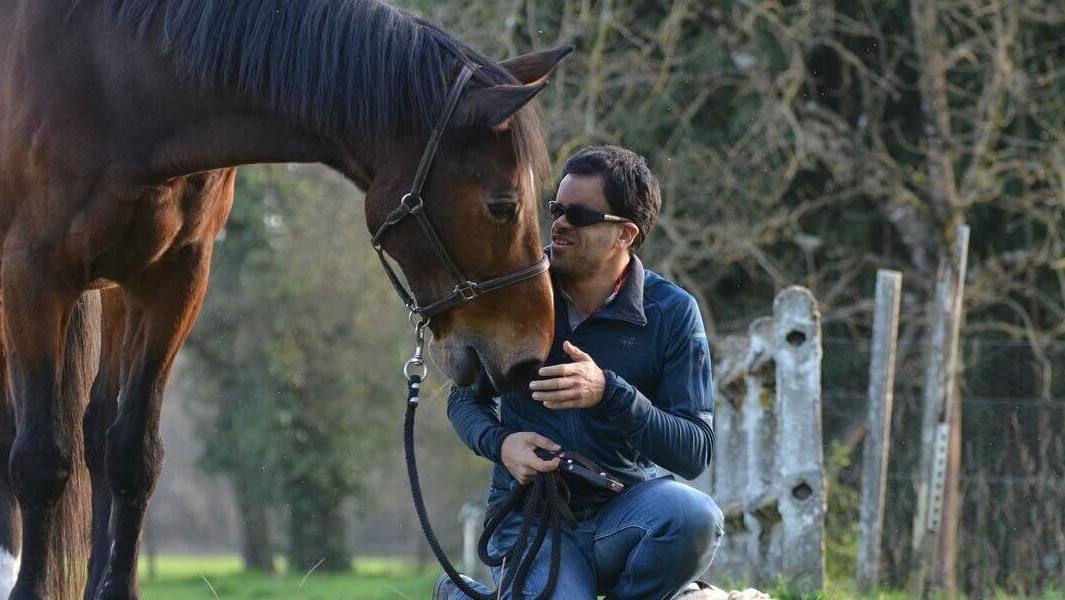
Originally practised only by people with a visual impairment, riding without sight is now something many riders take up even when they are not blind. This kind of riding relies on the horse's extraordinary instinct, which gives it a skill that even the most capable or gifted rider could never teach it. So what happens when you are a rider with impaired sight or no sight at all?
Trust and calm: the watchwords of riding between a horse and a visually impaired rider
Riding between a horse and a visually impaired rider follows a technique built on trust in the horse and on calm. It also calls for a strong bond between rider and horse, a high level of concentration from both, and a constant gathering of information if the exercise is to work. It is a form of riding that demands balance, education and a horse that has learned to take responsibility.
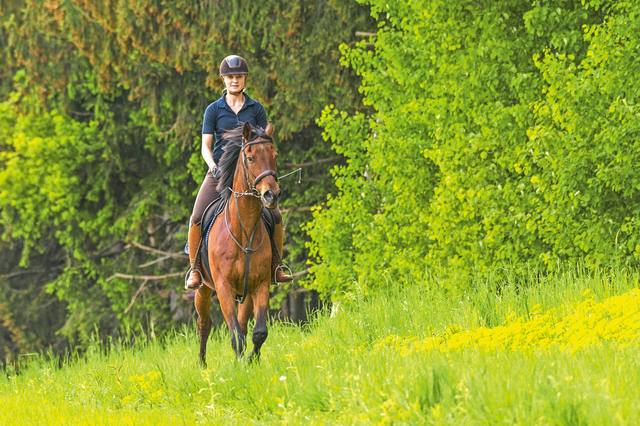
The first steps take place in an arena where the horse turns and jumps obstacles by itself, without the rider asking. The rider, for their part, has to concentrate, pick up the horse's signals and send messages back, all while staying in balance. The visually impaired rider must always be ready to adapt to the horse's movements. Here, the rider no longer imposes their will on the horse. Instead, it is the horse that initiates the rider's movement.
Riding between a horse and a visually impaired rider: building a genuine bond between human and animal
A rider's lack of sight is a real challenge. Far from being insurmountable, it turns out to be highly instructive as well as a genuine source of new pleasures. Without sight, the rider learns to listen to the horse. At the same time, they create the best possible conditions for the horse to choose for itself to produce the movements and follow the lines. It is a different kind of perception, one that gathers more information than a sighted rider can pick up.
Some riders who have been injured in riding accidents turn to this discipline in order to experience a different approach to the relationship between horse and rider. In doing so, they rediscover or acquire the sensations that lie at the very heart of riding. The blind rider no longer has to impose their authority on their mount. They work with it, and with respect for it.
Better still, riders who are blind can now take part in para-equestrian competitions such as disability sport events. Some even compete against able-bodied riders at official shows, thanks to a sound signal that allows them to locate and jump the obstacles. So even riders who have some difficulty seeing, or who are completely blind, have the chance to ride. Some riders even manage to buy kit for their horses with help from family and friends when they visit online shops such as La Sellerie Française.
From the workshops
Pieces related to this guide
Also worth reading