Hearing in horses
Like people, animals are also equipped with several senses. In some, all five senses are present. In others, that may not be the case. As the horse is one of the animals closest to humans, it generally uses all five senses in its daily life. In the horse, hearing is a very highly developed sense. In this article, find out everything you need to know about hearing in horses. Let's get started.
Hearing, the horse's most developed sense
Hearing is the horse's most developed sense. A horse can hear sounds made more than 4 kilometres away from where it is standing. Every sound has its own frequency, measured in hertz (Hz). The horse perceives sounds with frequencies ranging from 20 to 100,000 Hz, whereas humans cannot hear sounds above 20,000 Hz. The horse therefore picks up sounds that are inaudible to the human ear, and may consequently shy or bolt for reasons a person cannot understand. What's more, where a human "filters" what he hears (selective listening), the horse can listen to everything at once and hear sounds coming from different sources. The great mobility of its ears also allows it to listen to sounds coming from one direction with one ear and sounds from another direction with the other.
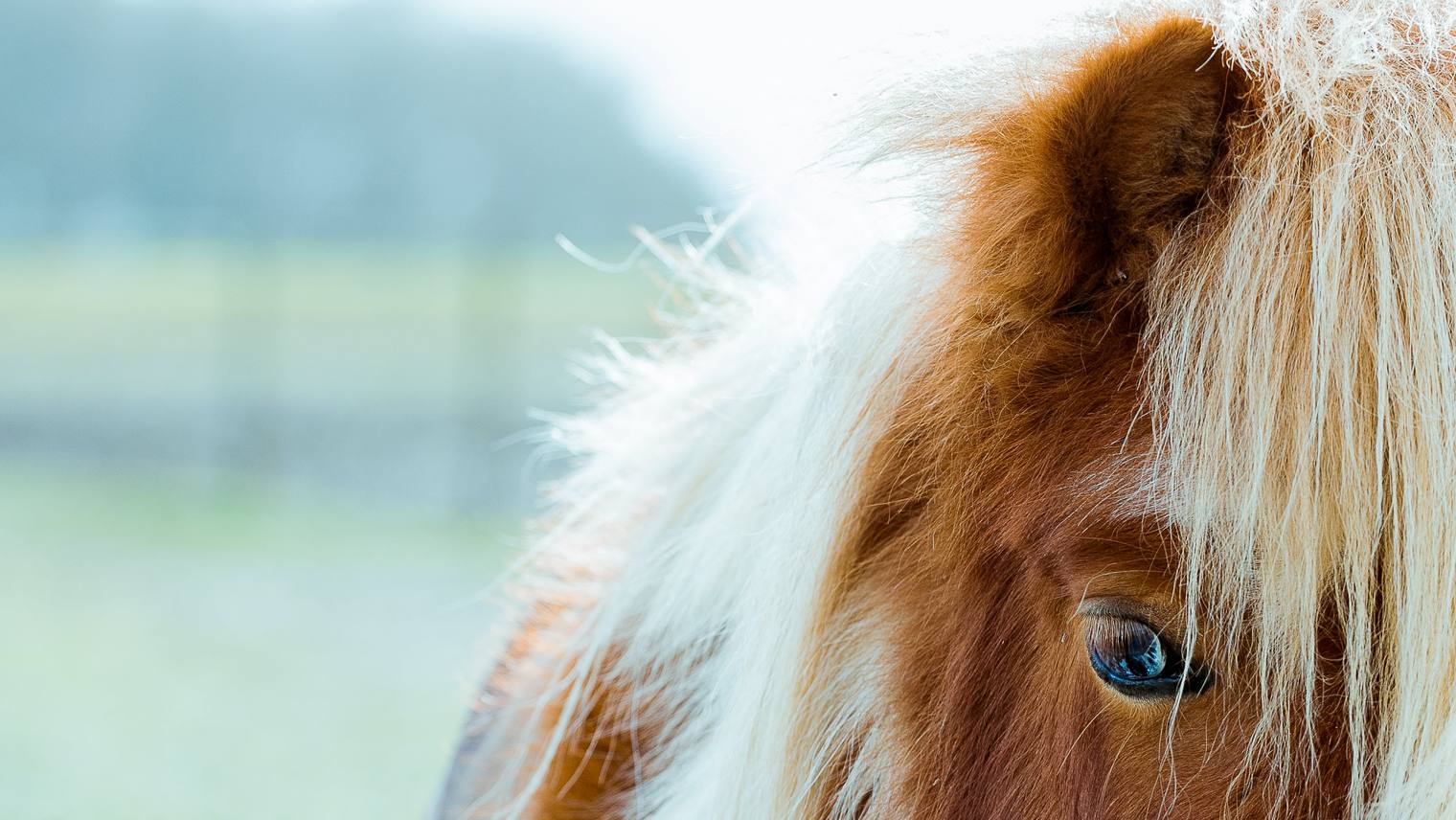
The ears are therefore essential organs for the horse, which will do everything it can to protect them. The best protective barrier is the layer of hair lining the entrance to the ears (figure 13); it shields them from bad weather, so these hairs should not be trimmed, especially if the horse goes out in the field. When being hosed down, the horse may throw its head sharply backwards to stop water getting into its ears. If the handler insists on wetting its head, the horse may panic and risk injuring the person. It is therefore advisable to use a sponge to clean the horse's head in order to avoid any confrontation. You will find such a sponge and other similar accessories at La Sellerie Française.
Talking to your horse: an important way of strengthening the bond between rider and horse
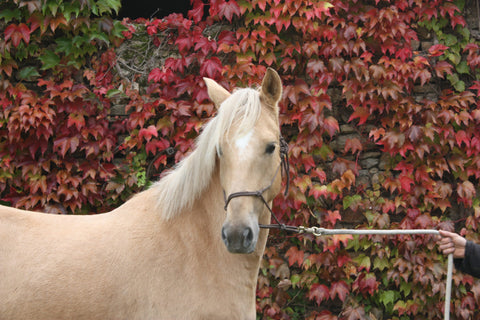
To improve your relationship with the animal, it is very important to talk to it. Not every tone works: words spoken slowly and without raising the voice have a calming effect on the animal, reassuring it and building its confidence. On the other hand, raised voices and children's shrill shouts should be avoided, as they frighten the animal, which, through its flight instinct, may barge into and injure people nearby. Moreover, someone who is constantly shouting desensitises their horse and is then unable to get it to listen when there is danger. In normal circumstances, simply raising the voice is often enough to stop the horse doing something (standing on your foot, running off, and so on). The horse's great capacity for listening can be put to good use in its training. Indeed, the horse is able to recognise a very large number of words.
From the workshops
Pieces related to this guide




Also worth reading