The horse in the wild
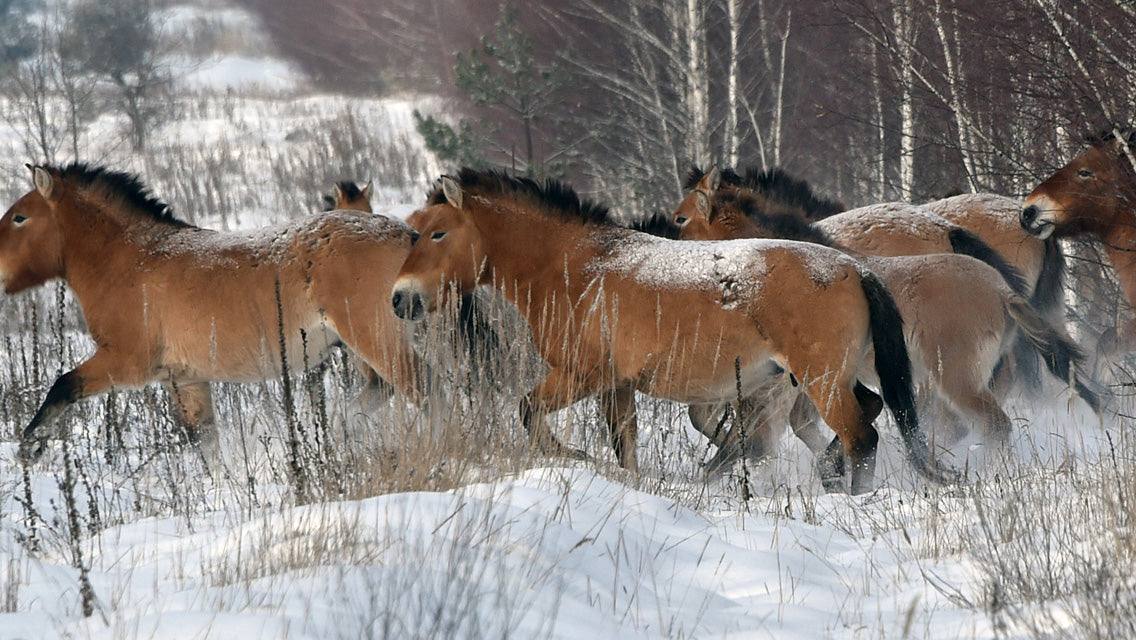
Did you know that the horse is originally a wild animal? Although most of the horses we see today were born at a breeder's yard, their distant ancestors lived in the wild before being domesticated by humans. In fact, there are still a number of horses living in the wild today. How does a horse behave when it lives in the wild? That's what we look at in this article.
The horse, a highly emotional animal
In the wild, the horse is a prey animal with two options for survival when faced with predators. The most common is flight: its first reaction to something unfamiliar is often to shy and move away, so that it can observe whatever frightened it and assess the real level of danger.
If the danger seems too great, the horse will flee straight ahead as fast as it can. The second option, if the danger isn't particularly impressive, if the animal is cornered, or if it's a mare defending her foal, is to face the threat and use its teeth and hooves to defend itself. In order to detect predators quickly, the horse has highly developed senses.
Constantly on the alert for the slightest sign of danger, the horse is a very timid and highly emotional animal. Fear spreads extremely quickly within a group.
In the wild, the horse doesn't necessarily have any protection. Neither from an owner nor in the form of equipment such as the items sold by La Sellerie Française. That is one of the reasons why it remains so much on its guard.
An animal that lives in a group in the wild
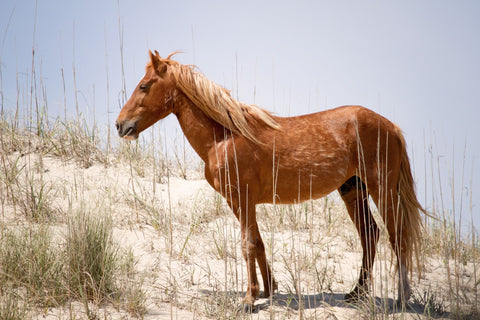
The horse is a herd animal and lives in groups generally made up of three to six mares with foals at foot and one stallion. The herd is well organised and led by a dominant mare, while the stallion is kept somewhat apart from the hierarchical structure. He protects the group from predators or from other males in order to secure his offspring.
When young horses reach sexual maturity, they either leave the herd of their own accord or are driven off by the stallion. The fillies join other herds. The males group together and practise fighting through trials of strength, until they feel ready to create a harem of their own.
Living in a group offers the horse several advantages: better protection against predators, but also the chance to enjoy worthwhile social exchanges such as mutual scratching, chasing insects off one another, and so on.
In nature, the horse's main activity consists of looking for food and eating. This can take up to 16 hours a day, but on average horses devote 60% of their time to it. As their stomach is very small, they can only take in small amounts of food at a time, but they do so several times throughout the day.
The horse is a herbivore, so its main source of food is forage. The rest of the day is spent resting (25%) and on social contact (15%, maintaining the hierarchy and socialising). The herd is organised very strictly and body language is explicit enough to prevent serious, dangerous conflicts from arising.
From the workshops
Pieces related to this guide

Also worth reading