Galop 3: syllabus, tests and preparation
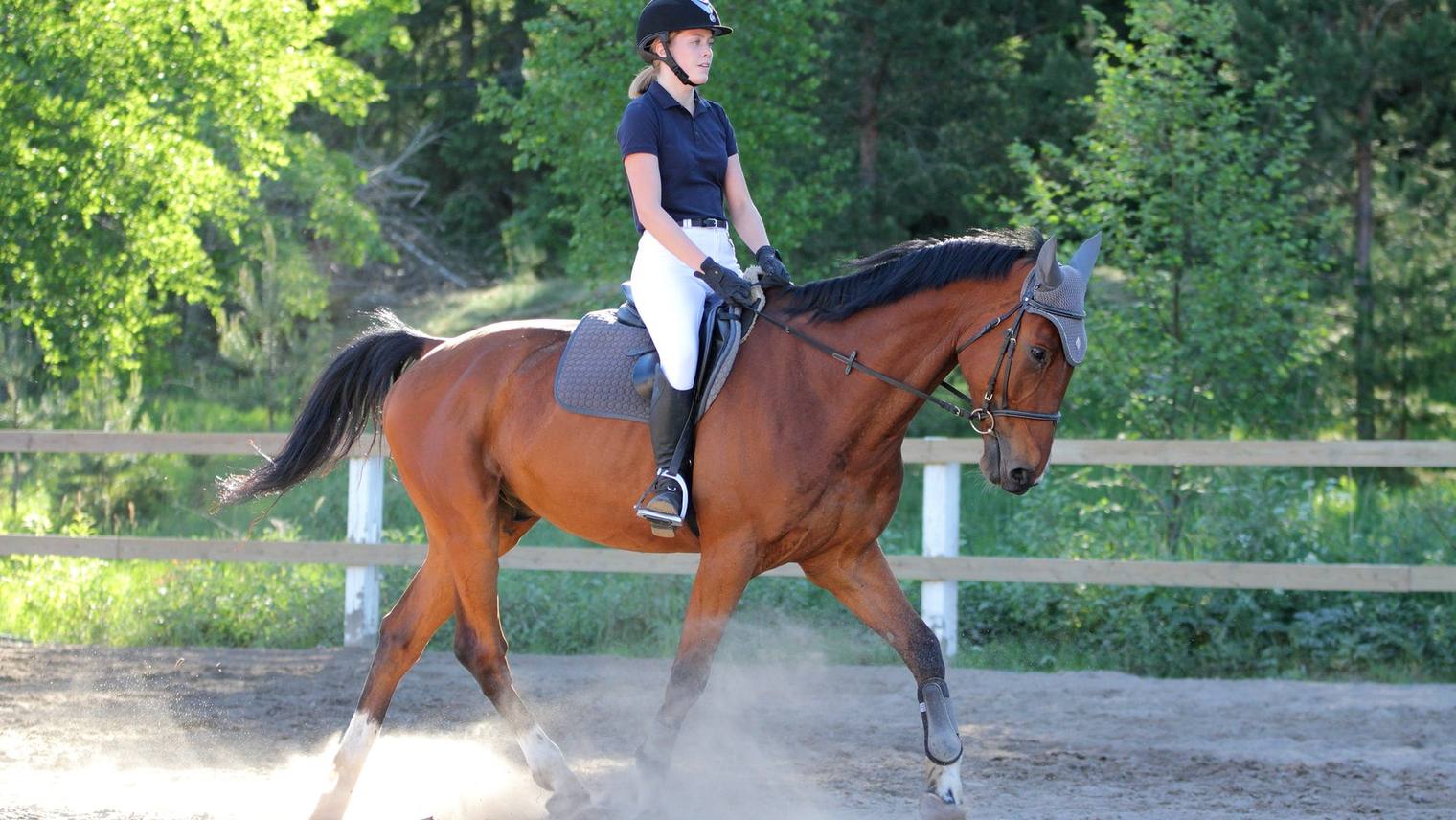
The Galop 3 is the third exam an ambitious rider has to pass on the way to competition level. It is a specific activity that calls for particular skills. If you are thinking of sitting this exam, the following information will be very useful.
Getting ready
Before the day of the Galop 3 exam, the rider needs to be up to speed. That means meeting certain prerequisites, which can be achieved by adapting to the situation. Here, the rider is in the position of a candidate. So they must revise the tests after following proper training in the field.
In principle, riders who are talented or have a natural feel for riding can work on their own. That gives them a personal programme set out for progress at their own pace. Suitable equipment also counts: a well-fitted riding hat and comfortable clothing allow you to focus on the work. Our artisans make rider equipment in France. Despite this aptitude, it will still be necessary from time to time to turn to a riding instructor to spot the various gaps in the learning process or in the work with the horse.
The second option for the rider is to call on a professional from the outset. They take lessons at a club or riding school. They learn the basics of the discipline with an instructor. With the help of that same teacher, they pass the Galop 2 and do specific revision to sit the Galop 3. At this stage the work flows better and is better structured. The programmes follow the standard laid down by professionals in the field.
Aside from preparation with an instructor, the rider must above all have time in the saddle. This time is precisely the moment when horse and rider get to know each other and set about pushing their limits. As far as possible, you will know your mount's quirks before the day in question and will have taught it a particular way of getting round them at the right moment.
The exam
The Galop 3 has a practical part and a theory part. At each stage, the rider has to give answers or show set responses in order to be judged worthy of the grade.
For the theory, the questions cover the horse's limbs, its head, shoeing and the foot. As each chapter is already set out in detail in the federal guide and the manuals available at clubs, a well-prepared candidate should manage. At worst, they should be able to recall the pictures seen during lessons with their instructor, along with their instructions or tips for remembering them.
Showing the judges the whole process of handling and caring for the horse is the first part of the practical. For this section, turn up with your own grooming kit and a properly adjusted halter: take a look at our care products and our halters and lead ropes. The candidate then has to lead the horse along a track with curves, before backing it up at the end along a straight line. Finally, they mount up to strike off on the correct canter lead and rise on the correct diagonal in the flatwork. Above all, for the highlight of the show, the fences must be jumped with style and technique.
From the workshops
Pieces related to this guide
Also worth reading