Galop 7: syllabus, tests and preparation
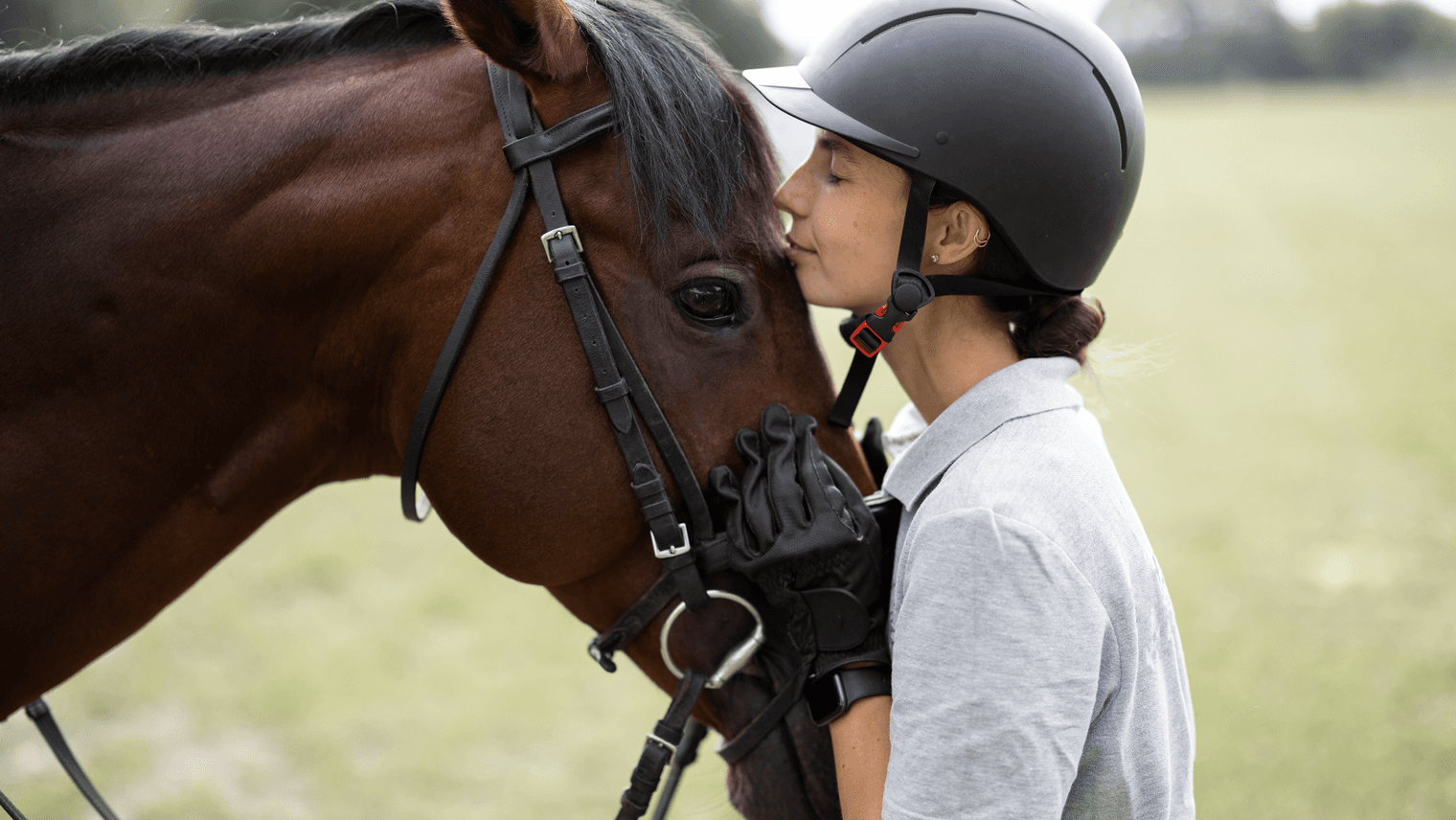
Every young rider wants to reach the pinnacle of their discipline sooner or later. If that's where you're heading, you'll have to tackle the Galop 7 exam. Before you get to that stage, read on to find out more.
Before Galop 7
Galop 7 is now recognised as the highest entry-level qualification into the ranks of riding professionals. To hold a permanent grade, you have to progress step by step. Before Galop 7, you need to have passed Galop 1 through to Galop 6.
To do so, horse and rider must show they have at least a basic understanding of one another to begin with. Galops 1, 2 and 3 assess that level. Then, at Galop 4, the rider works independently and bonds with their mount for a slightly more demanding test. Among other things, they must show that they look after the horse, in particular through a diet made up of the feeds described on La Sellerie Française. Stability, basic school figures and theoretical knowledge are required to pass exams 5 and 6. Without stirrups, the candidate must demonstrate that they have control of their mount.
Galop 7: what are the requirements?
To take Galop 7, the fundamental requirement is having the riding level needed to join the professional ranks. Above all, you need as much practical experience as theory. Age is another consideration if you are under 18. Ten years old is the minimum the federation accepts for a rider to enter the professional ranks and take Galop 7. In that case, the other Galops must already have been passed and count as achievements. That said, at 18 or over you can go straight to Galop 7 if you think you're at the right level.
Preparing for Galop 7
In principle, the most important preparation for Galop 7 is passing all the earlier exams, that is the six previous Galops. From there, with a little practice, this Galop is soon mastered. For the practical side, the main thing is to stay in constant contact with your riding instructor. Indeed, it's up to them to put you forward for Galop 7 based on your ability and on what they have seen during your various practice sessions.
As theory is also assessed in this exam, books, manuals and documents need to be read extensively. The federal guides are also recommended for improving your knowledge of riding in general and of the exercises in particular. It's very much a matter of immersing yourself. Afterwards, you can work through quizzes to practise before exam day. Above all, make sure you answer every question.
How Galop 7 works
Galop 7 calls for thorough preparation. It's the final hurdle before turning professional. In practice, the candidate answers theory questions on equestrian knowledge. The aim is to assess how well they know the field. They must also be able to care for their horse and to demonstrate this in front of the examiners. Next, the in-hand test requires them to handle their horse using the reins alone. Whether the horse is in trot or not, the rider stays in control. Finally, for a good result, the ridden phase matters enormously. This is where school figures, set routines and jumping fences are essential.
From the workshops
Pieces related to this guide
Also worth reading