Allergies (horses and hay)
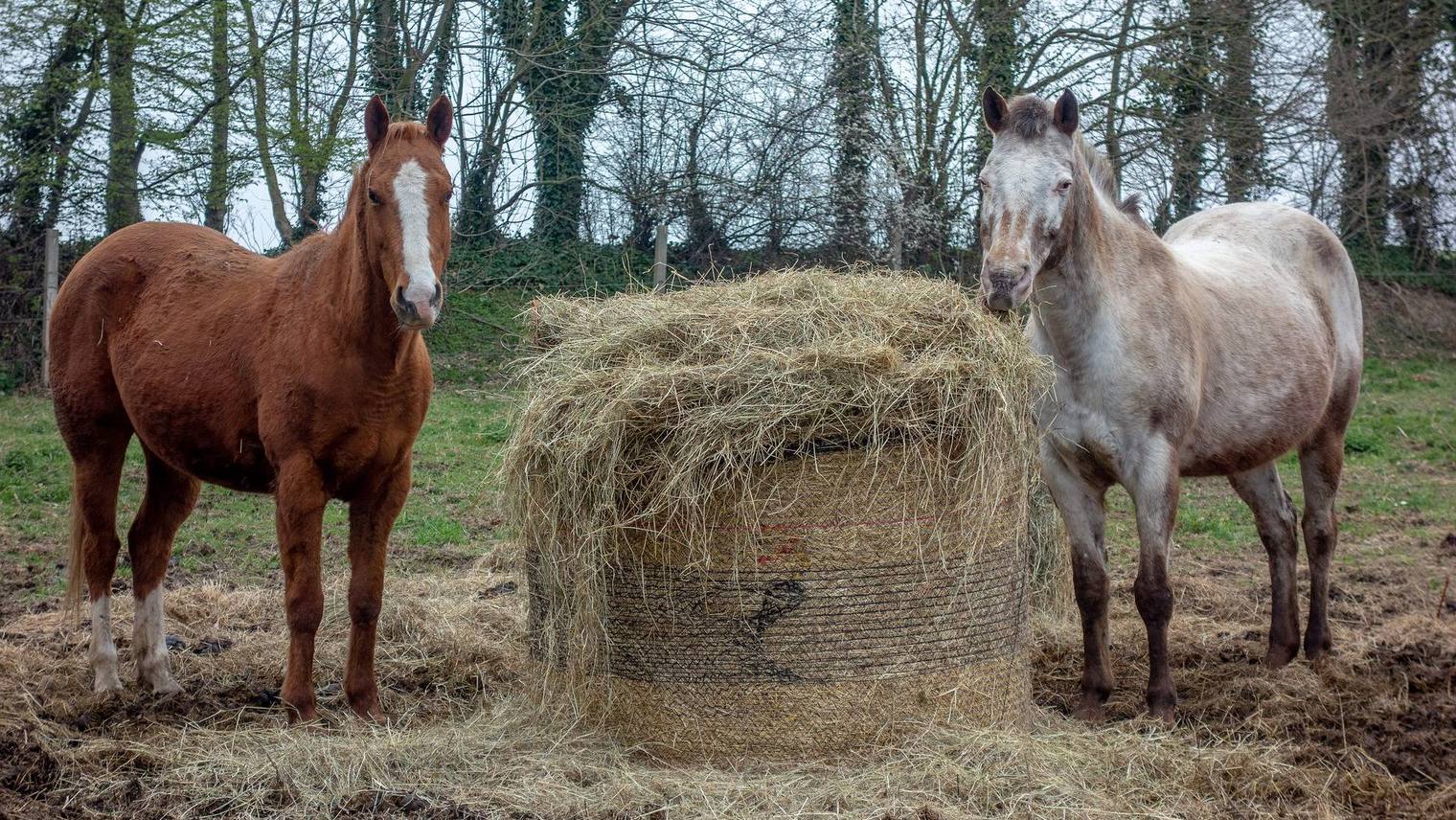
Your horse needs to live in a pleasant environment if he is to stay competitive. That means keeping him away from anything likely to trigger an allergy. If all this is new to you, the information below is for you.
Which hay allergies affect horses
The allergy most often seen in horses in connection with hay is dust allergy. Hay, whether given or bought, is not always clean. Impurities creep in through the way it is grown, harvested and stored. Horses are therefore sometimes exposed to dust. If they are allergic to it, the chain reaction sets off automatically. The owner then struggles to manage an animal that has fallen ill.
The second allergy commonly seen is caused by mould and spores. These are found in hay supplied by farms that pay little attention to hygiene rules. The problem arises when the hay delivered is stored for too long before finally being sold. That gives mould a chance to take hold, which then bothers the horse and brings on respiratory problems.
What are the symptoms?
The symptoms of an allergy in a horse are easy to spot, at least at the outset. The first reaction is a persistent cough. At the very least, the rider notices that the horse is not comfortable when work begins and seems to have something stuck in his throat. His eyes may run, he may cough hard or be itchy. In the medium term, the allergy can turn into a respiratory problem. The horse ends up short of breath, to the point where he can no longer keep up the same workload as before. At that stage things have gone a long way and the rider needs to pay close attention.
In some particular cases, with very hardy horses, the allergy is not obvious as a reaction to an irritant. It shows up as increased tiredness that lowers the horse's performance. He may become very slow or lazy. If nothing is done, this leads to a temperature or a loss of appetite.
What precautions should you take?
Treating a horse in this state is a matter of urgency for his rider. To begin with, bear in mind that the horse needs a clean, well-kept environment. To achieve this, his living space should be cleaned every day, morning and evening. If he senses cleanliness around him, he will be that bit more relaxed and will perform at his best for you. Even so, you need to be careful about the various products used for cleaning. Plenty of specialist equestrian shops sell good-quality products for looking after horses.
In addition, the hay should be cleaned using a hay steamer. Steaming refreshes the hay and serves it to the horse as a feed that retains all its nutrients. He tucks in cleanly and becomes once again the cheerful horse he was when you first started working together. You can get further advice from professionals and experts on exactly how to use this piece of equipment.
From the workshops
Pieces related to this guide

Also worth reading