Freelance riding instructors: what are the pros and cons?
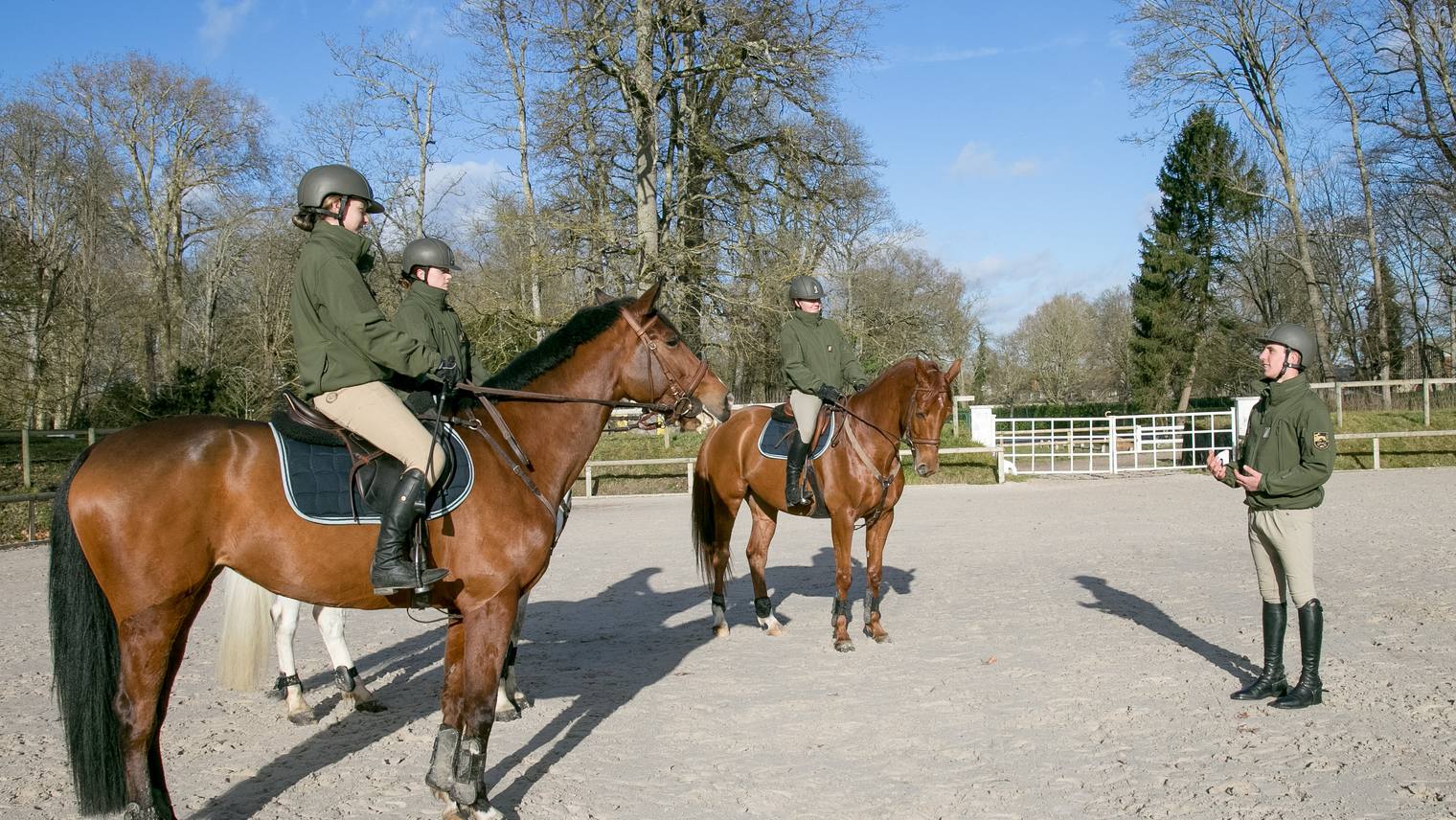
There are several ways to work in the equestrian world. Most jobs, in fact, involve being employed by a riding school, a racecourse, a yard or a livery stables. If you would still rather go off the beaten track, we suggest looking at the role of freelance riding instructor.
Advantages
Becoming a freelance instructor is an interesting career choice for anyone who wants to spend the rest of their working life in the equestrian sector without boredom or routine. Part of the job is recommending the right brand and the right kit, in this case the bridlework featured on La Sellerie Française. In practice, you enjoy a number of benefits linked to the particular status of the job.
Your own timetable
The freelance instructor does not work for any one establishment. Being self-employed, they deal with clients directly. As soon as both parties agree, work can begin. The timetable is then drawn up around everyone's individual schedule. Sometimes the instructor can put their foot down. They decide, according to the client's free time, when the various sessions should take place. Their timetable is therefore flexible.
New teaching approaches
The freelance instructor has had training that brings together ability, skills and experience. They are therefore perfectly capable of teaching someone else the art of riding. In a riding school or a yard, house policy requires them to apply a particular teaching method with clients. As a freelancer, they can try out new teaching approaches.

Contracts negotiated on their own terms
The freelance instructor negotiates their contracts personally. They can even draft them, with the client simply making amendments. That can lead to some very good deals. They can even raise their rates depending on the client's budget and the results expected of them. As for equipment, they just have to include it and the client has to buy it.
Disadvantages
Being a freelance instructor is not all upside. There are drawbacks too.
Far too much free time
The freelance instructor has no guarantee of clients all year round. Turnover can drop very quickly if clients improve and join a club. They will then have to make do with crumbs each month. During that time they will no longer be around the horses they are so passionate about. The first thing to fear here is monotony. With all that free time on their hands, they will very soon find themselves idle.
Pupils calling the shots
With a freelance instructor, it is the pupils who pay. They are therefore sometimes obliged to use a method that suits the pupil's temperament. As a result, their work is no longer as effective, since it depends on the feelings, moods and demands of their pupils. Instead of being the master, they become the servant of their pupils. Those same pupils can then change the rates if they feel a contract calls for it.
From the workshops
Pieces related to this guide


Also worth reading