The biggest concerns of the equestrian sector in France
As people's needs, the policies attached to them and the available techniques have evolved, the equine sector has taken shape without ever really organising itself, coping more or less with state oversight that has gradually been called into question. Even so, the sector is a significant source of jobs, secondary activities and leisure. As a link between tradition and modernity, town and country, pleasure and performance, it brings together a wide variety of players, sometimes at odds with one another, but generally driven by the same passion for the horse. In this article, we look at the main concerns felt by those working in the equestrian sector.
Job insecurity, a burden for employees and employers alike
The equine sector is a significant source of jobs, particularly agricultural ones, marked by a degree of insecurity and a high turnover that affects young people in particular. The market remains tight: in 2024, 2,493 job offers were posted on the IFCE's Équi-ressources platform, 57% of them permanent contracts, and several occupations have more vacancies than candidates. Équi-ressources, labour market indicators 2024.
Employers acknowledge that jobs working with horses often involve difficult working conditions, low pay and hours that can be hard to square with family life unless efforts are made to organise the work differently. This can lead to real disappointment among young employees who are motivated above all by their passion and by being around horses. For the business, replacing these employees comes at a considerable cost.
Beyond that, all of this holds back the professionalisation of employees, who do not build up enough experience to become specialists in their trade. Taxation has long weighed on this debate: VAT on equestrian activities, lowered in 2005 then raised again in 2013, has been back at the reduced rate of 5.5% since 1 January 2024 for tuition, livery and access to facilities. BOFiP, reduced VAT rate as of 1 January 2024. This return was a long-standing demand from riding schools, as it determines part of their margins and therefore their jobs.
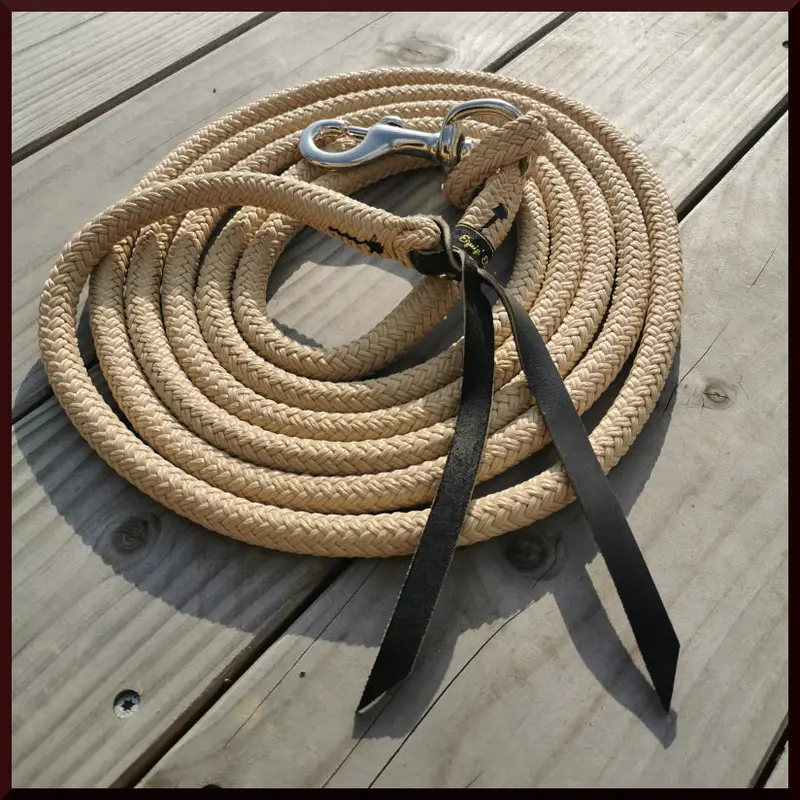
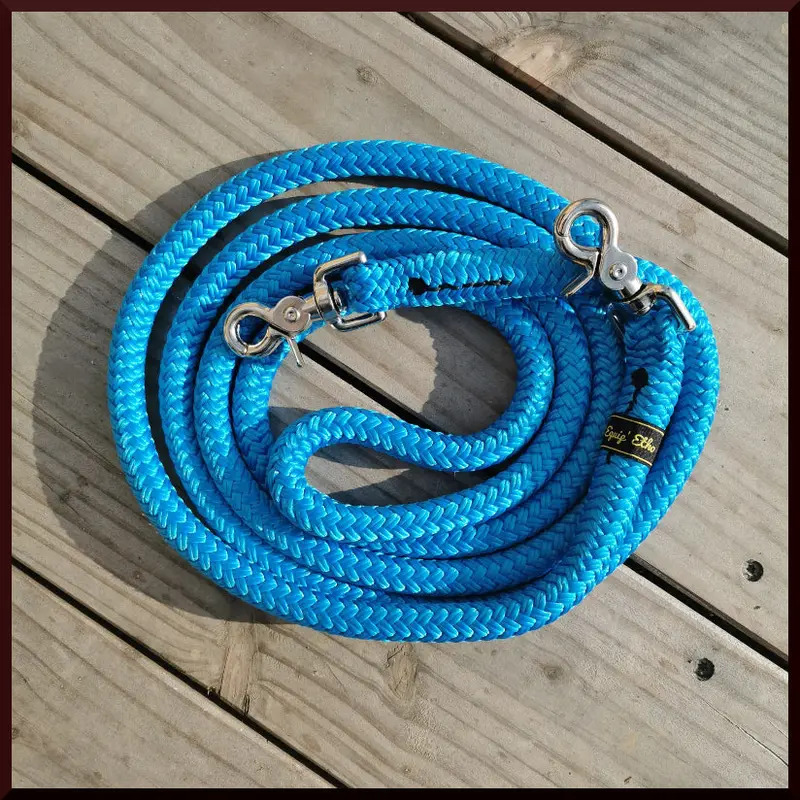
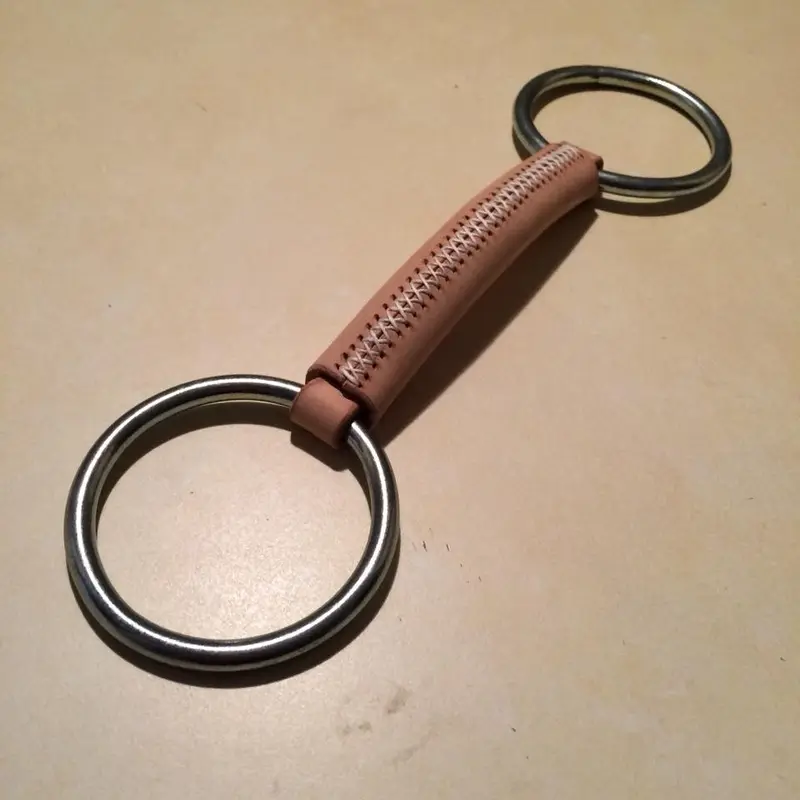
What is more, the large proportion of volunteers and amateurs compared with professionals, combined with the ambiguity surrounding professional status, means that some of those involved have had no specific training for these jobs. Training is not always suited to the work either, the level of entrants is often a problem, and some occupations have no specific training to prepare young people for working life. This creates a mismatch between candidates' skills and those employers expect, and employers sometimes find themselves having to choose their horses' tack and accessories themselves on La Sellerie Française.
Professionalism in question
A recurring debate within the sector sets "professionals" against "amateurs", with each side having its own definition of the two categories. Breeders who describe themselves as "professionals" because they are trying to make a living from their activity accuse the others of unfair competition and consider it illegitimate that they should receive state aid when their activity is a leisure pursuit. They also criticise them for having taken control of the professional associations, arguing that their approach to breeding is too far removed from economic reality and that they do not make up for it with the scientific grounding that could add something in terms of selection programmes, for example.
Others, however, take the view that professionalism cannot be tied to a company status, or that genuinely professional breeders are too few in number for the distinction to be worth making, given that the sector largely runs on the strength of "amateur" breeders. Finally, there are those who believe the compromise would be to support businesses rather than breeders, to make an effort to promote young working people so that they take on responsibility, and to award grants according to eligibility criteria that reflect a policy and objectives rather than a status.
This difficulty in distinguishing between professional and amateur breeders adds to the considerable opacity of the French riding horse market which, like the "recycling" of racehorses and sport horses into leisure riding, harms the development of genuine outlets for both leisure and high-level horses, and therefore harms breeders. The question of professionalism also arises for top-level riders who, financially speaking, cannot live off competition and have to combine it with another activity.
===END===From the workshops
Pieces related to this guide
Also worth reading