What is endurance riding?
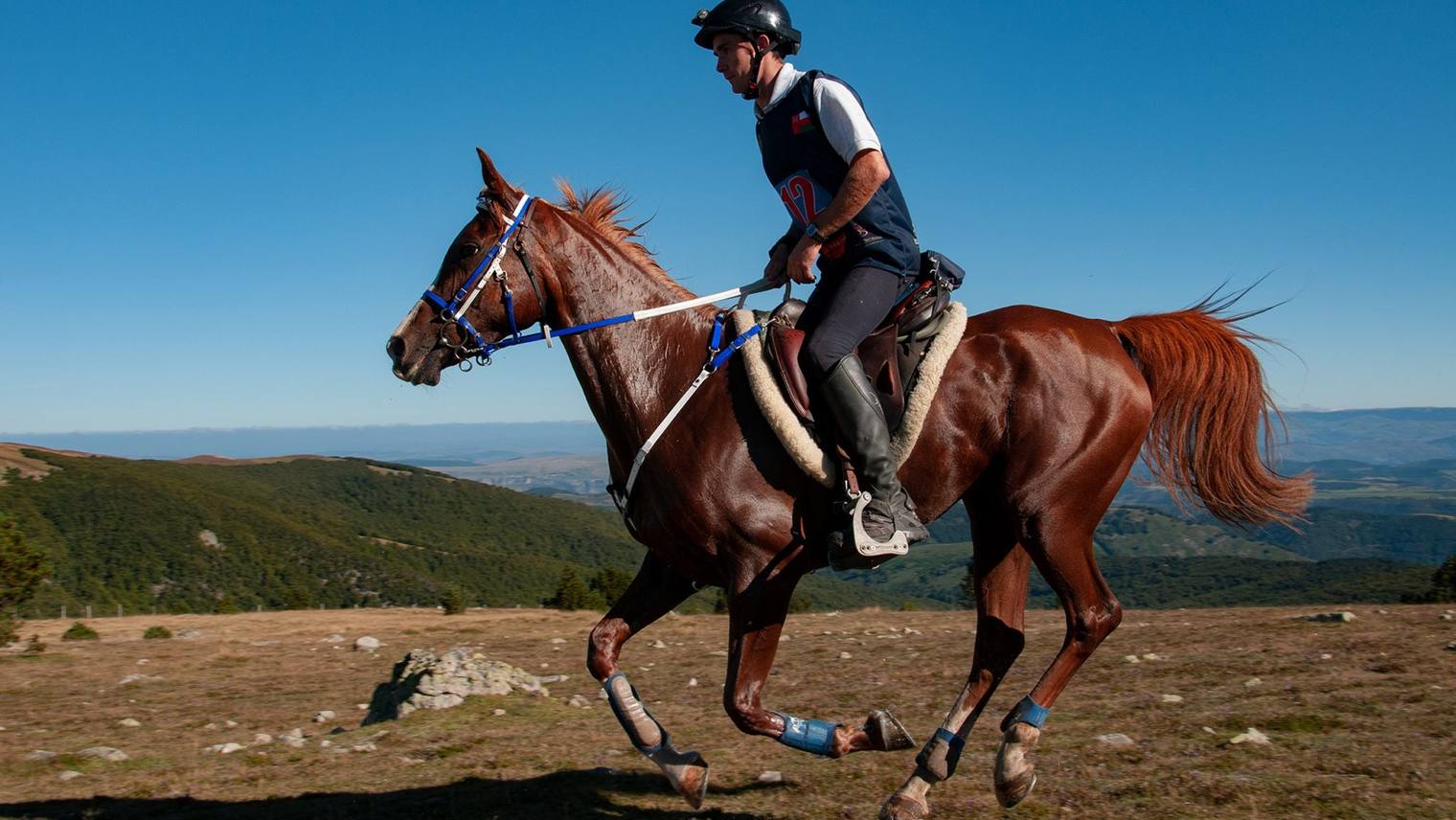
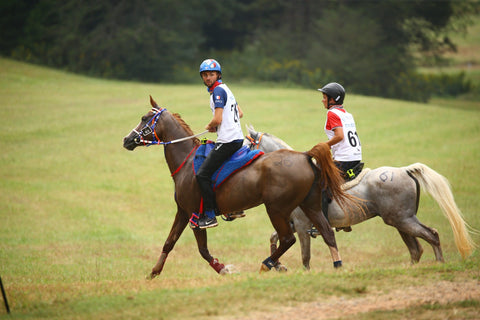
When we talk about endurance, we're talking about an equestrian discipline practised outdoors. Endurance can be compared to a marathon, in that it's a race run over distances ranging from 20 kilometres to 160 kilometres, either at a limited or an unrestricted speed. Recognised by the French Equestrian Federation (FFE) since the 1980s, endurance features at the World Equestrian Games. So what exactly is endurance? That's what we look at in this article.
Endurance riding: how does it work?
During an endurance ride, riders and horses set off over a distance that can range from 20 to 160 kilometres across open country. They have to maintain a speed of 12 to 19 km per hour throughout the race — always with respect for the horse.
The other main difficulty in an endurance ride is that you have to go fast while taking care to manage the effort of the horse and rider combination. With this in mind, the horse needs to be trained to cover long distances. The rider must also be able to judge their horse's capabilities.
Endurance can be ridden individually or as a team. In the latter case, teams made up of four combinations take it in turns. The routes are generally waymarked. They can be ridden either freely or at a set speed.
Throughout the race, vets are on hand to make sure that the horse entered really is fit to continue the competition, on pain of elimination. The horse must also be fitted with the necessary equipment. Many riders buy this equipment from La Sellerie Française.
Endurance and looking after the horse's health
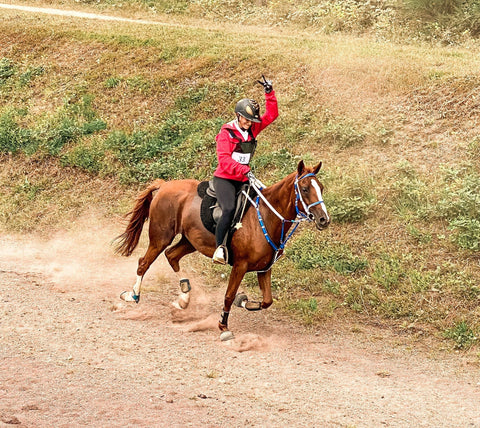
In endurance, it's essential to bear in mind that the health of the competing horse is a very important factor. That's why veterinary checks take place before, during and after the race — whatever the level of competition involved.
So it's important to go through a first veterinary check before the start. This is when the horse's vital signs are taken and its health record is handed over to the vet for the duration of the race.
Every 20 to 30 kilometres, the horses are then halted for a veterinary check. The checks are thorough and make it possible, among other things, to verify that the horse's heart rate is not above the values laid down in the rules. The quality of the paces, the respiratory rate and the colour of the mucous membranes are also checked.
If, at any one of the veterinary checks, the horse shows any physical weakness, is too tired or is lame, the horse and rider combination will not be allowed to continue. They will simply be eliminated. If the vet's check has a positive outcome, the horse must rest for 40 to 50 minutes before setting off on the next stage.
It should also be said that it's important for the rider to have an assistant during the race. A rider cannot take part in a race without one. The support crew matters because they provide certain care for the horse, such as rehydration. The assistant can also tell the rider how far ahead or behind the other competitors are.
From the workshops
Pieces related to this guide

Also worth reading