What is para dressage?
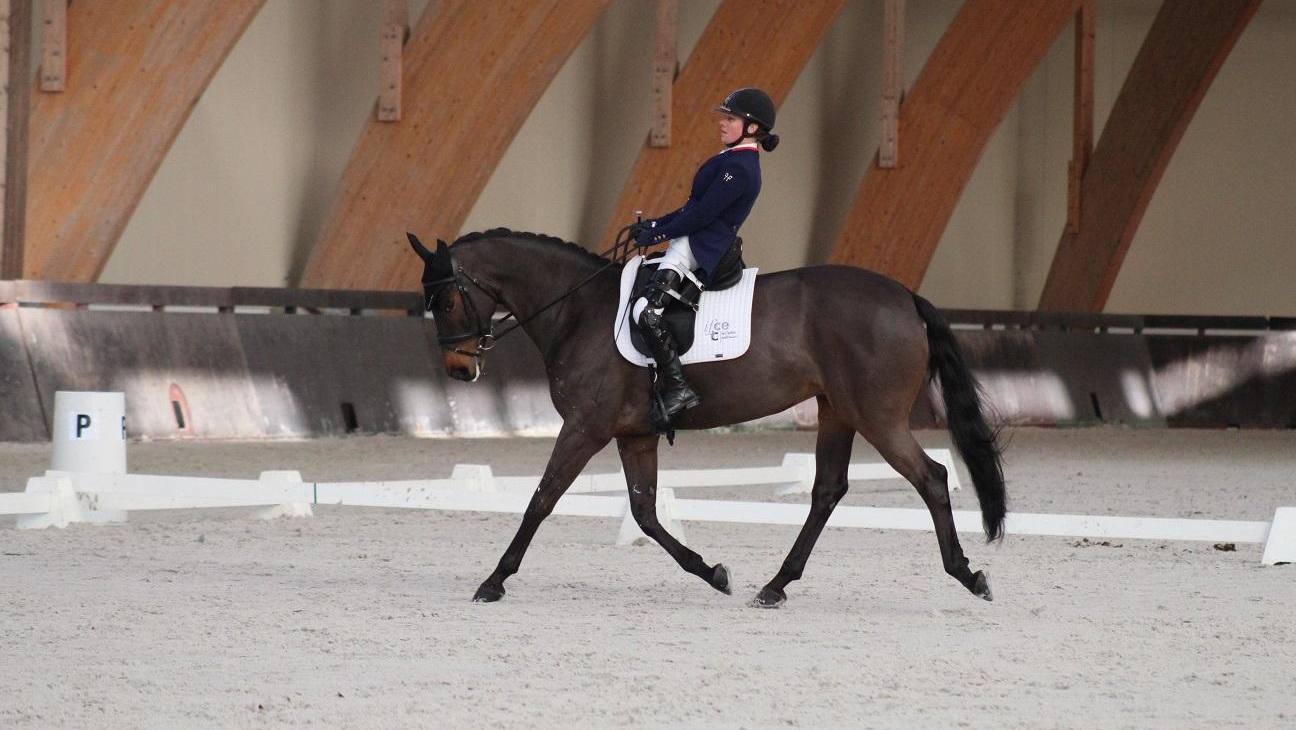
Unlike the Olympic Games, which include three equestrian disciplines, only dressage features on the Paralympic programme.
Para dressage is a discipline that shows the partnership between rider and horse. It is a sport in which athletes are judged on the quality and accuracy of their riding. What exactly is para dressage? We explain in this article.
Para dressage: what is it?
In its early days, para dressage was used as a therapy, for the benefits people gain from contact with the animal. It was also a leisure activity. While the first competitions appeared in the 1970s, para dressage only joined the Paralympic Games in 1996, at the Atlanta Games.
All classes are mixed and riders compete together across four different grades of disability. At the Paralympic Games, the dressage discipline includes the individual grand prix class.
This is a test without music, based on set movements, lasting around 5 minutes. There is then the freestyle test to music, ridden by the top 8 from the individual grand prix class in each category. That test lasts around 6 minutes.
Beyond these classes, there is a team competition made up of 3 riders per country. At the end of this class, the riders' respective scores are added together. It is worth remembering that para dressage classes are open to men and women on equal terms, under a mixed classification.
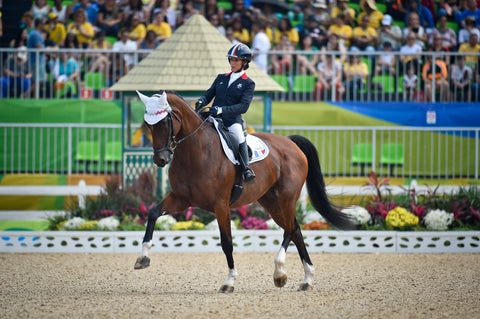
As a result, horse and rider are generally considered to win their medal as a pair. Riding a horse conventionally calls on the various parts of the rider's body.
The hands slow the horse and steer it left or right. The legs act as the accelerator. The trunk and pelvis govern the horse's balance.
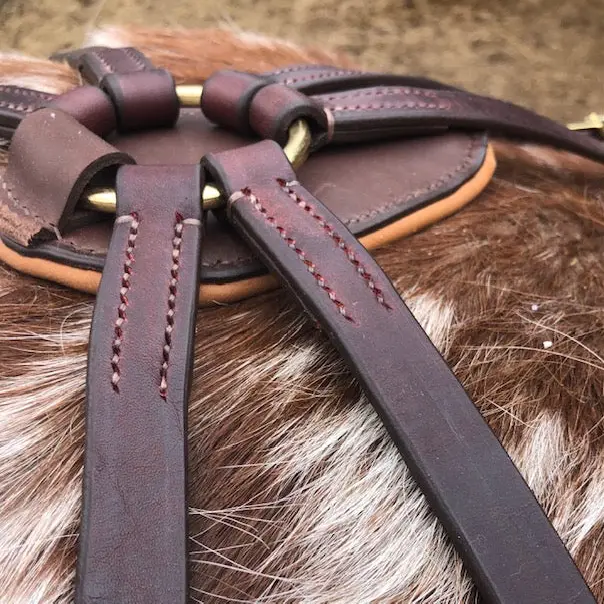
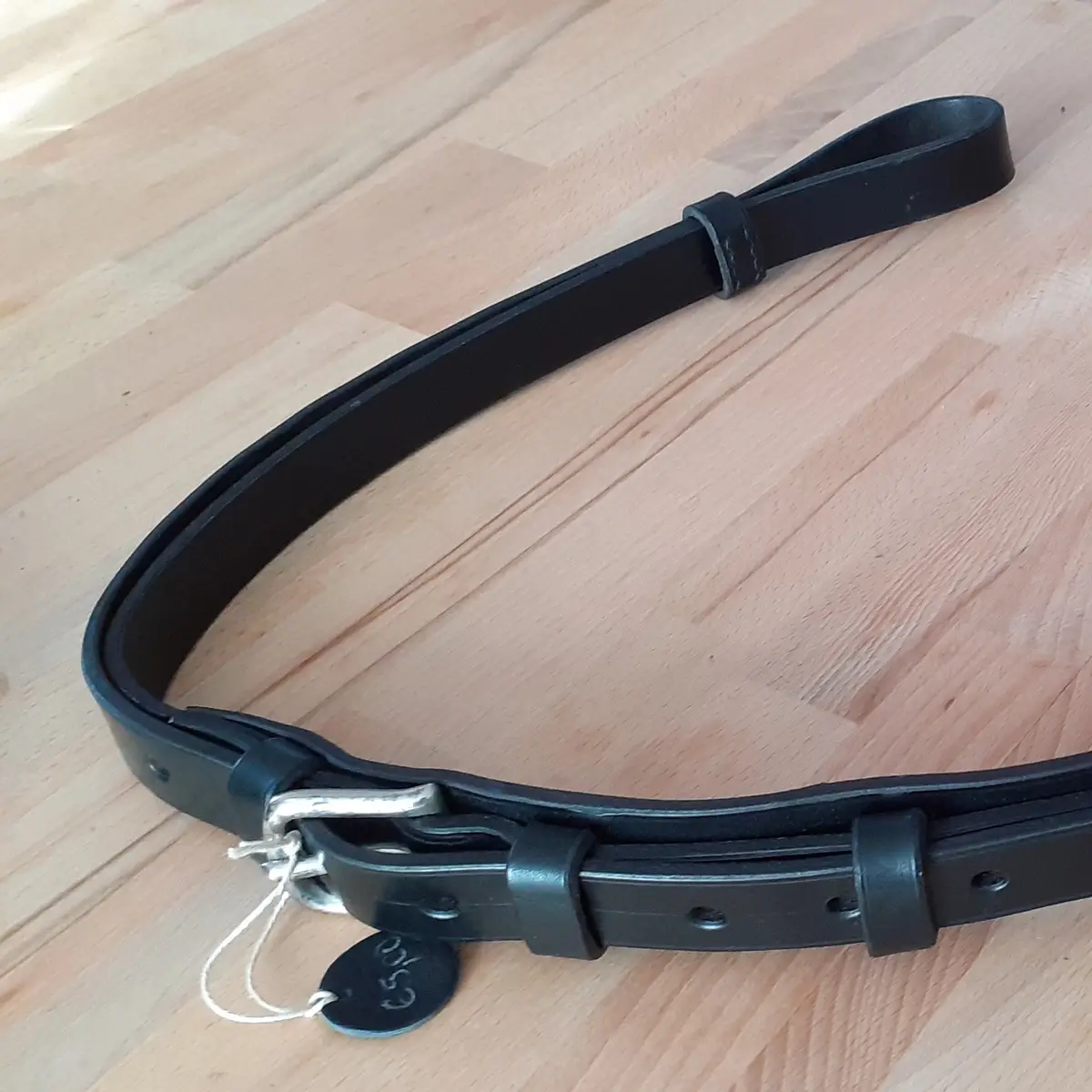
In para dressage, the horse has to obey instructions of various kinds. The legs, or other limitations, are therefore replaced by compensating aids: schooling whips, spurs, sounds and so on. These items are available from La Sellerie Française.
What qualities does the rider need?
A good dressage rider is one who can bring out, during the competition test, all the horse's qualities of outline, paces and balance. The rider needs an instinct for riding. They must have an excellent ability to anticipate and be able to adapt to the horse's unexpected reactions. The rider must be able to control their emotions. If fear takes hold in the arena, the horse will have felt it, because the aids the rider gives will be slightly different from usual.
For its part, a good dressage horse should be physically well proportioned. It must have naturally good paces. It needs a particular mental capacity to accept the physical, repetitive side of the training. Finally, the horse must be one that loves to put on a show.
From the workshops
Pieces related to this guide
Also worth reading