The Fjord horse: breed features and planning daily care
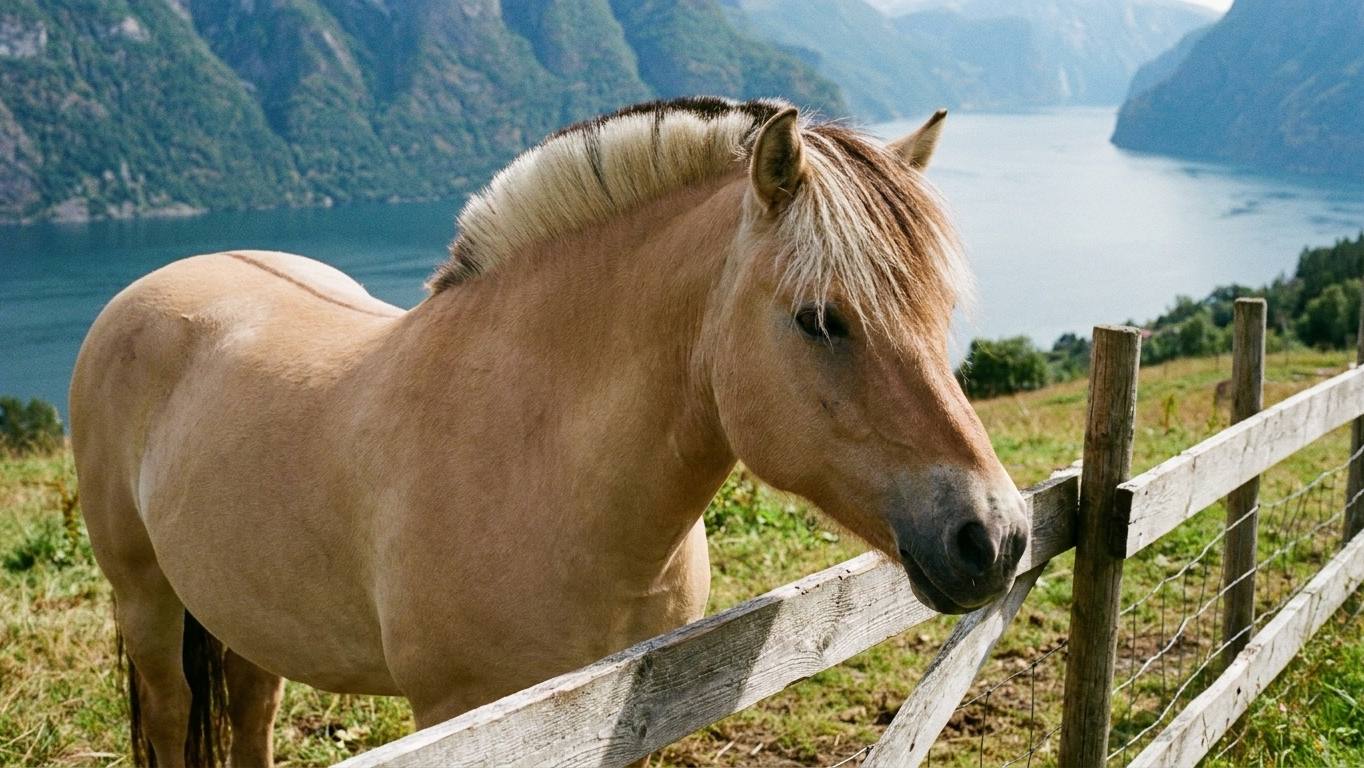
The Fjord is a Norwegian horse recognised by its build and dun colours. A reputation for hardiness does not establish suitability for every rider or imply minimal care. Plan ownership around the individual and the conditions in which it will live.
Coat and mane: useful breed features
Fjord Horse International describes five colours recognised in the Norwegian standard: brunblakk, rødblakk, grå, ulsblakk and gulblakk. Calling every Fjord buckskin overlooks these distinctions. The mane is often trimmed upright, with contrast varying by colour. Fjord Horse International reference handbook
Request identification and origin documents to establish breed status. A dorsal stripe and a trimmed mane cannot replace them. When selecting equipment, use individual measurements instead of assuming that Fjords share one size.
Examine actual experience
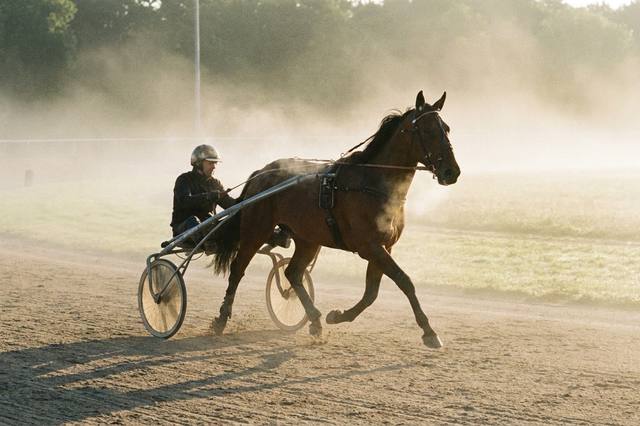
A Fjord advertised for hacking may have no driving experience, and the reverse is also possible. Ask about its work, frequency of outings, familiar situations and the riders or drivers currently handling it.
Arrange a supervised trial matching your intended activity. Do not treat the breed name as a behavioural guarantee around children, in traffic or in equine-assisted activities. Those uses need specific assessment.
Monitor body condition
A compact appearance should not cause excess fat to be overlooked. Body condition scoring helps assess and monitor a horse’s condition; the BHS highlights its relevance to native types. BHS body condition guidance
Work with your veterinarian and nutrition professional on management suited to available forage, workload and condition. Do not introduce abrupt feed restriction or use exercise to address pain that has not been assessed.
Organise everyday care
Before arrival, establish who is responsible for water, fencing, turnout, feet and health monitoring. Plan introduction with the boarding provider. Hardiness removes neither the need for an appropriate environment nor daily observation.
Have saddle fit checked and, if driving is planned, consult a competent harness professional. A strong neck or broad back is insufficient to select a configuration. Budget for those adjustments as well as the horse itself. Keep records of changes in weight, routine and work so that later equipment and care decisions reflect the horse’s current needs.
From the workshops
Pieces related to this guide
Also worth reading