The French Trotter: distinguish racing from a retraining project
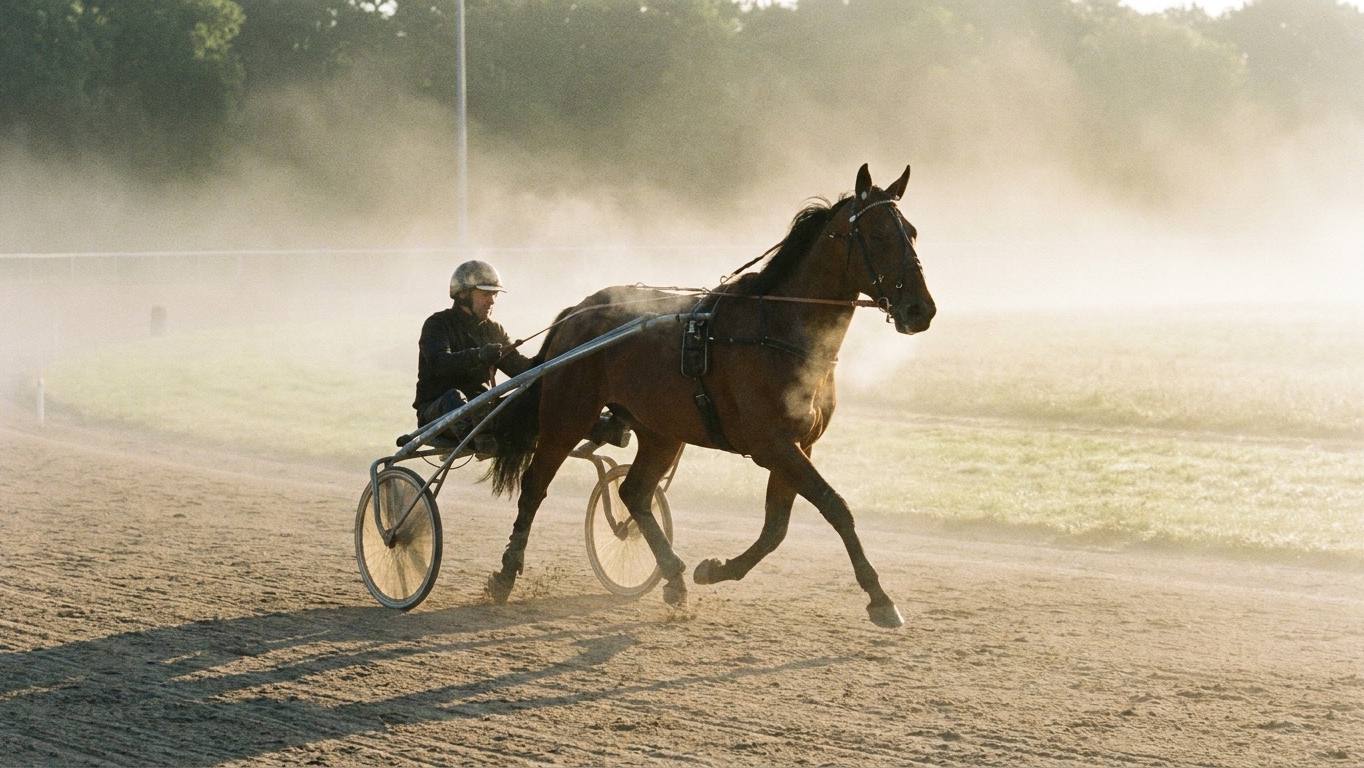
The name French Trotter identifies a breed selected for trotting races. It does not establish the experience, health or current abilities of a horse advertised for sale. Before choosing tack or planning work, clarify your intention: learning about racing, becoming a racehorse owner or taking on a horse for another activity.
Harness and ridden trotting
In harness racing, the horse pulls a sulky carrying a driver. In ridden trotting, a jockey rides the horse. IFCE distinguishes both forms when describing work in a trotting yard. IFCE information on exercise riders
Having raced under saddle does not mean a horse has already learned everything expected in leisure riding. Equally, harness experience does not establish that a horse is unsuitable for another role. Its individual history needs assessment.
Read a retraining advertisement carefully
Ask why the horse left racing, what is known about its history and what work has followed. Establish which situations it has actually experienced: handling, transport, living with other horses, outings and ridden work. A short video cannot replace that conversation.
Specialist organisations support this transition. The SETF supports the Passerelle and Fédération Française de la Reconversion networks; its March 2026 announcement describes the renewal of that commitment. SETF statement on French Trotter retraining
Ask the organisation about assessment and follow-up. An association’s name does not remove the need to examine the particular horse and agreement.
Assess the partnership before buying
Explain your current ability to the professional accompanying you. Arrange a meeting and trial appropriate to the horse’s reported training. For health and suitability for your intended use, discuss a pre-purchase examination with a veterinarian independent of the seller.
Budget for accommodation, care and professional support during the transition. A low purchase price does not measure either the training still needed or the ongoing cost of ownership. Avoid setting a competition deadline before the necessary stages have been assessed.
Fit equipment to the new work
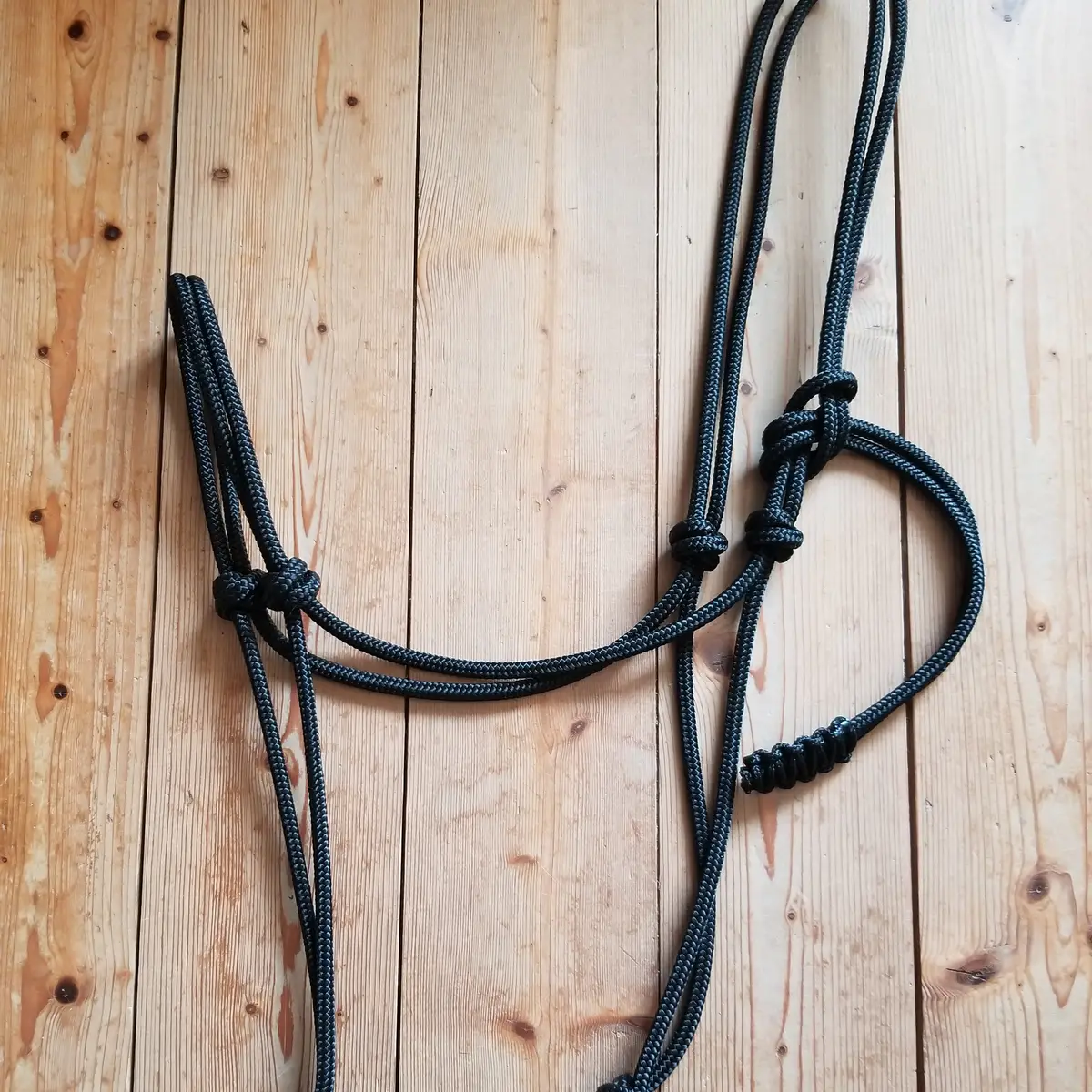
Have saddle and bridle suitability checked for the individual horse and rider. Do not automatically copy the equipment used during racing. Each choice should reflect the planned activity, fit observations and advice from the relevant professional.
If your aim is racehorse ownership, consult racing professionals and the governing organisation separately. A retraining guide cannot select an investment, prescribe speed training or predict winnings. Keep those decisions separate from the practical question of whether a particular horse suits your riding and available support.
From the workshops
Pieces related to this guide
Also worth reading