Understanding your horse's resistances
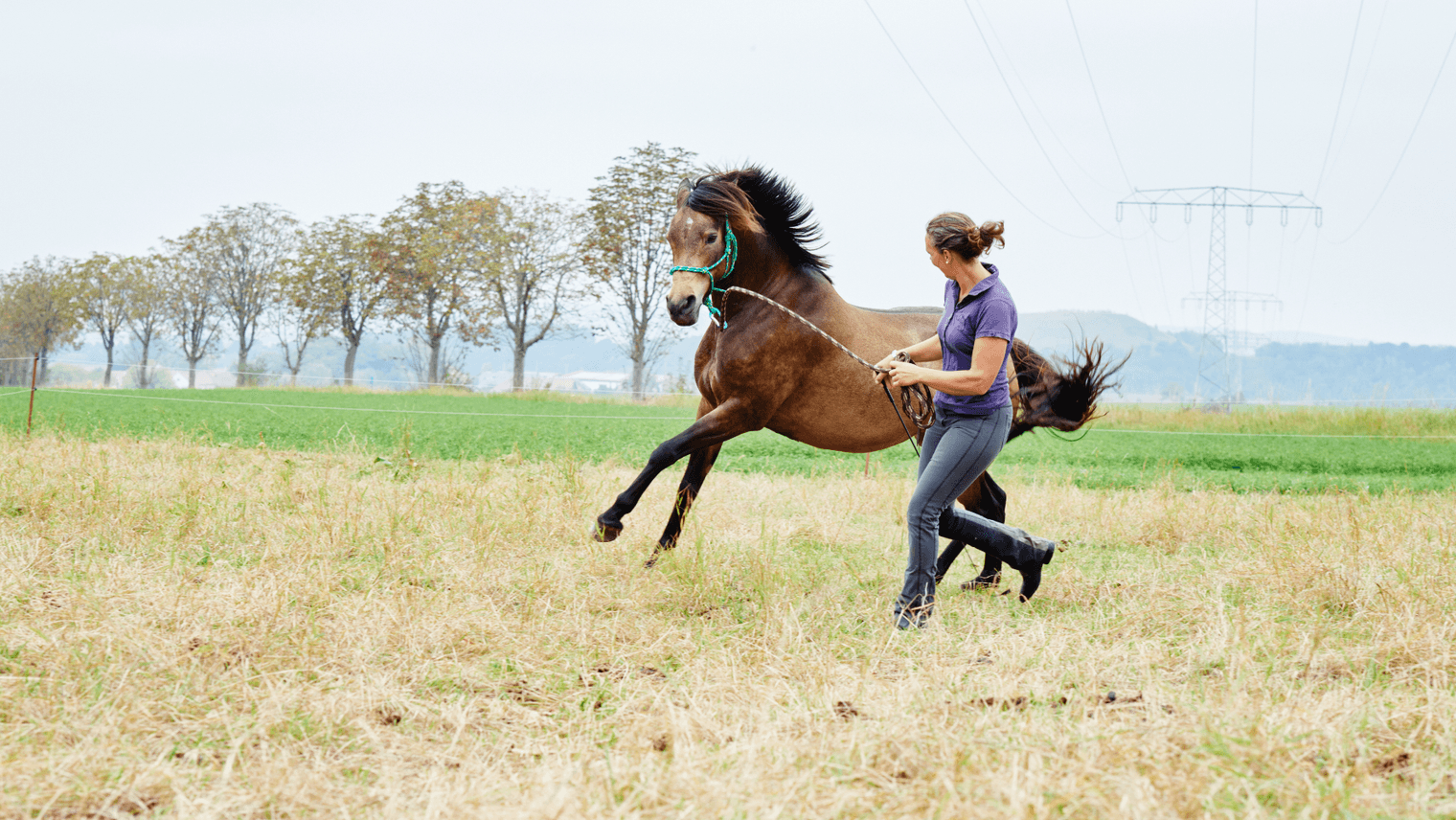
A horse's resistances are attitudes the animal adopts in certain circumstances, either out of stubbornness or out of necessity, to signal disagreement or a problem. You need to understand them in order to manage them better and smooth out the way the two of you respond to each other. Here is some expert advice.
Disordered movements
A horse in pain cannot express it as clearly as a human can. So he finds a roundabout way of saying that something is no longer as it should be. That is how he shows his displeasure or discomfort, and sometimes pain.
Every horse has his own way of operating. The animal finds a particular way of expressing discomfort, unease, pain or any other problem of the same kind. It is up to you, then, to pay attention to what he does. Broadly speaking, we tend to distinguish between expressive horses and introverted ones. If you intend to understand your horse, it is better to identify the resistance clearly.
Disordered movements are a set of gestures a horse makes when, for example, he has given up on subtlety. He may have tried everything he usually does without the rider understanding or correcting himself. So he steps things up a gear. He may throw his head in all directions or shake it. Some horses lean right into the bridle, even a good-quality one like those shown on La Sellerie Française, to free themselves from the rider's hold. Horses who do not look for confrontation prefer to perform the movement asked for as quickly as possible, or else they take off completely.
This reaction points to a discomfort the horse wants to relieve so as not to endure the pain or discomfort of that particular moment any longer. It is usually down to the pressure of your hands.
Refusing to go forward
A horse fairly rarely refuses to go forward. This resistance can be seen in all horses. Yours is likely to be used to it if he has the chance to take part in group lessons. At this point, the horse is simply telling you that he is not able to do what you are asking of him. If you pay attention, you will realise that you are asking too much of him in the precise circumstances of the exercise.
Refusing to go forward is also the expression of helplessness or of trauma in a horse. He finds himself in a situation where the only thing he can do is throw in the towel. For the rider, the important thing is to reassure the animal so that the crisis passes. If it is just a fit of stubbornness, you need to show him firmly but kindly who is in charge of the partnership.
Rearing and bucking
Rearing is an extreme that horses often reach out of instinct. They switch into their ultimate mode to get the rider to come off. If you have a very close bond with your horse and he rears, then you have good reason to be concerned. In reality, a horse cannot wish you harm, and the fact that he does something so dangerous to you means the situation is a complicated one. It may be a bad memory coming back to him as trauma. It may also be something he never wants to do again.
From the workshops
Pieces related to this guide




Also worth reading