Galop 4: syllabus, tests and preparation
As an ambitious rider, you owe it to yourself to work through all 7 galops. They open the door to the professional side of riding and allow you to enter any competition you choose. Galop 4 has its own particularities. Here is what you need to know about them.
Preparing for Galop 4
Preparing for Galop 4 covers both theory and practice. It is by adapting to every situation asked of them with their horse that a good rider gets through this stage with flying colours. It is therefore sensible to take lessons with an instructor for the season in order to get a better grasp of how it all works. With an expert on hand, mistakes are spotted quickly and the rider is given tips to improve their position or their aids on the horse at a given moment.
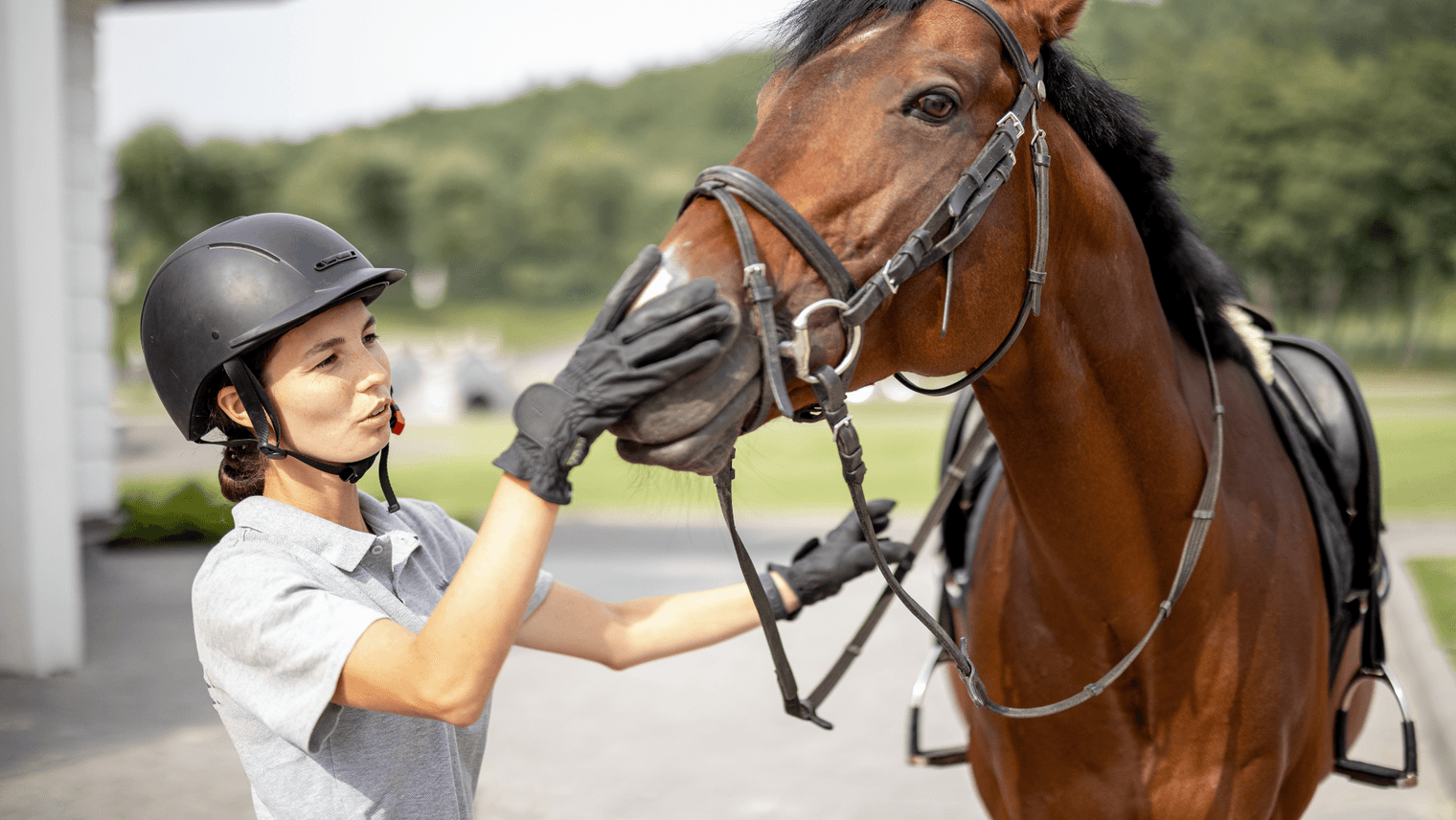
First and foremost, the rider works with the horse. They must therefore learn to give instructions even from the ground, in front of the horse, both through the bridle and through light pressure on the lead rope. In this way they reach another level of understanding with their mount. It is essential to be a good rider on a good horse. In preparation, then, they should spend more time with their horse so that the two become one on the day of the assessment and afterwards. Caring for the horse is also part of what is required in the Galop 4 tests.
On the theory side, flexion, bend, the common snaffle bits, the coordination of the aids and the safety rules are the main topics the examiner will ask about. The candidate should do their best to go back over the federation's guide or manual.
Galop 4: the assessment
On the day of the Galop 4 assessment, the rider is alone with their horse in the arena. They must tack up in front of everyone present for a section of in-hand work. The horse must be fully tacked up without a single item of equipment being forgotten. The rider must carry out the usual checks before mounting. Then, on the ground, the pair complete a course in hand, crossing small obstacles and speeding up from time to time. The aim is to show control of the horse and how far it has come under its rider.
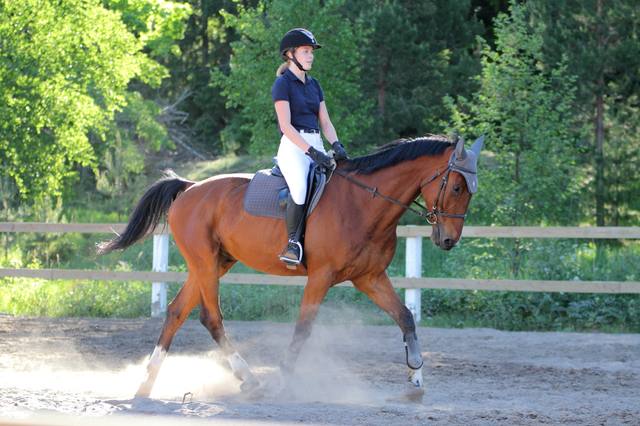
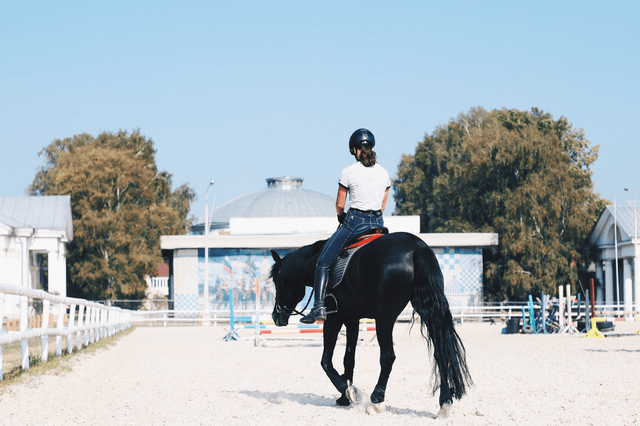
Once this stage is over, it is time to mount for the main part of the assessment. At this point, work in all three paces is required. The rider must ask the horse to change rhythm or pace at will while keeping their own position correct. They are also asked to vary the length of stride in canter. Simple but neat and logical aids are a must. The most nerve-racking part of all is the jumping round. At least 8 fences set along the course must be jumped to reach the finish within a set time. To do this, horse and rider must trust each other completely and work in harmony.
From the workshops
Pieces related to this guide
Also worth reading