Combining school and riding: comparing programmes and costs in France
Choose a school-and-riding programme by examining its timetable, support and complete budget. The phrase “sport-études” on a brochure does not, by itself, explain what is provided or who the programme is designed for.
Identify the actual arrangement
The French education ministry distinguishes school sports sections, sport-études arrangements and educational support for high-level athletes. These are specific frameworks to verify with the school, not interchangeable labels. Éduscol’s guide to education pathways for athletes
Ask for the programme’s exact name and the organisations responsible for schooling and riding. A private offer combining boarding, classes and riding must also explain its practical arrangements. Do not assume that every programme has the same entry level or specialises in show jumping.
Examine a realistic week
Request a sample timetable including travel, horse care, meals and independent study. Four advertised riding sessions reveal neither the time available for homework nor the amount of mounted tuition.
During a visit, ask about competition absences, catching up on lessons and examination periods. Identify both an academic and a riding contact. Establish what happens if a pupil is injured, changes ambitions or needs to reduce riding.
Build a full annual budget
| Item | What the quotation should explain |
|---|---|
| Tuition and boarding | Meals, weekends and holiday provision |
| Riding | Sessions, clinics and assessments included |
| Horse arrangements | School horse, shared use or personal horse boarding |
| Care costs | Responsibility for routine and unexpected bills |
| Competitions | Entries, coaching, transport and accommodation |
| Travel | Regular journeys between home, school and yard |
| Equipment | Necessary items and compulsory purchases |
Compare offers over the same number of months. Monthly horse boarding and annual tuition fees can only be combined correctly after checking the periods and services involved. Obtain a written total and the conditions under which charges may change.
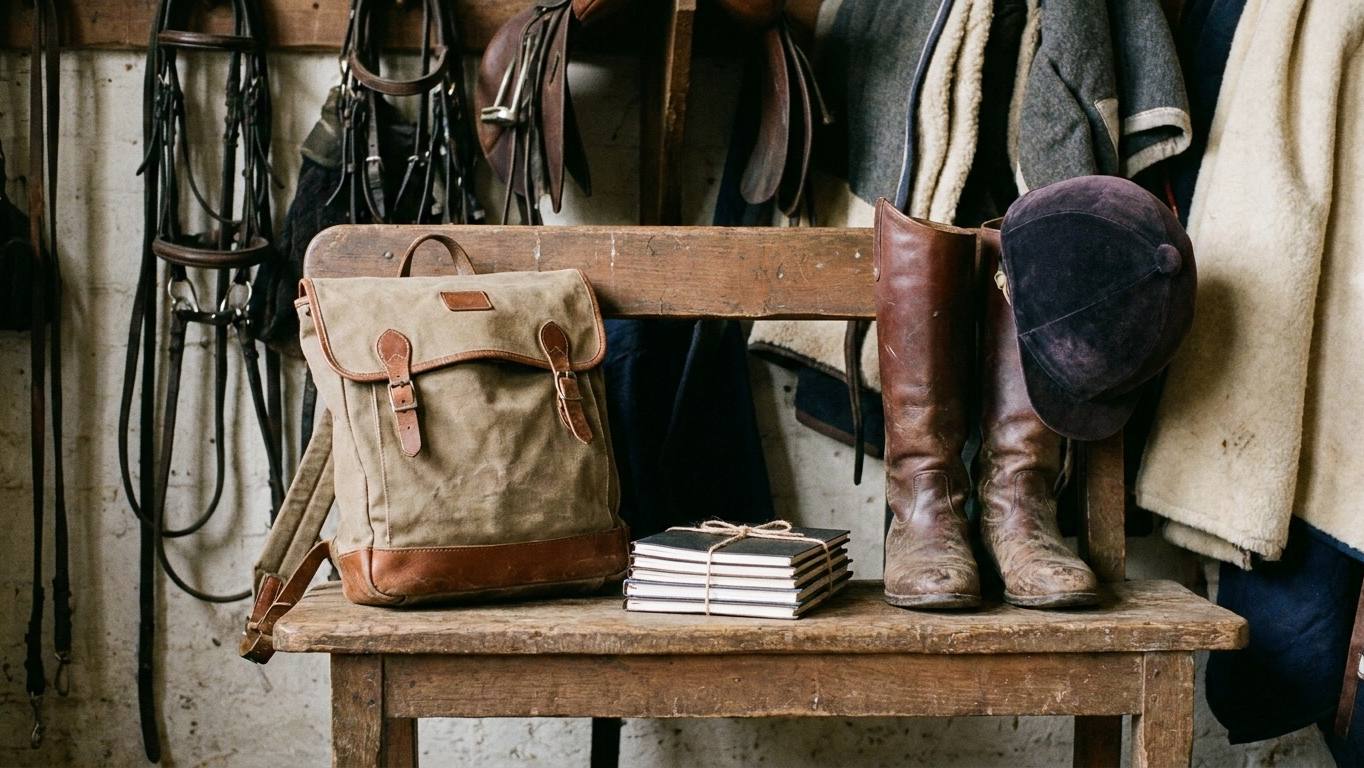
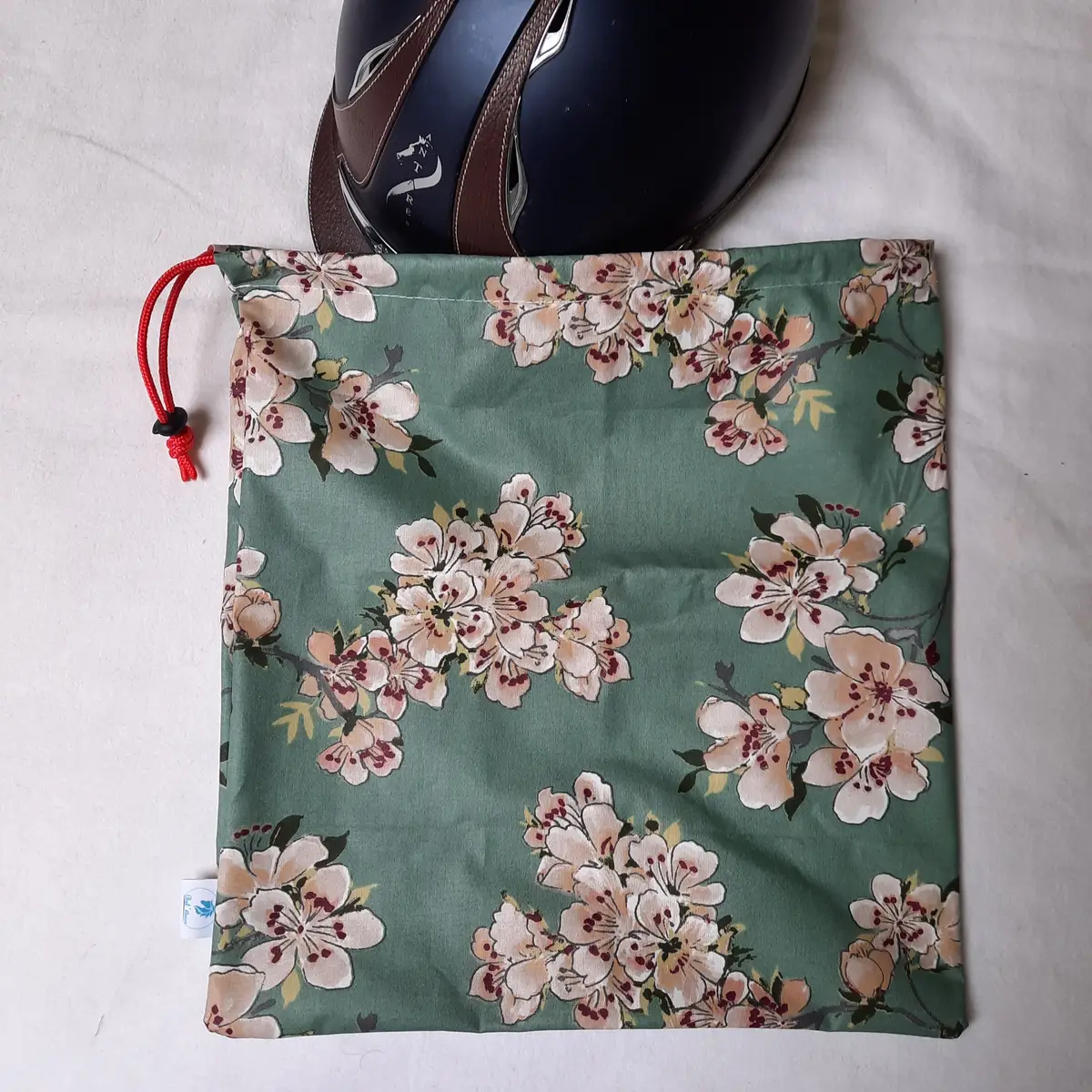
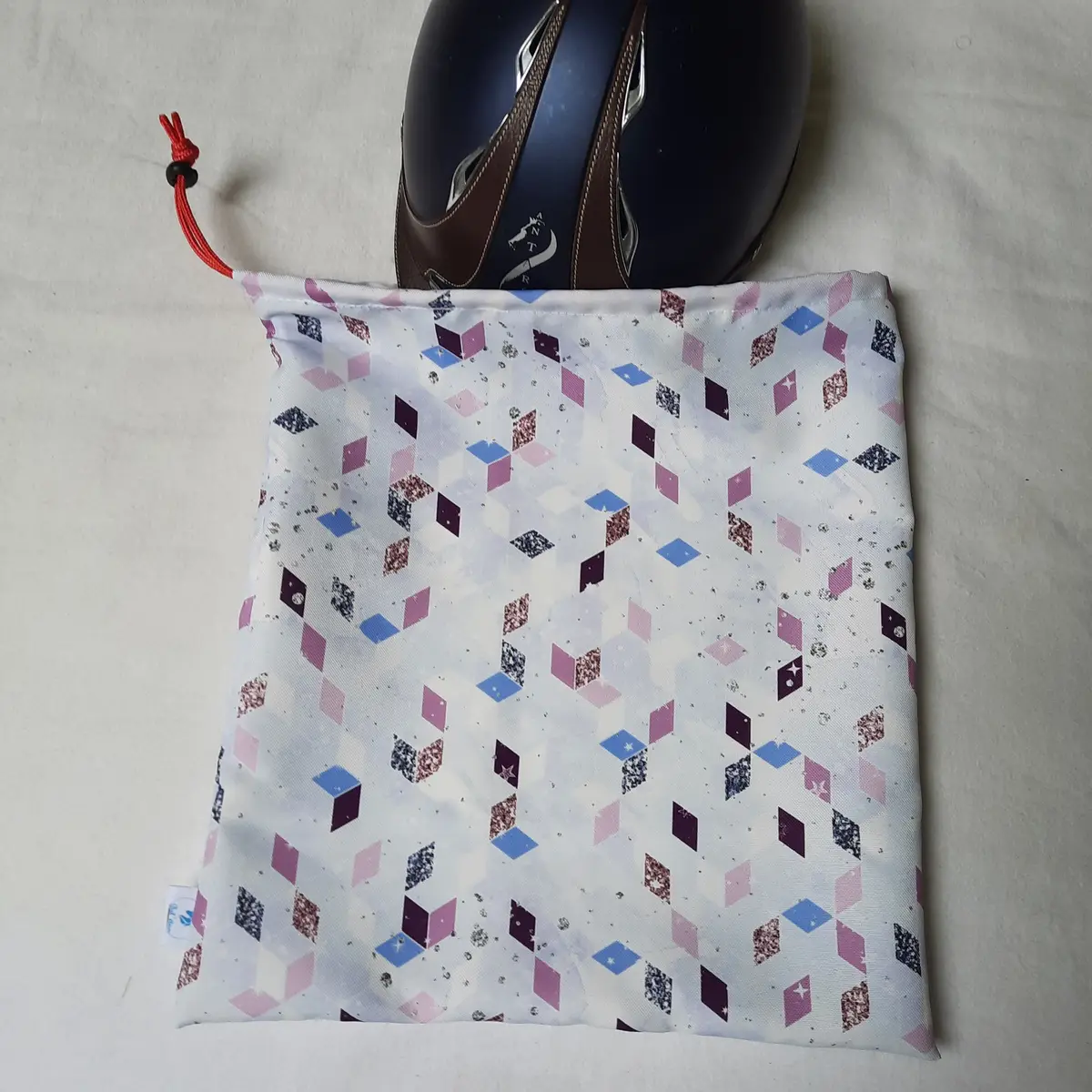
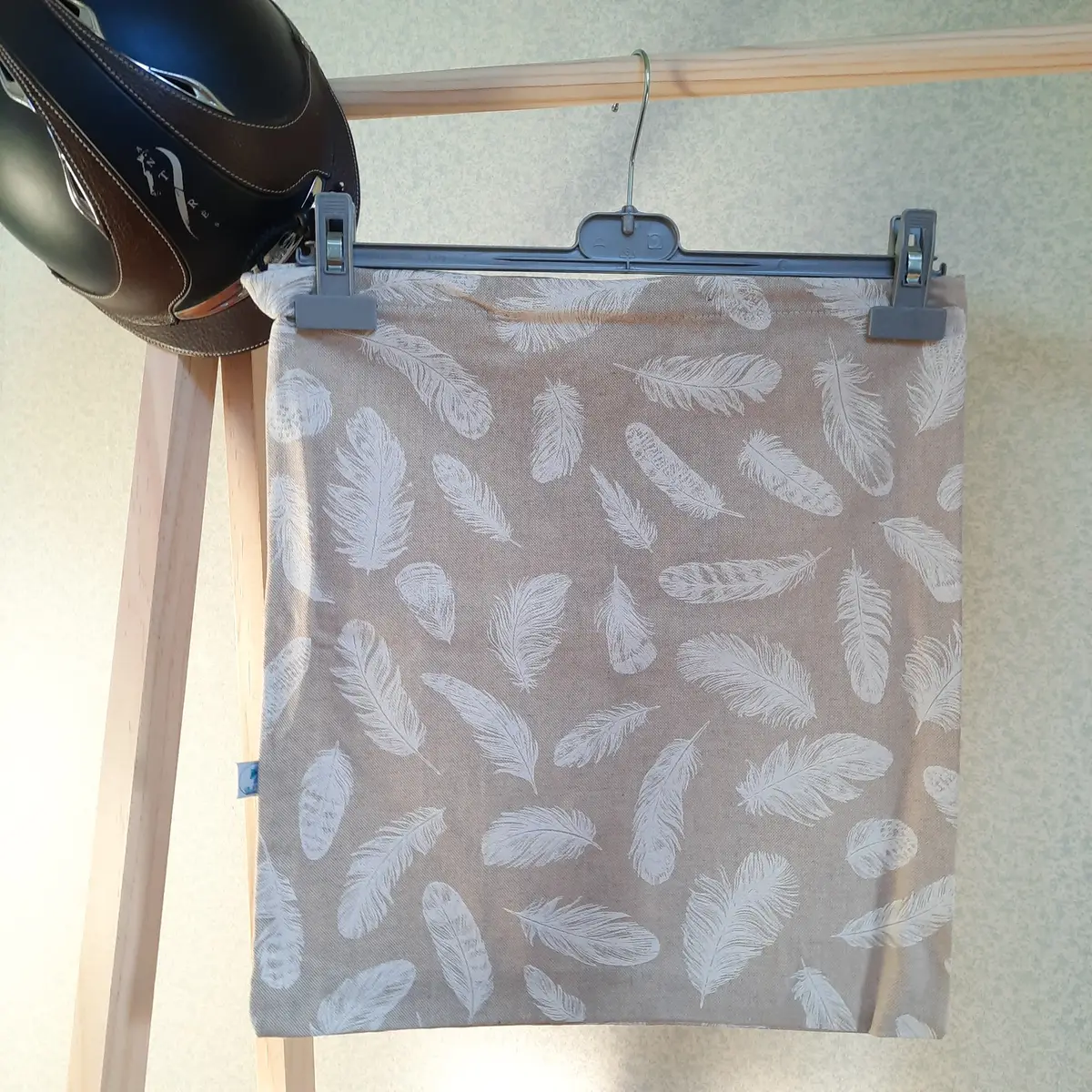
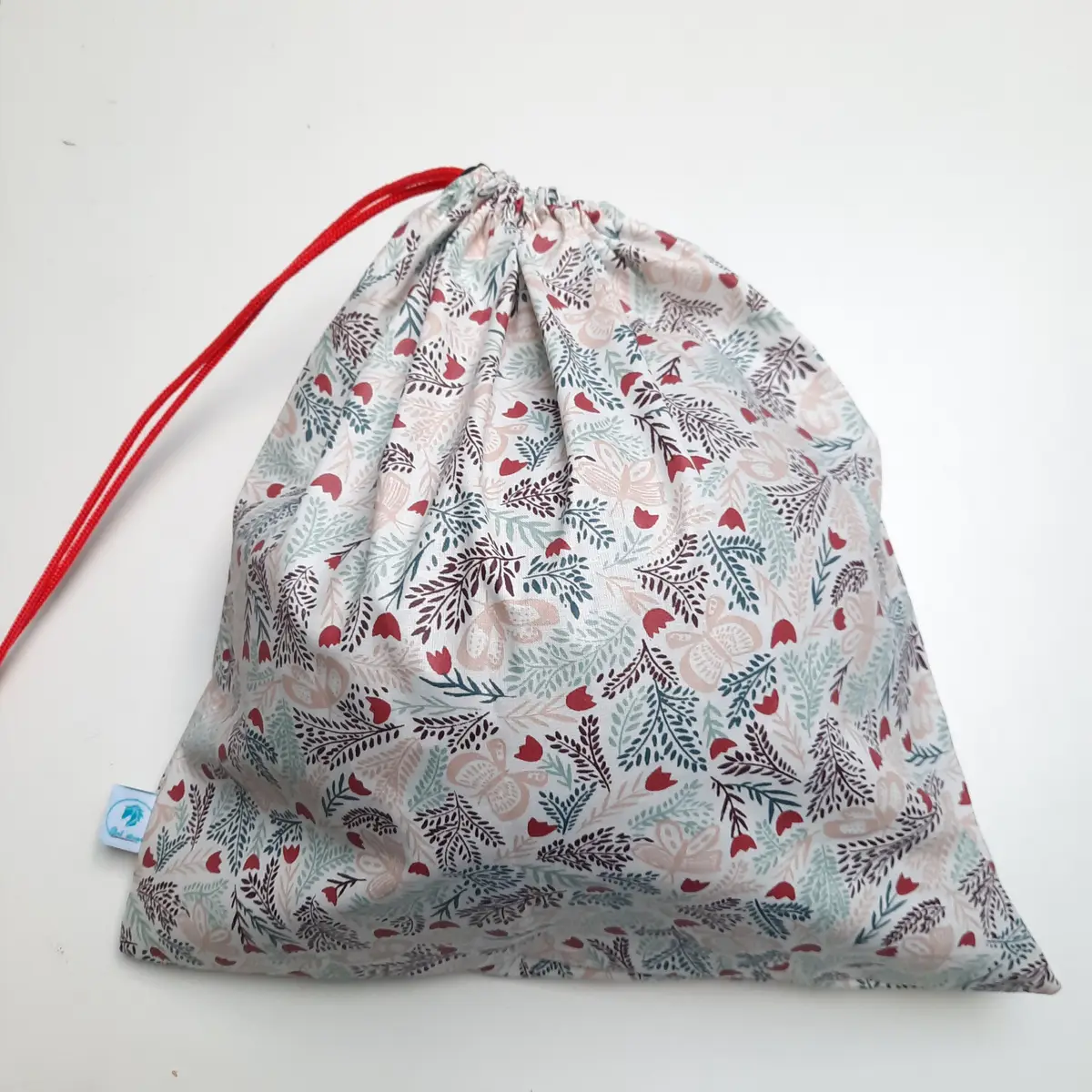
For the equipment line, start from the school’s own list and separate what is required from what is merely suggested; our guide to horse and rider equipment helps sort the two. What is genuinely needed is made by our artisans: helmets, clothing and rider equipment, made in France to last through a school career.
Make the decision with the pupil
The programme should match an interest in riding and a sustainable daily routine, not merely the appeal of a particular yard. Discuss time away from family, other interests and academic goals. An observation day can help test whether the brochure reflects everyday life.
Finally, distinguish intensive riding from a professional qualification. If the aim is a career with horses, investigate the relevant education and certification separately. A school riding programme does not guarantee employment or progression to elite competition. Keep academic choices open while assessing the sporting opportunity on its own merits.
From the workshops
Pieces related to this guide
Also worth reading