French–English riding vocabulary: useful words at the yard
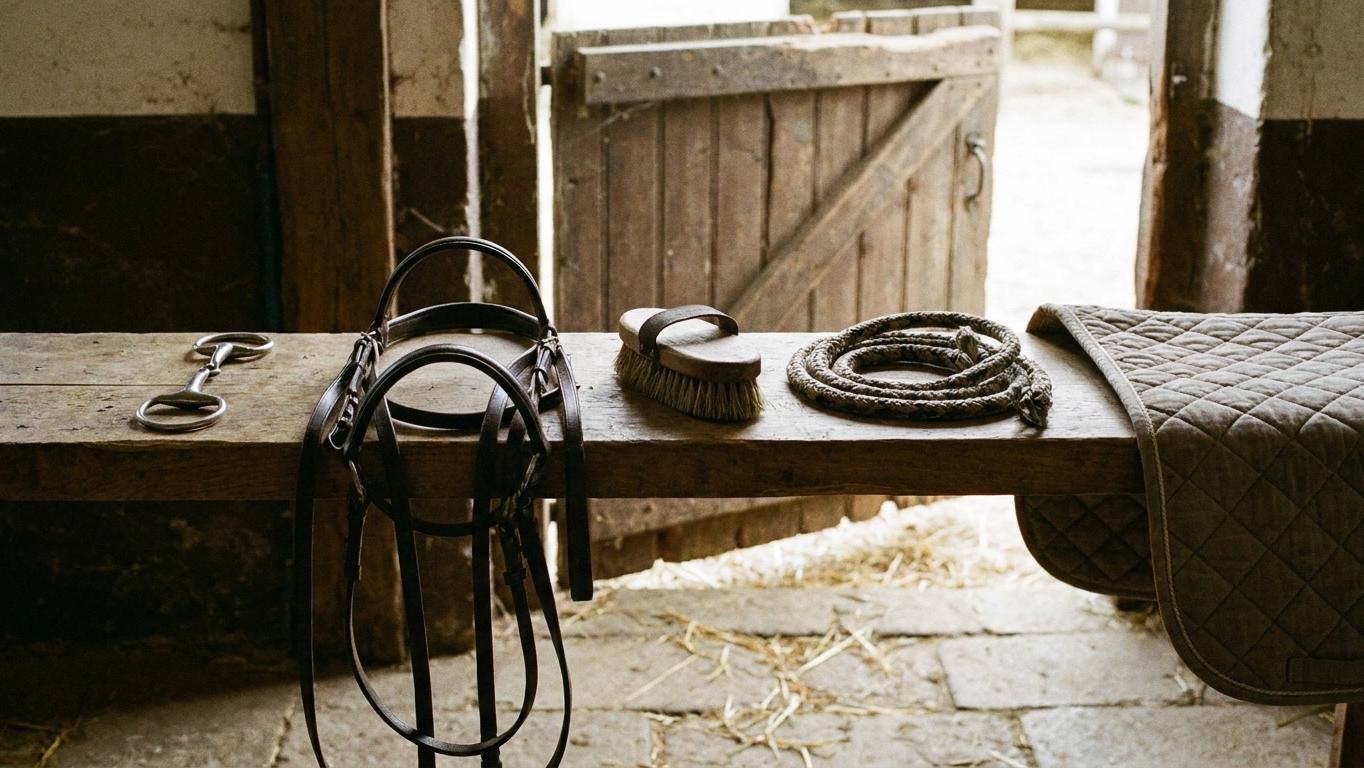
When booking a lesson abroad or describing tack, begin by naming the object or action precisely. A literal translation is sometimes misleading: the same French word can refer to equipment, a movement or a riding qualification.
Horse and tack vocabulary
| French | English | What it identifies |
|---|---|---|
| Selle | Saddle | The saddle as a whole |
| Sangle | Girth | The strap securing the saddle |
| Étrier | Stirrup | Distinct from its leather |
| Étrivière | Stirrup leather | The strap supporting the stirrup |
| Rênes | Reins | Distinct from a lead rope |
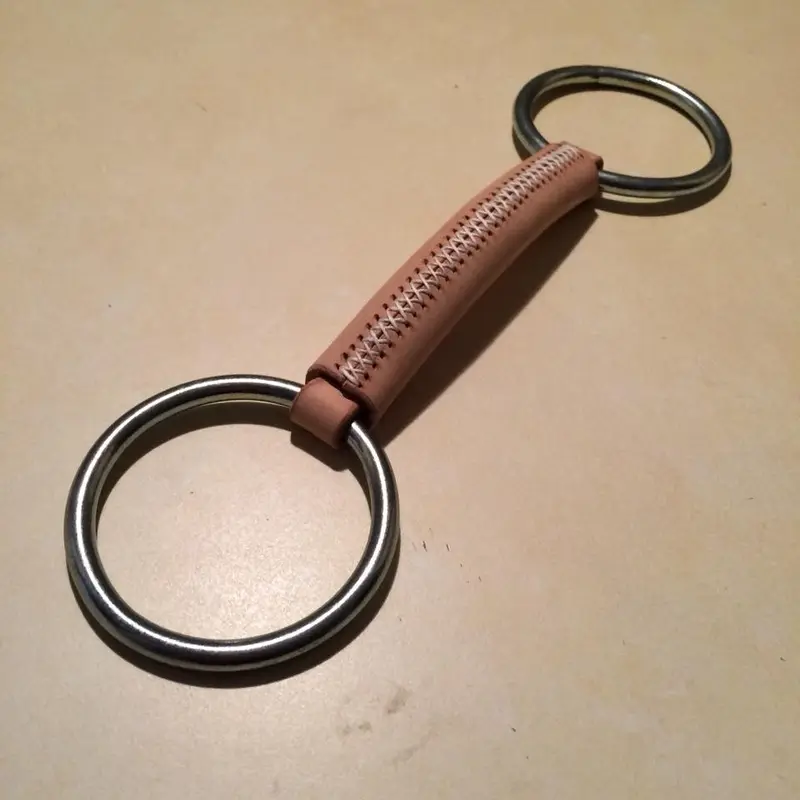
| Mors | Bit | The piece placed in the mouth |
| Bridon | Bridle | Headgear used when riding |
| Licol | Headcollar / halter | Headgear for handling |
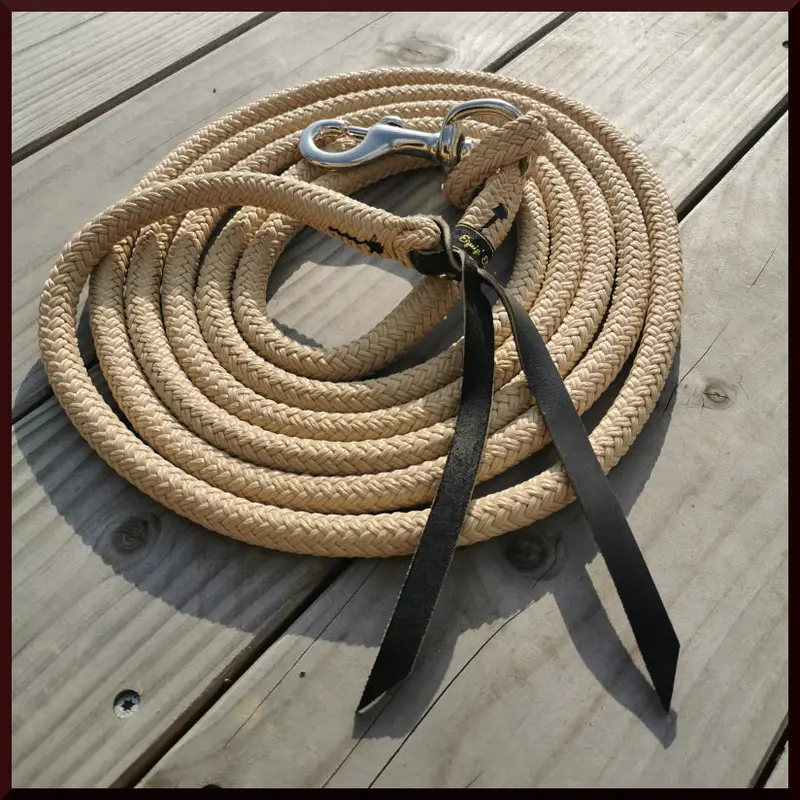
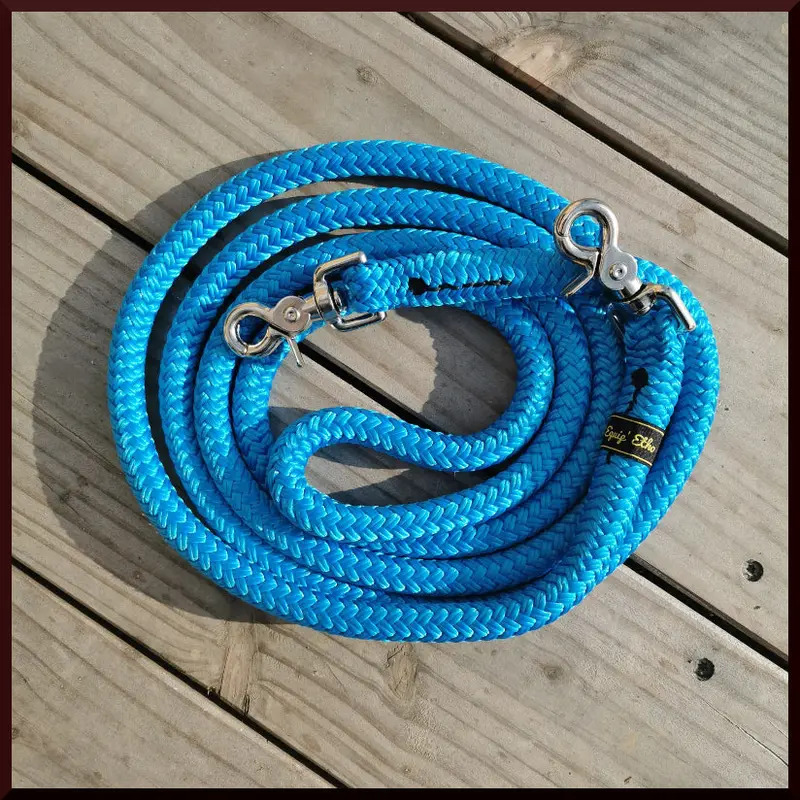
| Longe de conduite | Lead rope | Used to lead in hand |
| Garrot | Withers | An anatomical landmark |
| Sabot | Hoof | Plural: hooves |
These selected terms help identify an object. For more specialised vocabulary, the IFCE French–English glossary groups entries by activity.
When ordering equipment, add the model, dimensions and a photograph where useful. “Bridle” alone does not specify the bit or configuration required. Do not order a complete French bride simply because the word looks familiar in English.
Understanding lesson instructions
Walk, trot and canter correspond to pas, trot and the galop used in ordinary school exercises. Halt means arrêt. Rising trot means trot enlevé, while sitting trot means trot assis. These English terms appear in the BHS Stage 1 syllabus.
France’s “Galop 1” is the name of a qualification, not an instruction to canter. When booking, explain your recent riding experience and what you can do rather than attempting to translate the qualification as a gait.
Three phrases for lessons in France
- “Pouvez-vous me montrer ?” means “Could you show me?”
- “Pouvez-vous parler plus lentement ?” means “Could you say that more slowly?”
- “Je n’ai encore jamais fait cet exercice” means “I have not done this exercise before.”
Learn these before memorising a long list of disciplines. If you do not understand an instruction, tell the instructor instead of guessing at a technical action.
Make a personal vocabulary notebook
After each lesson, record five words you actually heard, the context and a short example sentence. Ask your instructor to confirm terms describing a technical action. A small vocabulary connected to your own lessons will be easier to use than a long list you have never encountered in practice. Keep equipment names separate from instructions so that you can find either quickly before your next visit.
From the workshops
Pieces related to this guide
Also worth reading