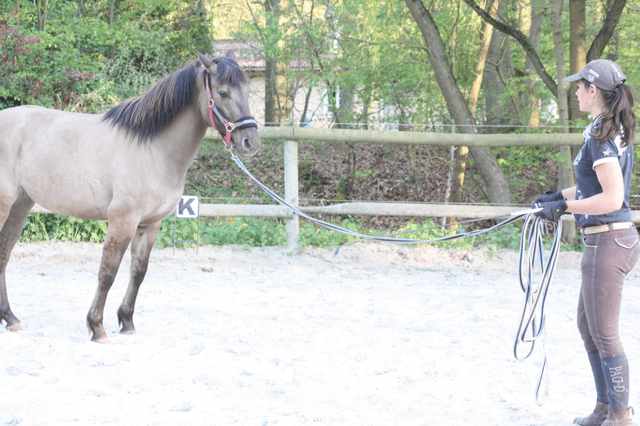
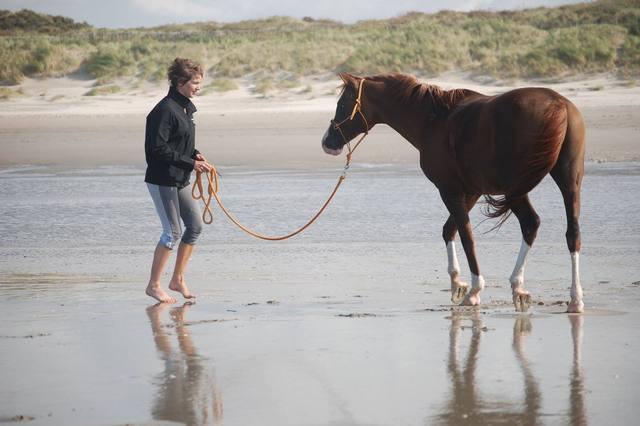
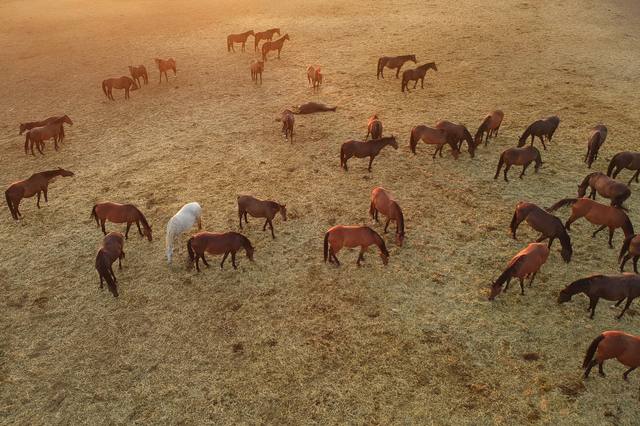
10 good reasons to do groundwork with your horse
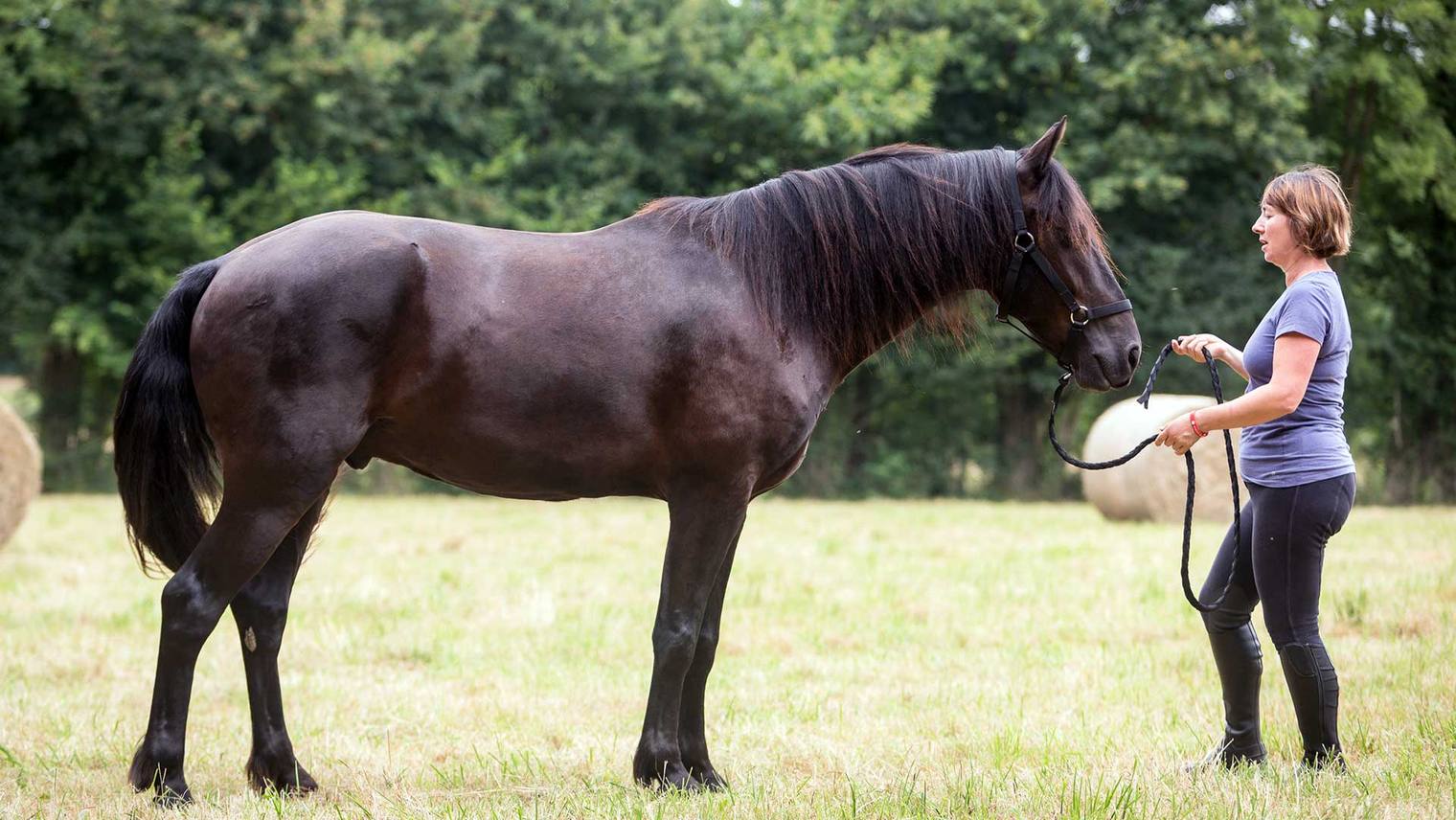
Groundwork makes up a large part of the exercises that rider and horse end up doing, whether at amateur or professional level. Both get a great deal out of it. Here are a few details.
The specific reasons
Doing groundwork with your horse is, in principle, the rider's decision. The idea usually comes first because the rider notices that the horse is falling into a rut from always carrying him on his back and no longer wants to leave the stable. To help him stretch his legs so that he isn't shut in all day, groundwork is the ideal way.
For the horse, this is also the best opportunity to do something new. Since he is working off steam without a rider on his back, he can try out certain movements at his owner's command. From this point on, the horse can also perform movements that are not only new, but straightforward.
For the rider, the main reason for doing groundwork with his horse is learning a new kind of contact with him. He now knows just how talented his horse is and respects him more for it. He becomes aware of how much the horse's willingness matters in the work they do together. At the same time, he takes the chance to sort out any problems that come up in ridden work.
The shared reasons
Groundwork also benefits both partners at the same time. To begin with, they learn to trust each other. They follow one another because they feel they understand each other, that they deserve each other, that each is worth as much to the other as the other is to him. This trust allows the rider to put his life in the horse's hands, and the horse does everything the rider asks without hesitation. From there, a real partnership grows out of their constant collaboration. Riders are then able to perform movements without anyone else noticing the aid or the cue that triggered them.
From that moment on, everyone notices how much control the rider has. His horse will do anything and everything at his command, for the simple reason that he recognises him as his owner and his friend. Whatever the obstacle, the two of them get over it together.
This doesn't mean a mad rush or forcing the pace of progress. The rider knows his horse better thanks to groundwork and can recognise when he is frightened, where his limits lie and what his intentions are.
Groundwork is therefore the best time to set the rules gently. Each shows the other where his limits are and how far he is prepared to go for him. With these rules in place, the rider knows what to forbid others around him and what sort of environment to work his horse in. At the same time, the horse knows when he is pleasing his rider and how far he can let off steam when they are together.
From the workshops
Pieces related to this guide
Also worth reading