From weaning to backing
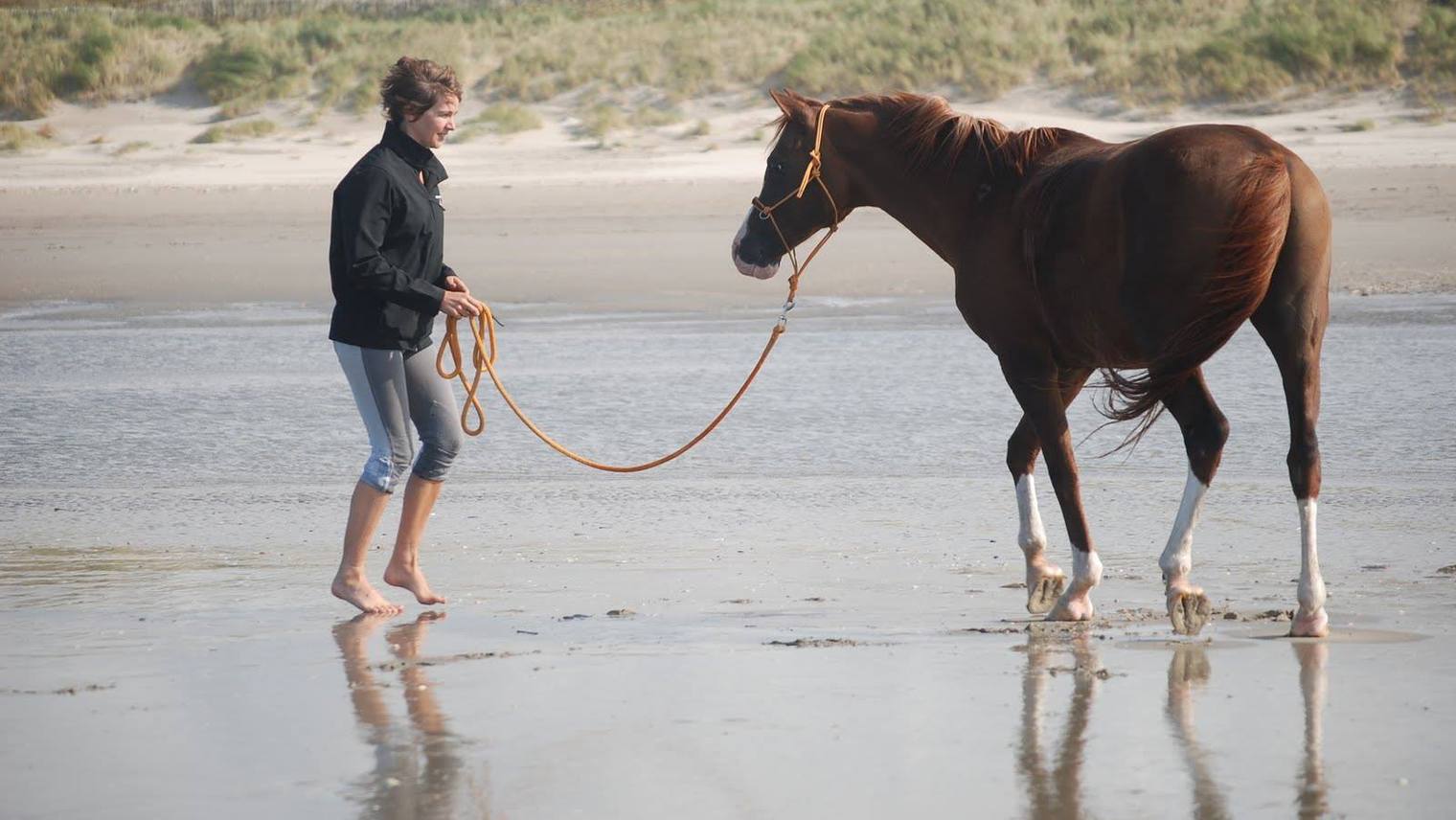
From weaning to backing, the foal has to adapt to a new diet, form a bond with people in order to build mutual trust, and carry on developing both physically and mentally.
After weaning
From 6 months to 3 years, the foal learns to accept the various pieces of tack available from La Sellerie Française. It learns to work with people in order to refine its responses. Suitable facilities and qualified staff are essential. The practical set-up will depend on the number of animals, the type of breeding operation chosen and the land they live on. A specific, individual strategy can then be drawn up to meet the production goal you have set.
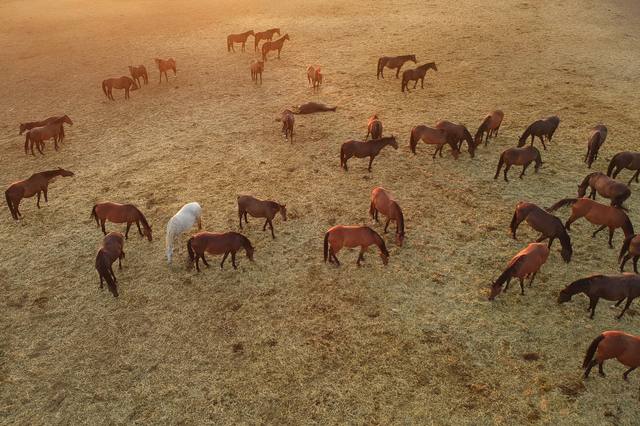
Separate colts and fillies from the age of 10 months. From the first winter, colts stand out through rougher play: fighting, biting, mounting. Sexual instinct appears in fillies from the end of the first year. Wherever possible, it is best to keep youngstock out at grass in age groups. During the first winter, keep an eye on space, shelter, water supply, the state of the fencing, the animals' behaviour and their social interactions, particularly access to food (hay, hard feed) and to shelter.
Backing
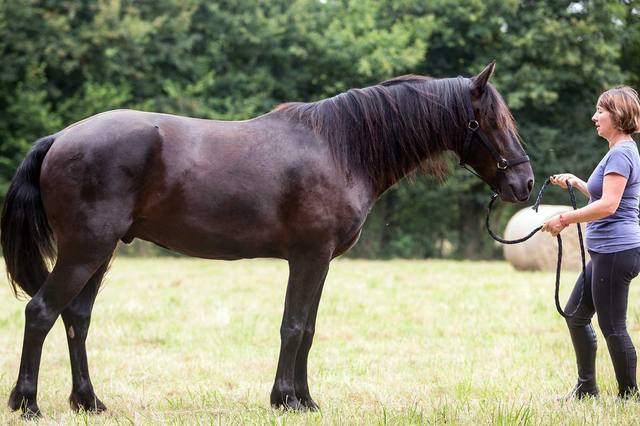
A foal that is used to the halter, that is held and led in hand, groomed, tied up, loaded and unloaded calmly and that picks up its feet is already half backed. Depending on its breed, a foal will be backed at different ages. It is early for racing breeds (12 to 18 months) and generally later for other breeds (around 2-3 years). Everything is much easier if conditions are favourable: having time and knowing how to manage it, choosing the site and the equipment to use, controlling the space, and monitoring the horse's physical and mental state.
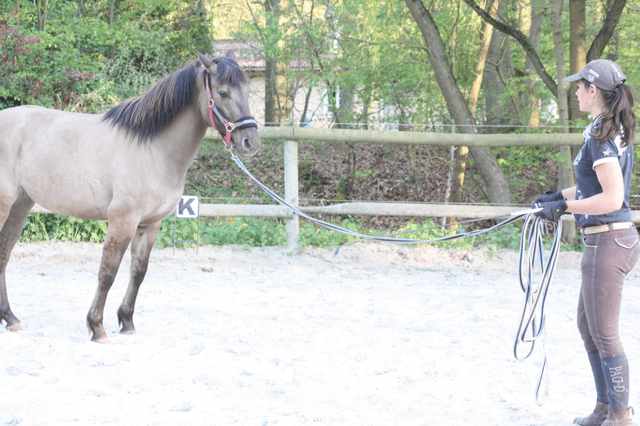
The programme must be tailored to each horse as it gradually learns to recognise voice commands, judge distances and heights, and understand what the aids mean and how they are used. Each of these stages should be completed in order before moving on to the next. Each stage must be worked evenly on both reins and in all three paces.
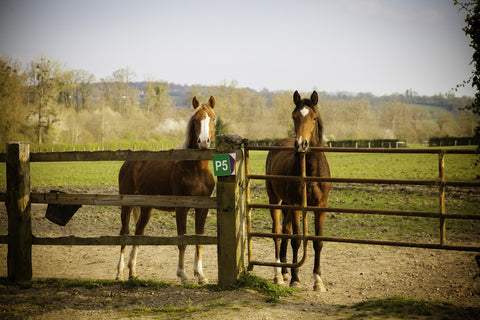
Pitching the sessions
The intensity and length of the exercises asked for depend on the handler's experience and on the young horse's general condition. Make sure the horse becomes accustomed to the methods used, and check methodically what was learned in previous sessions.
The mental side
It is important to reward the foal properly every time it responds well to what is asked. Work should be broken down into sessions of no more than half an hour, as a young horse can only concentrate for short periods: "ask for little, reward a lot".
If the backing stages have been handled well, the young horse should be physically well developed and pleasant in character. It will then be receptive in the stable and during work, sure-footed over varied terrain and small fences, obedient to changes of direction and pace, and regular and active in all three paces.
Handling this period from weaning to backing well does much for your stud's reputation and is a considerable asset when it comes to selling your youngstock.
From the workshops
Pieces related to this guide
Also worth reading