Everything you need to know about groundwork
For any rider worth the name, the finest skill is being able to move in harmony with their horse. This kind of work calls for a thorough knowledge of the equestrian world. If you want to give it a go, read on.
The groundwork before the groundwork
For groundwork to succeed, there has to be a certain bond between horse and rider. That means putting in the hours beforehand, with plenty of care and attention. It is mainly by pushing your own motivation to its limits that you give your horse the foundations it needs to be as good on the ground as it is under saddle.
The first steps in groundwork involve working with your horse in person. You need to start by finding the time and a horse that suits you. That is the basis on which you build your working relationship. Another preliminary for a horse in groundwork is taking charge of it. Once the horse has been chosen, it is then up to you to look after it. That covers everything from feeding to care and tack or clothing. Finally, for work over the long term, the rider needs good timing, good balance and must pay attention to everything the horse does.
The essential equipment
Groundwork is an essential exercise for every rider with ambitions in the equestrian world. Professionals, amateurs and beginners alike can simply meet up at a racecourse and enjoy themselves while motivating their mount.
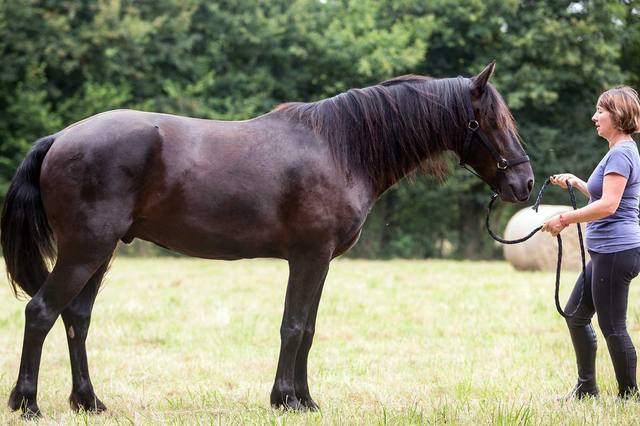
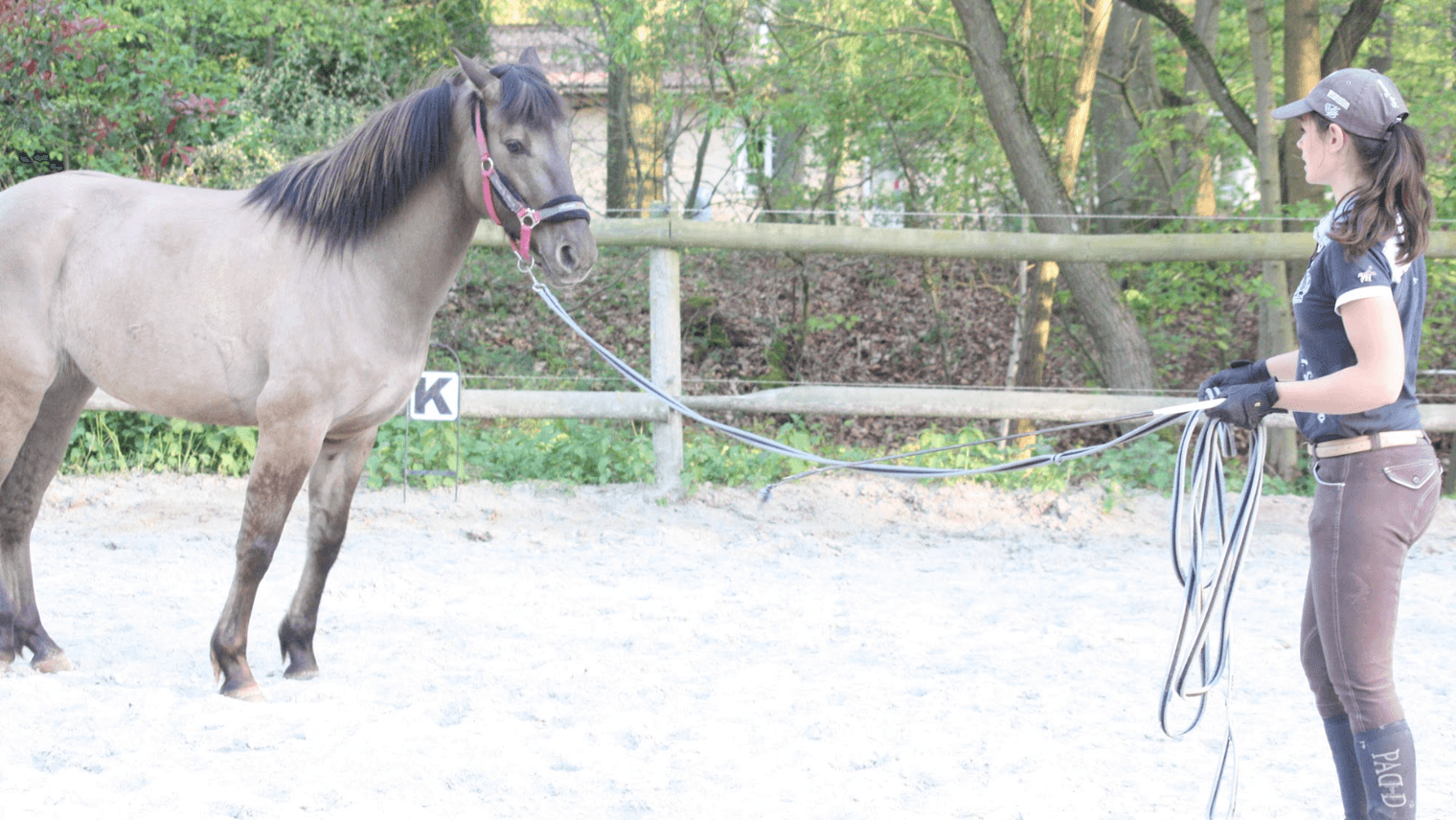
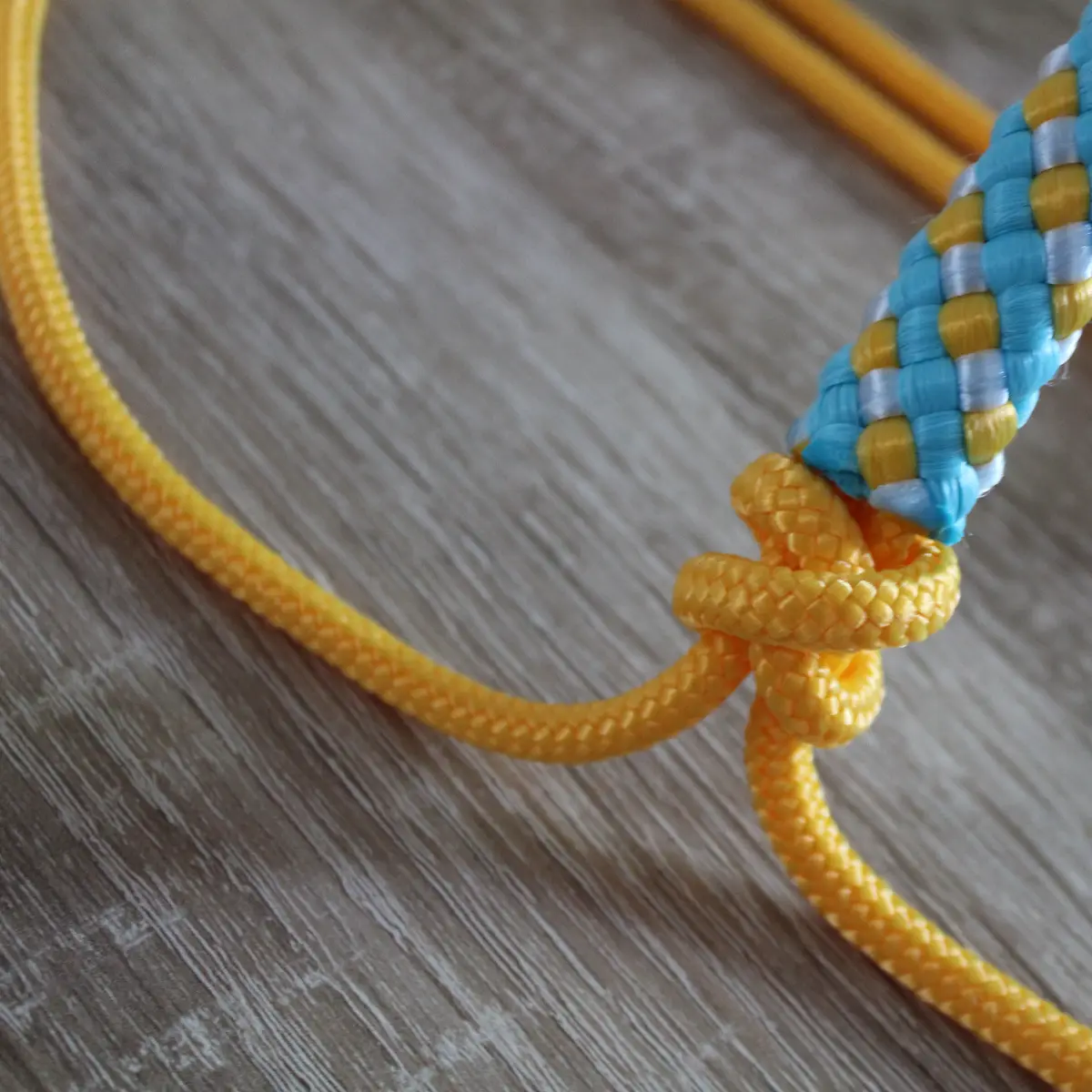
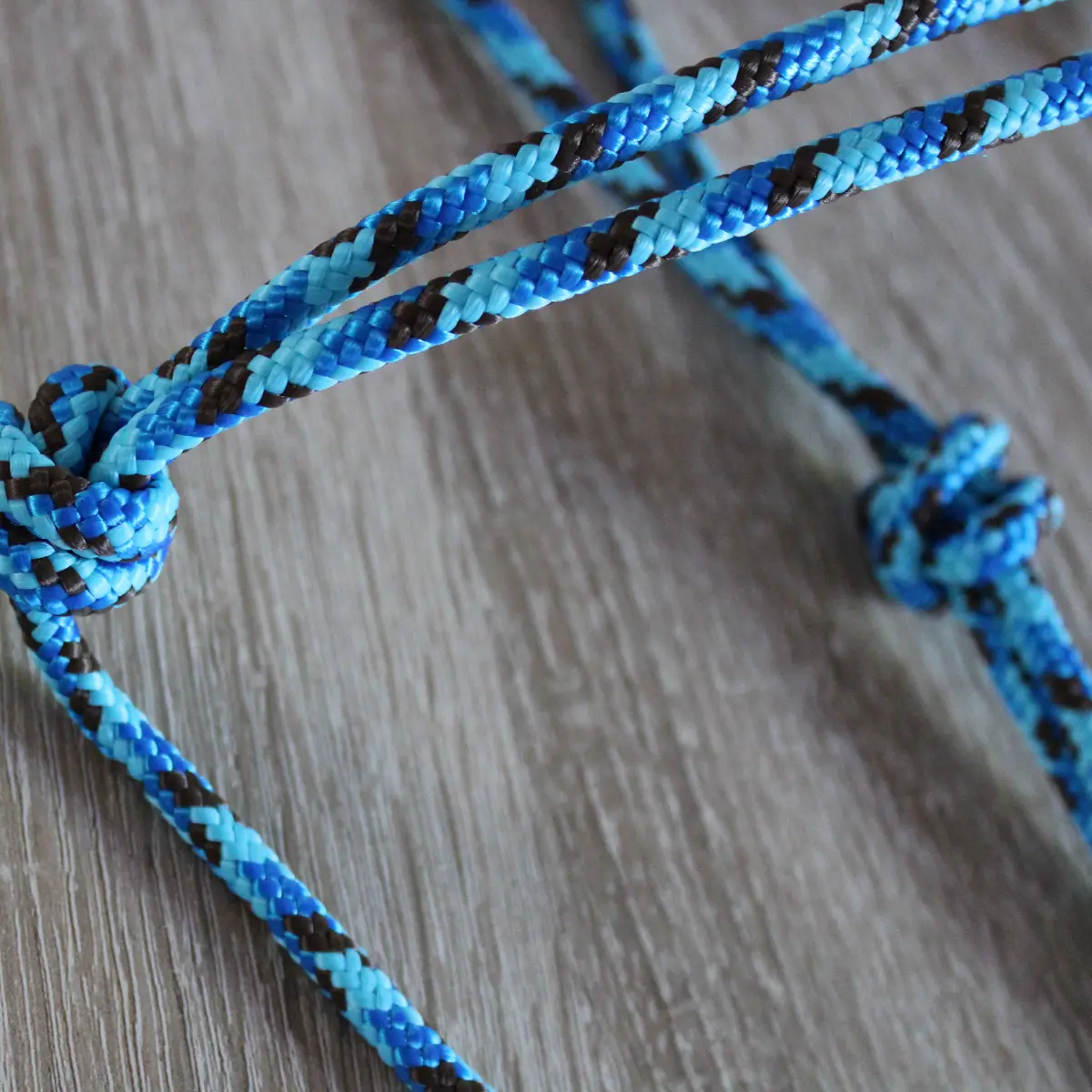
The main piece of equipment, the halter, is designed to make communication between rider and horse easier. A plain flat halter is better suited to a beginner than a rope halter. Simply fit it tightly enough not to bother the horse, and loosely enough not to cause serious injury if strong pressure is applied.
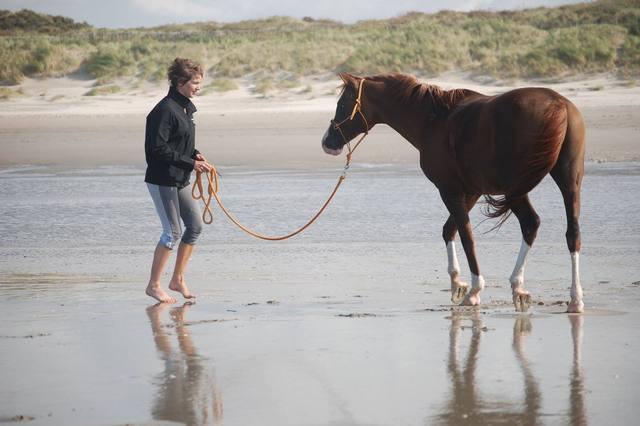
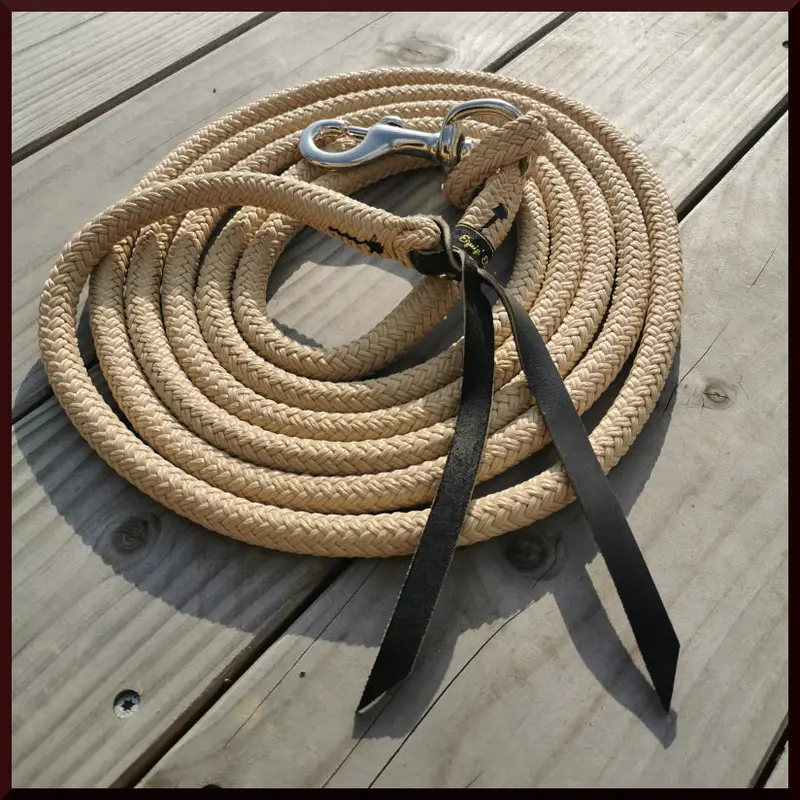
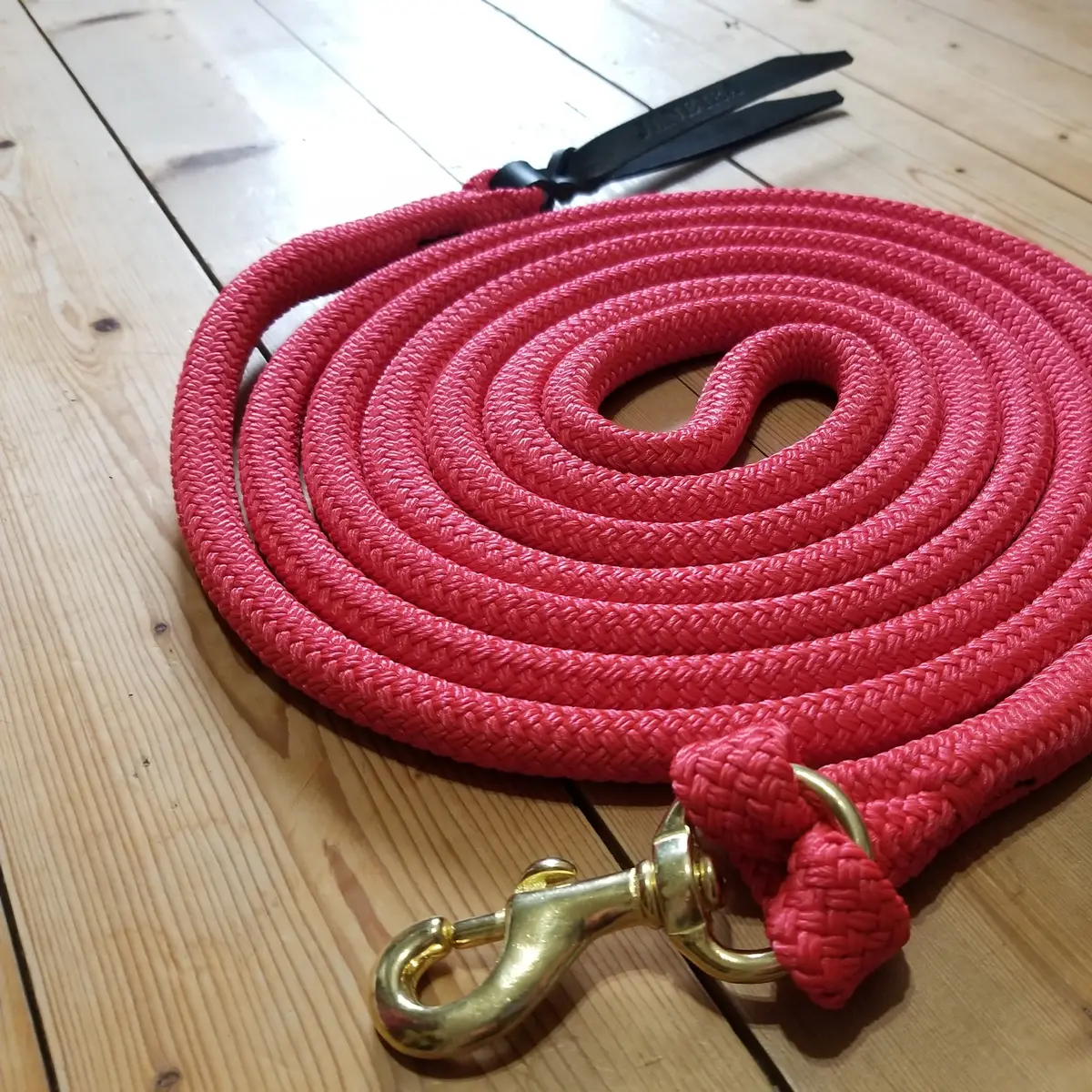
The other piece of equipment, the long lead rope, acts as the link between the halter and the rider's hands. It is by pulling on it slightly that the horse receives its instructions. At the other end, the lead rope stays in the rider's hands. Indeed, it is from the way the rider holds the lead rope that the horse recognises the next activity or exercise.
A good-sized yard with quality facilities is the right place for quality work. So you should check the facilities and the professionals' qualifications before taking your horse there for groundwork.
The exercises you can do
Groundwork exercises are plentiful in official documents and in the training syllabuses for the various Galops, as well as for competitions. In principle, the movement of the horse's hindquarters is the first thing to improve. Steps to the left and right and jumping fences are also among the priority exercises. These are the elements that largely allow you to work through all the Galops and eventually move on to becoming a professional competitor.
From the workshops
Pieces related to this guide
Also worth reading