Riders' own obligations
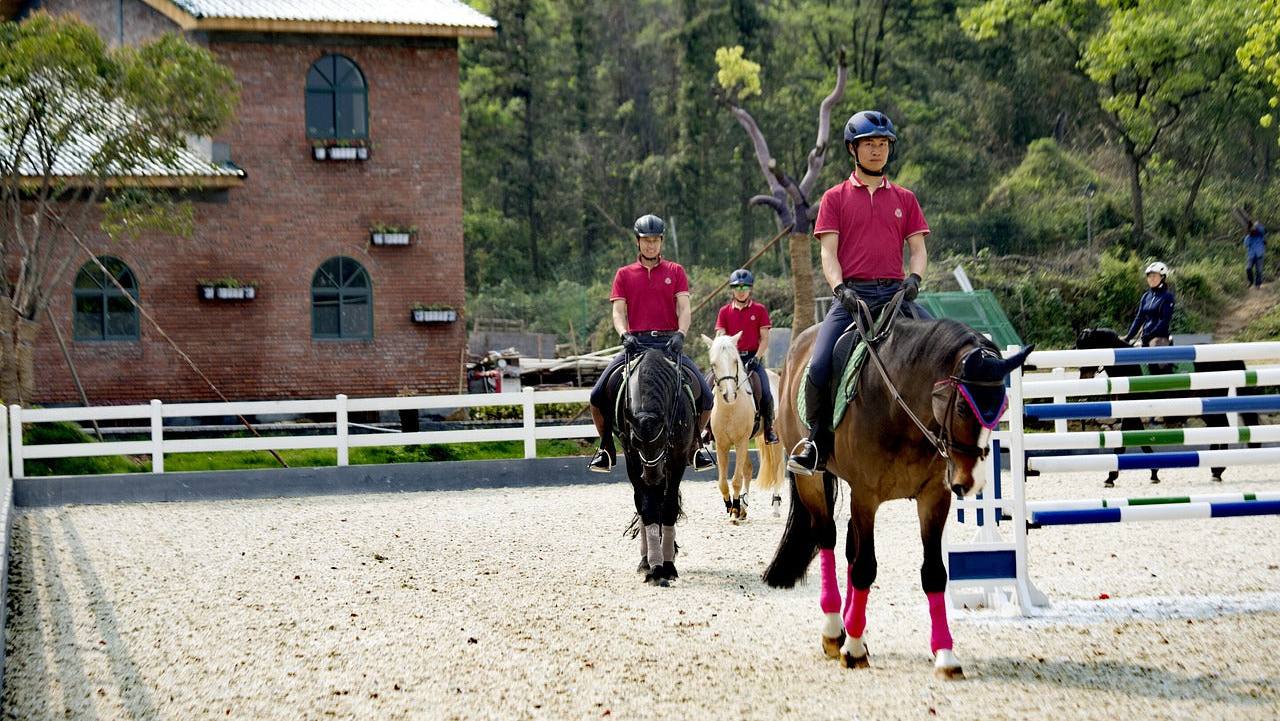
As a rider, there are many obligations to bear in mind when taking part in the sport. These obligations are what keep order in equestrian practice and allow new riders to come through, each more talented than the last. Here is an overview of the obligations that apply specifically to riders.
Compulsory practices for riders
To ride alone on the public highway, a rider must be at least 14 years old (art. 8.2 § 4 of the RGCR). From the age of 12 they may ride on the road if accompanied by a rider aged at least 21 (art. 3 of the AR of 25/03/1987). Article 55.4 of the RGCR also allows riders to ride two abreast on the carriageway. However, out of courtesy and for safety's sake, it is advisable to move back into single file when a vehicle approaches.
As a rule, riders and their horses may not use cycle paths or pavements. Unfortunately, a dangerous situation may leave the rider with no choice, in which case they must check that there are no pedestrians or cyclists before moving onto them. Likewise, outside built-up areas, riders may use the verges provided they do not put other road users in danger. Riders must pay particular attention to the signs that concern them, such as those barring certain paths to horses. They may not ride on routes reserved specifically for other users (motor roads and so on).
When at least 10 riders are riding together, a group leader aged at least 21 may be appointed. They must wear on the left arm an armband in the national colours arranged horizontally, with the words "group leader" written in the yellow band. Where there are no traffic lights, the group leader may hold up traffic to help the group of riders cross at a junction. To do this, they must carry a disc showing signal C3. Beyond this disc, La Sellerie Française offers a wide range of accessories that professional riders love.
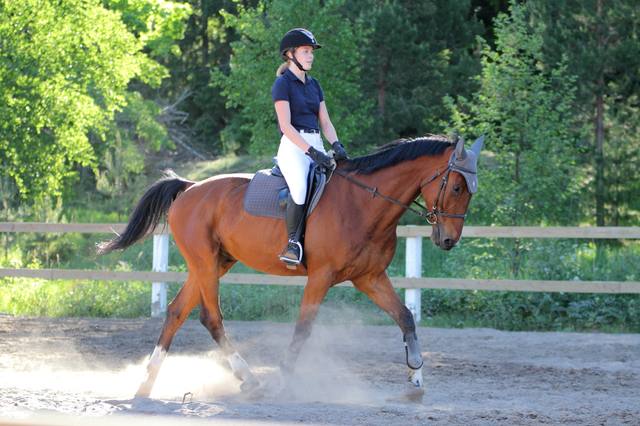
Wearing a riding hat is compulsory. Riders must be visible in all circumstances. Riders are advised to wear a high-visibility vest when going out hacking, in case they are caught out by a storm or by nightfall. There are also reflective bands that the rider can fit to the horse's legs and tail.
Safety and courtesy rules
Besides legal obligations, certain safety and courtesy rules can be applied when out on the roads. For example, the rider should bring the horse back to walk when approaching a group of pedestrians, stay on permitted paths, avoid riding across fields or fallow land, and leave enough room when passing a parked car, and so on.
As a safety measure, it is also inadvisable to work in faster paces on tarmac or on rutted tracks. In such difficult conditions the horse may stumble and fall, crushing its rider in the process.
From the workshops
Pieces related to this guide

Also worth reading