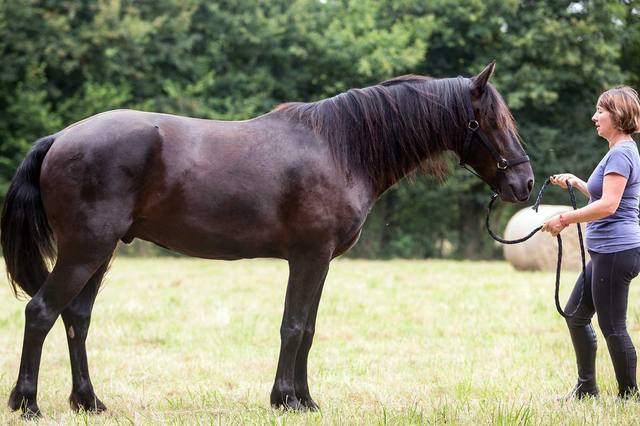
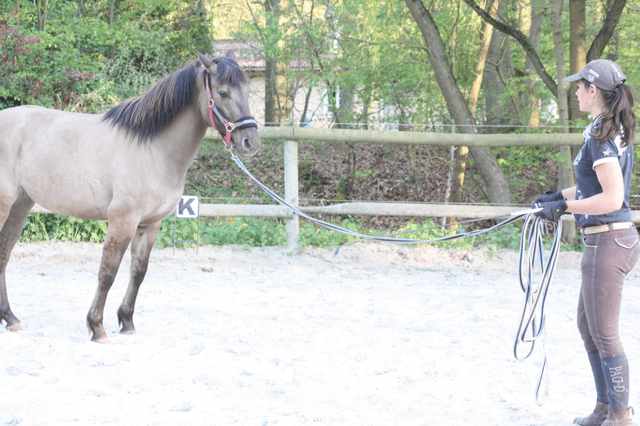
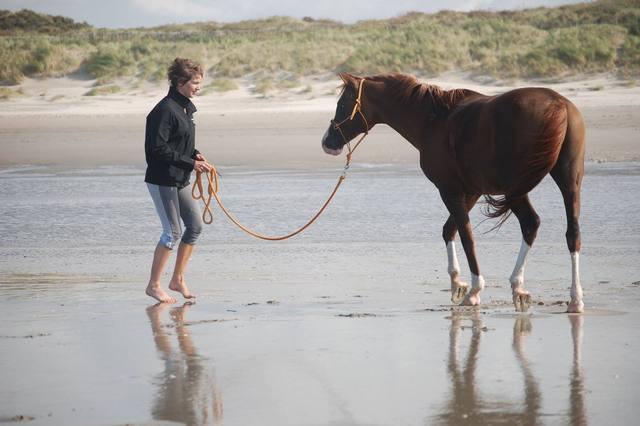
What is groundwork?
Even today in Belgium, France and elsewhere, groundwork is an activity that suffers from an amateurish image, or that of a second-rate pastime reserved for riders who are still afraid to get on their horses. So what exactly is groundwork? Let's take a look in this article.
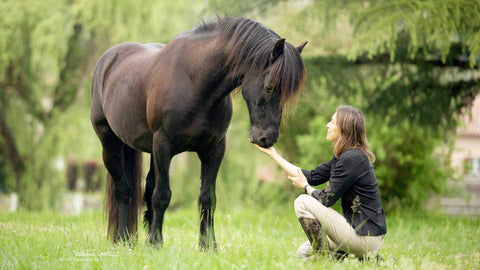
What does groundwork actually involve?
Groundwork is first and foremost a channel through which you can speak directly to your horse's mind. The aim of the practice is to develop a highly refined, calm and healthy form of communication between horse and human.
Here is another way of understanding groundwork. You and your horse do not speak the same language. That being so, hoping to become great champions together without being able to talk to one another is rather absurd, even surreal.
Just imagine any athlete whose coach gives them instructions every day so they can improve their physical and mental performance. The snag is that the coach speaks German while the athlete only speaks French.
Worse still, neither of them speaks any other language. Of course, they can manage to understand each other roughly by using gestures. But the subtleties that matter for genuine cohesion will be lost. One of the two will have to learn the other's language, or a translator will have to be brought in.
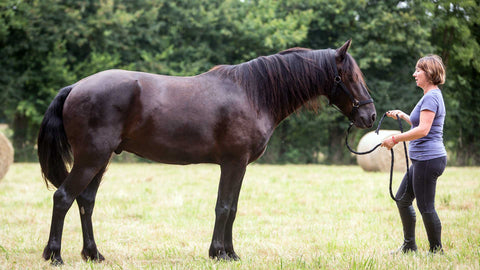
What is the role of groundwork?
Groundwork establishes a shared language between the horse and its trainer. You do not speak the horse's language and the horse does not speak human languages. Working from the ground, you can use the magic of body language along with the laws of learning to build a common language.
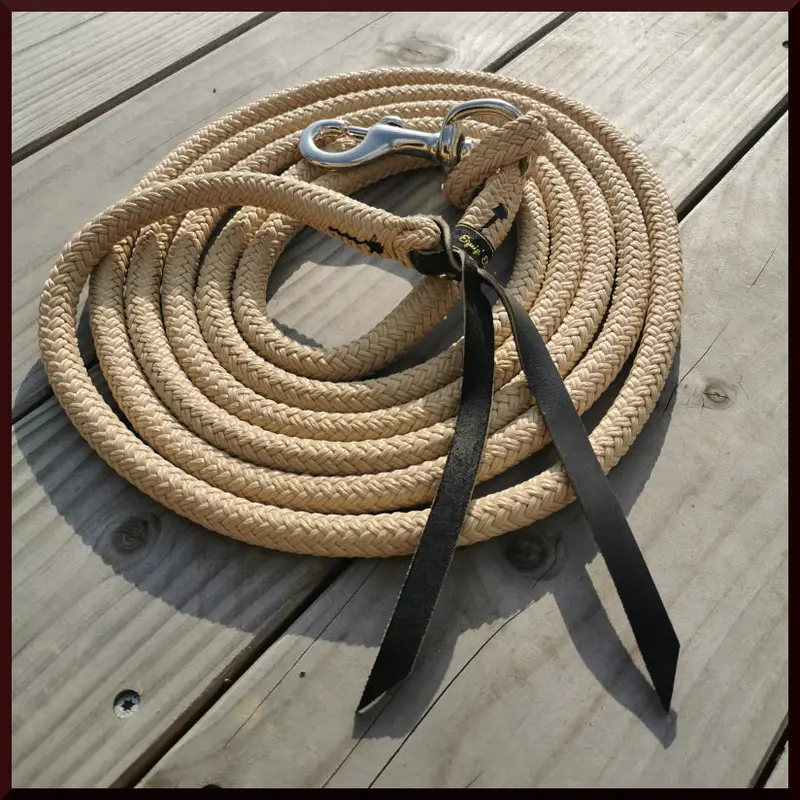
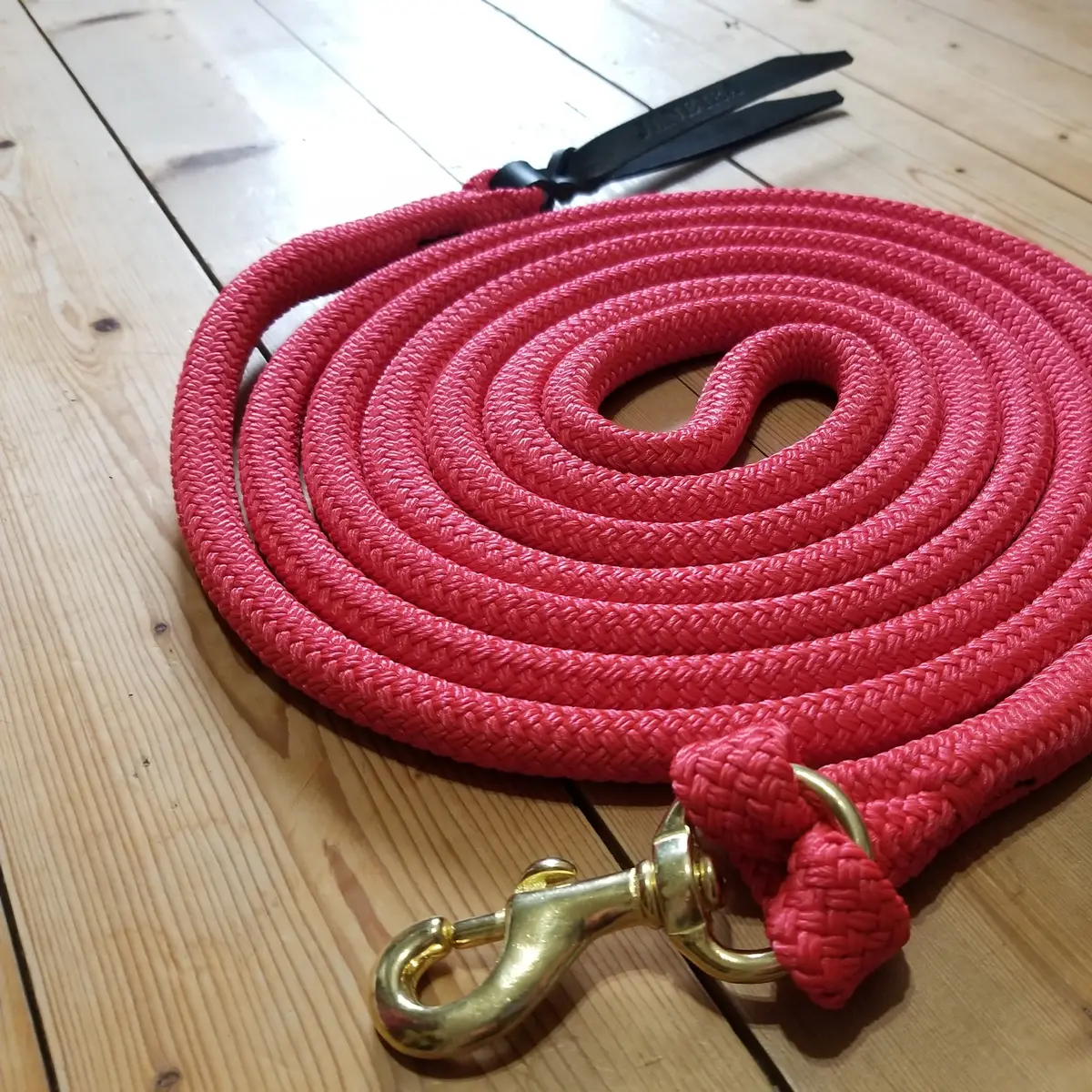
In this way you will teach your horse letters, then words and finally sentences that it will come to understand with time, exercises and a growing partnership — all things that are only possible through groundwork. To do groundwork properly, it is worth having the right equipment. You'll find some on our platform.
Doing groundwork with your horse brings many benefits. From the ground, you get a far more detailed and complete view of your horse. The same is true for the horse. It therefore has only one job: to understand clearly what you are asking of it, without having to manage your balance on top of everything else.
If there are communication problems when getting your horse going in the early stages, groundwork is safer for you than being in the saddle. What's more, everything you teach your horse from the ground will be easier for it to apply than when you are mounted. Everything your horse learns on the ground will help you enormously once you are in the saddle.
On the ground, you will teach your horse confidence. It will also learn lightness and become more responsive to tactile and rhythmic pressure. As a rider, your role is to be the horse's teacher and educator. If it does not understand you, it is up to you to be clearer and easier to read.
From the workshops
Pieces related to this guide


Also worth reading