Understanding your horse: calls, expressions and context
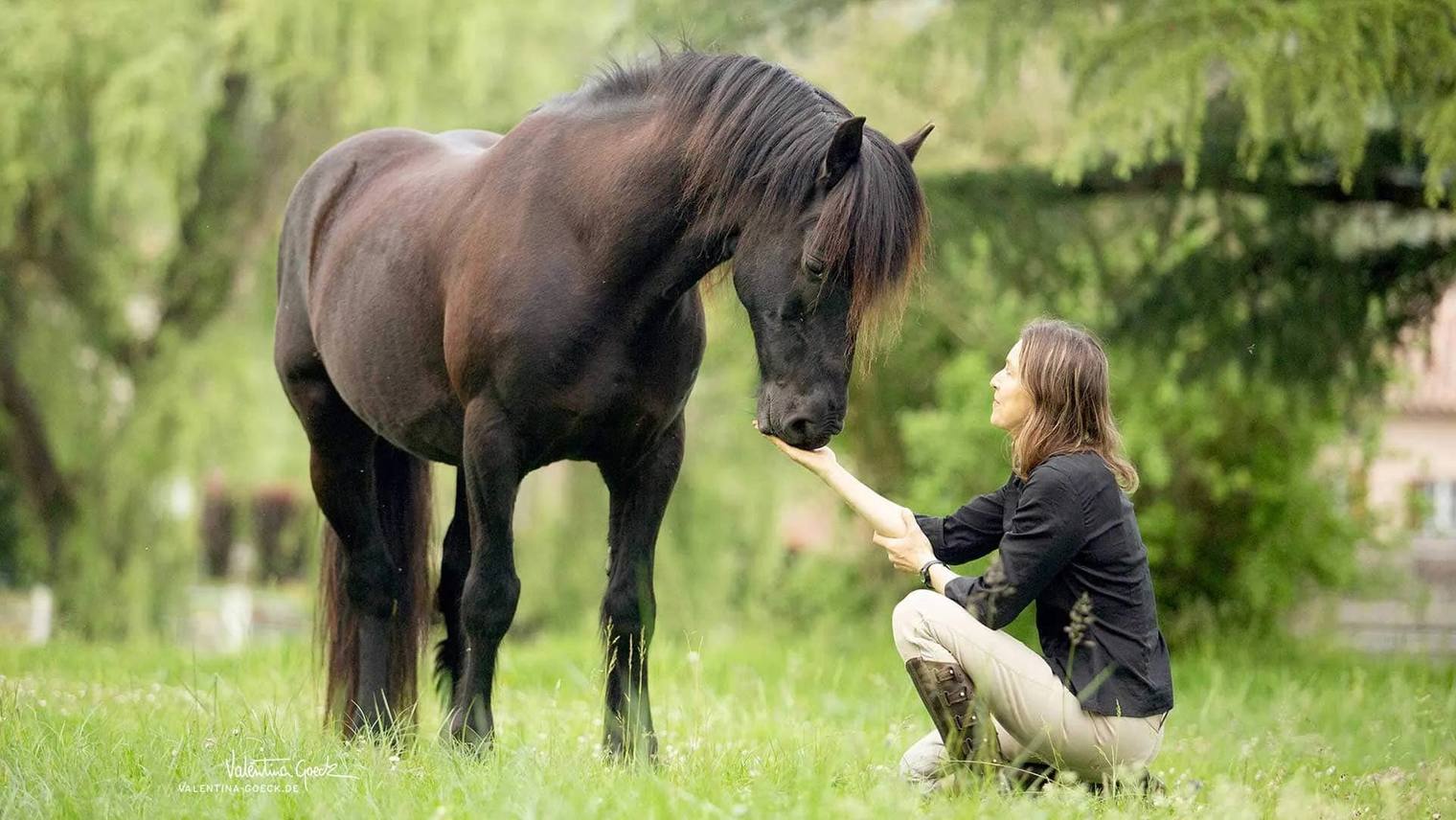
A whinny as a companion leaves, a curled upper lip after sniffing the ground, moving ears during grooming: these scenes cannot be read from a dictionary in which every gesture has one fixed translation. Start by describing the whole situation.
Listen without translating too quickly
Research into whinnies shows that acoustic features can convey information about emotional intensity and positive or negative emotional states. It does not provide a household rule such as “low means happy, high means worried”. Research by Briefer and colleagues.
Record what happens before the call: another horse leaving, arrival somewhere unfamiliar or feed being distributed. Then watch where the horse directs its attention and what happens next. An isolated sound recording loses much of that information.
A “smile” may be flehmen
A horse extending its neck and curling its upper lip may be showing flehmen, behaviour associated with investigating odours and the vomeronasal system. The expression alone does not establish that the horse is happy. IFCE, equine olfaction.
Keep the moments before and after an amusing photograph. A descriptive caption—“upper lip curled after sniffing the ground”—is more accurate than an invented intention.
Keep a brief observation record
For recurring situations, use four columns:
| Situation | Observation | What happened next | Question to explore |
|---|---|---|---|
| A companion leaves the arena | Three calls, looking towards the exit | Returns to the exercise after a pause | How could we prepare for separation? |
| The saddle is brought over | Moves away each time | Response repeats | Should handling be reviewed and discomfort investigated? |
These examples illustrate a method, not a diagnosis. Record occasions when the response does not happen too: they may help your instructor identify what changes.
Make your own responses clear
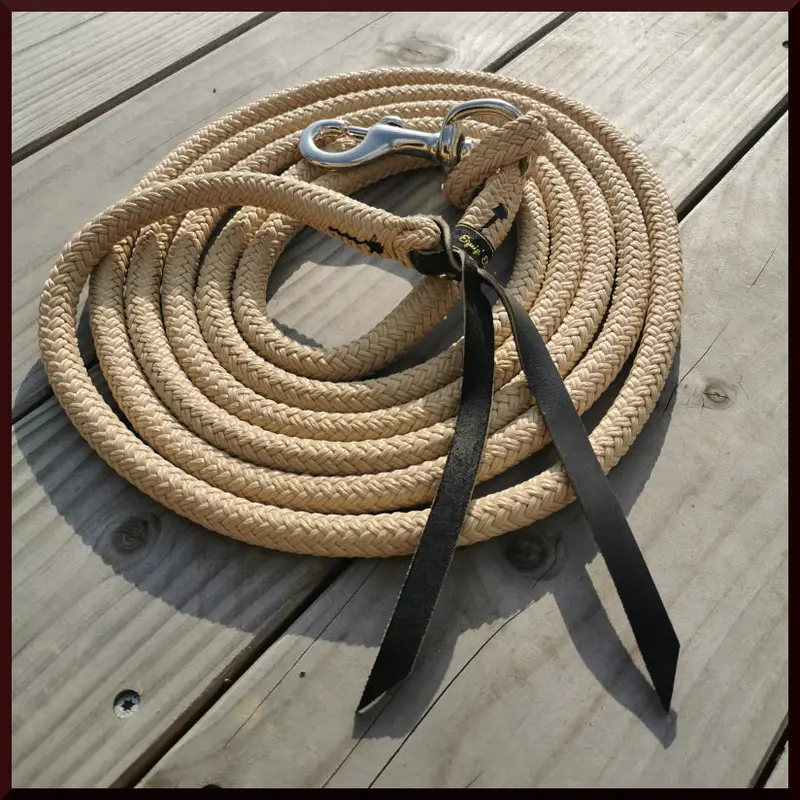
Work with your instructor on consistent cues and exercises suited to horse and rider. If you change a cue, make sure other handlers know. A new lead rope or a more expensive saddle cannot replace that learning.
A sudden change accompanied by pain signs or an unusual general condition warrants veterinary advice. For recurring training difficulties, bring your observations to the professional supporting you. The aim is to adjust the situation for this horse, without assuming a bad intention from one expression.
From the workshops
Pieces related to this guide
Also worth reading