Mares: understanding the cycle and planning care
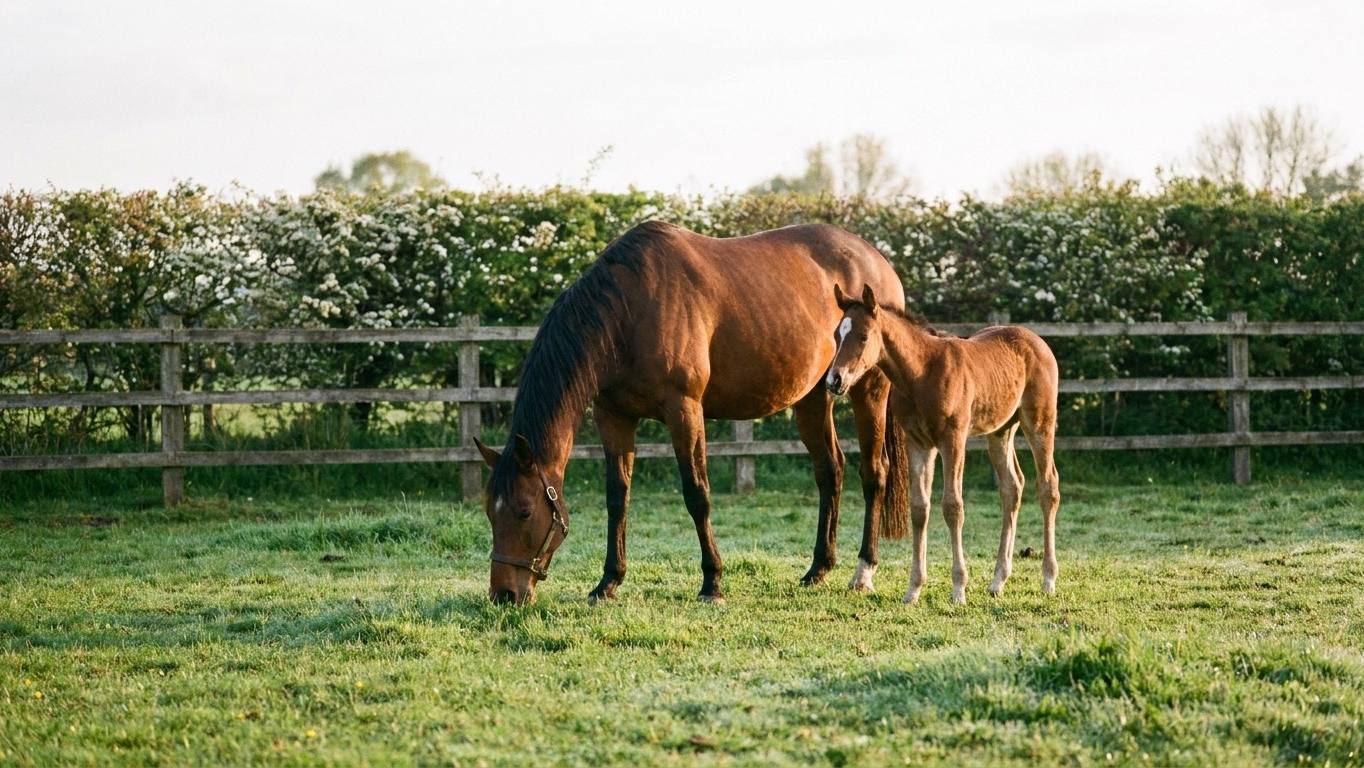
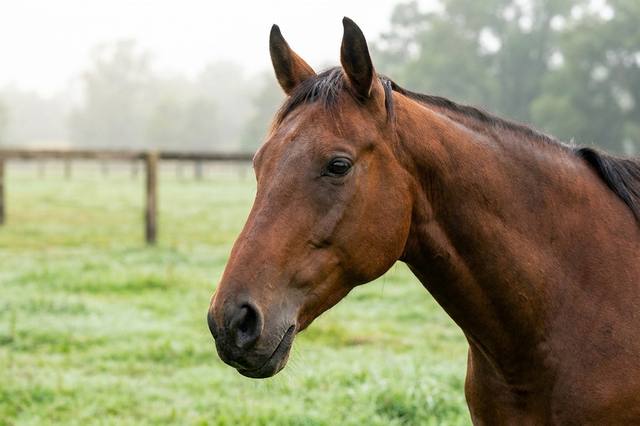
A mare is an adult female horse; a filly is a young female, and a broodmare is a mare used for breeding. These terms describe a situation. They do not establish whether the individual suits a beginner, a sporting ambition or your daily arrangements.
The cycle is a guide, not an automatic timetable
Mares have seasonal reproductive activity. During the active season, the cycle averages about 21 days, with substantial variation. Day length contributes to that seasonality. The average does not let an owner schedule breeding independently or conclude that a mare is pregnant. IFCE, reproduction basics, management without ovarian monitoring.
Describe everyday changes
If a difficulty recurs, note the date, circumstances and what actually happens. “Steps backwards during girthing” is more precise than “moody”. Add the work done, recent equipment changes and observations from other carers.
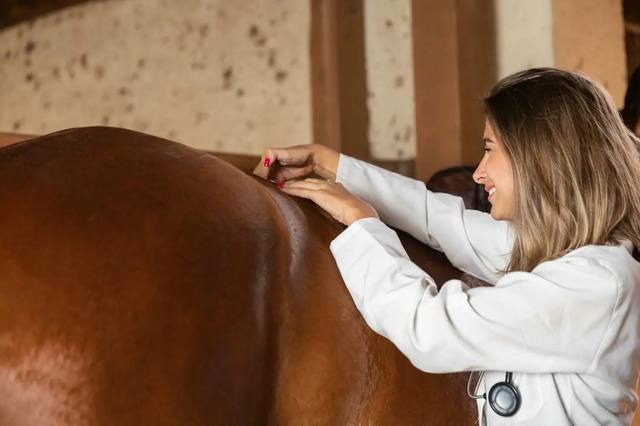
Discuss the record with your vet if the mare appears uncomfortable or shows an unusual change. Do not decide independently that every response comes from the ovaries. Your instructor can help describe training circumstances without replacing medical assessment.
Choosing a mare to ride
For a trial, prepare the same questions as for any horse: actual experience, current routine, expected rider level, behaviour outside the arena and health history. Request examples rather than relying on labels such as “easy mare” or “sensitive mare”.
If she has had foals, ask when and what her programme has been since. Returning to ridden work and the proposed goals should be discussed with the professionals assessing her. Past performance does not automatically describe current condition.
If you are considering a foal
Arrange a discussion about the project before choosing a breeding date. Gather reproductive history, available reports, housing plans and your capacity to provide supervision. Monitoring also depends on the breeding technique chosen; it cannot be reduced to repeating a covering every two days. IFCE, broodmare management.
Ask for a written programme identifying appointments, responsibilities and contact details. A leisure mare need not become a broodmare: breeding deserves a complete plan and the resources to care for both mother and future foal.
From the workshops
Pieces related to this guide

Also worth reading