Bareback riding and bareback pads: what to consider before trying them
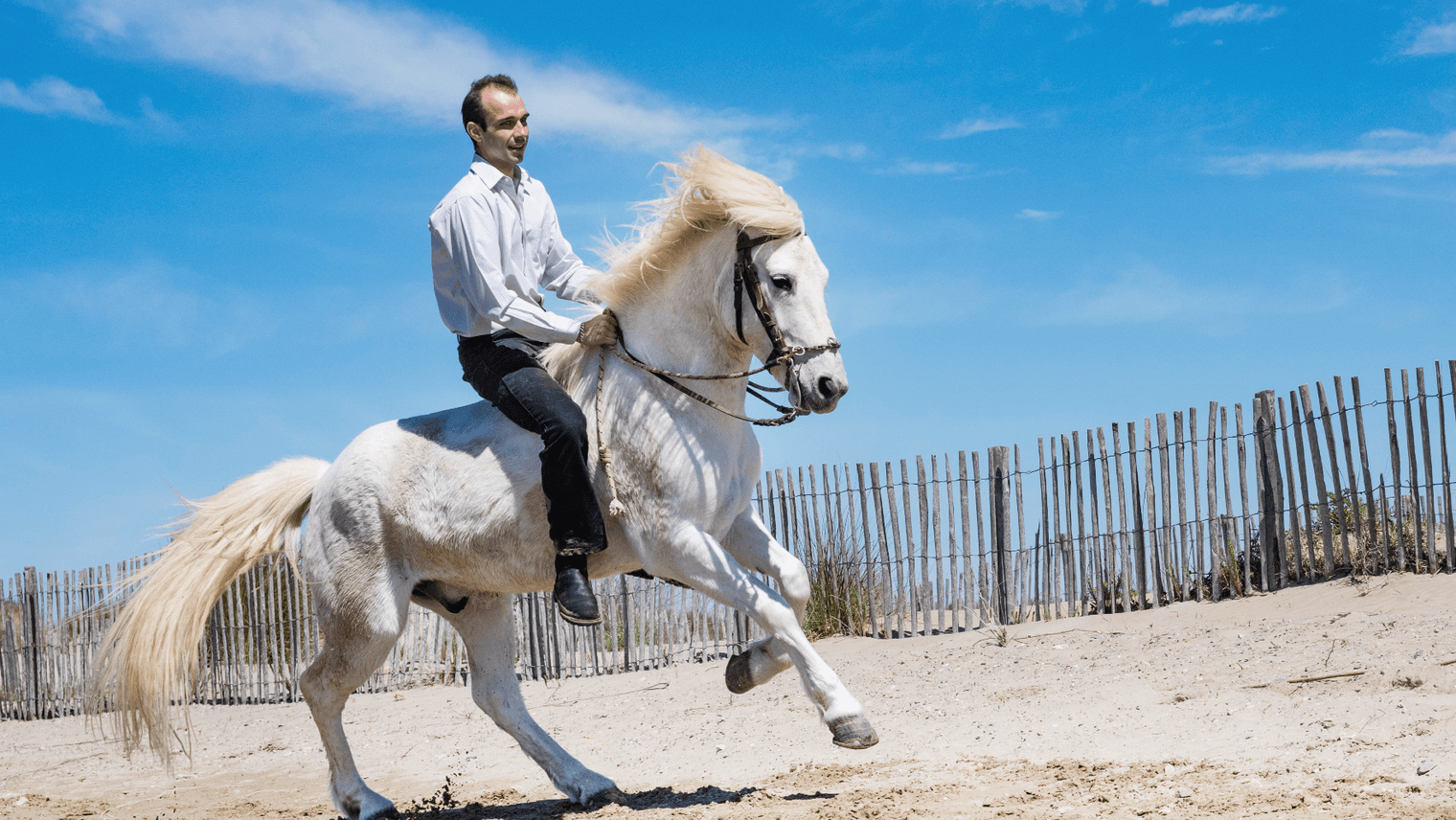
Riding without a saddle changes what the rider feels. That alone does not establish greater comfort for the horse. Before choosing a bareback pad, discuss the exercise you want to work on with your instructor and whether this approach suits you and your horse.
Distinguish between equipment categories
An ordinary saddle pad is intended for use with a saddle. A bareback pad has a different intended use, with capabilities that depend on the model. A treeless saddle is another category again. The names alone do not tell you how pressure is distributed.
A study involving one rider and seven horses at sitting trot found greater localised pressure concentrations when riding bareback than with a conventional saddle. It did not compare every available bareback pad, but it challenges the assumption that removing the saddle automatically benefits the horse’s back. Clayton and colleagues, The Veterinary Journal
Give the session a clear purpose
Explain what you want to explore: feeling the horse’s movement, addressing a balance difficulty or experiencing something different. Your instructor can suggest an appropriate exercise, which might still involve a saddle. Buying an accessory is not necessarily the first step.
Agree on the setting, horse, supervision and circumstances in which you will stop. Do not turn a supervised arena trial into a plan for hacking or jumping. If you lose your balance, ask to return to a manageable exercise rather than supporting yourself by pulling on the reins.
Assess a specific model
Before a trial, request the instructions, intended use, girthing arrangement and care requirements. Check whether accessories shown in photographs are approved for that product. The presence of a ring does not authorise attaching stirrups.
Thick foam or a grippy surface may change your sensations without demonstrating suitable pressure distribution for your horse. Have the complete arrangement and its proposed use assessed by a competent professional. The softness of the pad’s upper surface is insufficient evidence of suitability.
Review the experience
Record the conditions, your sensations and any difficulties, then discuss them with the instructor. Discomfort, a behavioural change or back sensitivity needs investigation rather than an arbitrary extra layer of foam. Suspected pain warrants veterinary advice.
You may decide to continue developing your seat in a suitable saddle. Progress depends on the quality of movement and learning, rather than how many pieces of equipment you remove. An introductory trial should help you make that decision, without committing you to a new riding method or purchase.
From the workshops
Pieces related to this guide
Also worth reading