Hunter classes in France: judging and preparing your first round
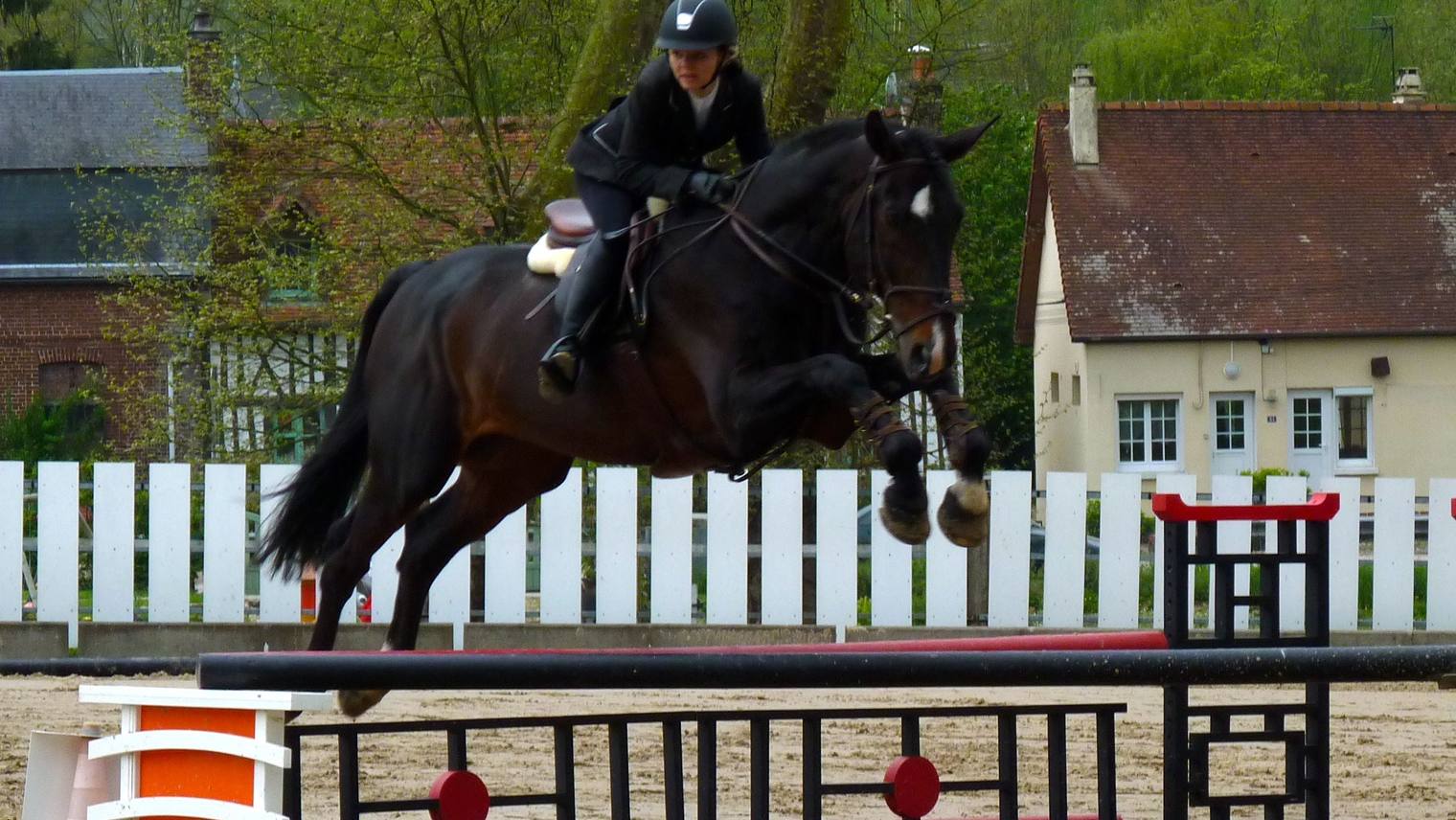
In hunter competition, clearing every fence does not explain the whole score. How the round is ridden matters. In France, Hunter Équitation assesses the rider and the use of the aids, while Hunter Style focuses on the horse, including movement and jumping style. FFE introduction to hunter competition
These French categories provide the context for this guide. Start with the full name of your intended class before shopping for clothing or a saddle pad.
Read the course as an exercise
With your instructor, identify the route, changes of direction and specified tasks. Ask what you need to achieve at each point and how you will recognise it during the round. A simple course sheet can have three columns: location, task and visual marker.
If the programme specifies a stride requirement, ask your instructor to explain it in the context of that course. An isolated distance copied from the internet is insufficient preparation for a horse. The level, route and conditions need to be considered by the person supervising the exercise.
Work on one difficulty at a time
Choose an observable aim: holding a line, preparing a transition earlier or finding your next marker after a fence. Ask your instructor what successful execution should look like before repeating the exercise.
Afterwards, separate what happened from your overall impression. “I forgot to prepare the turn after fence three” gives you something useful to work on. “My round was not elegant” is much less specific. A short video, recorded with the centre’s agreement, can help you review that moment together.
Prepare your turnout and equipment
Presentation is part of the discipline, but exact requirements come from the rules for your class. Check clothing, tack and permitted protective equipment, then review what you already own. FFE discipline rules
Make three lists: items already suitable, items needing adjustment and items you actually need to obtain. A tidy presentation does not require replacing every piece of equipment. Try the complete combination before the show with your instructor’s guidance.
Turn judging feedback into a training plan
Keep the score sheet or comments provided after the class. Review the criteria behind the result with your instructor and choose one priority for your next lesson. A placing describes the outcome of a competition; specific feedback helps you decide what to practise next.
From the workshops
Pieces related to this guide
Also worth reading