Horse gymkhana: understand the games before chasing speed
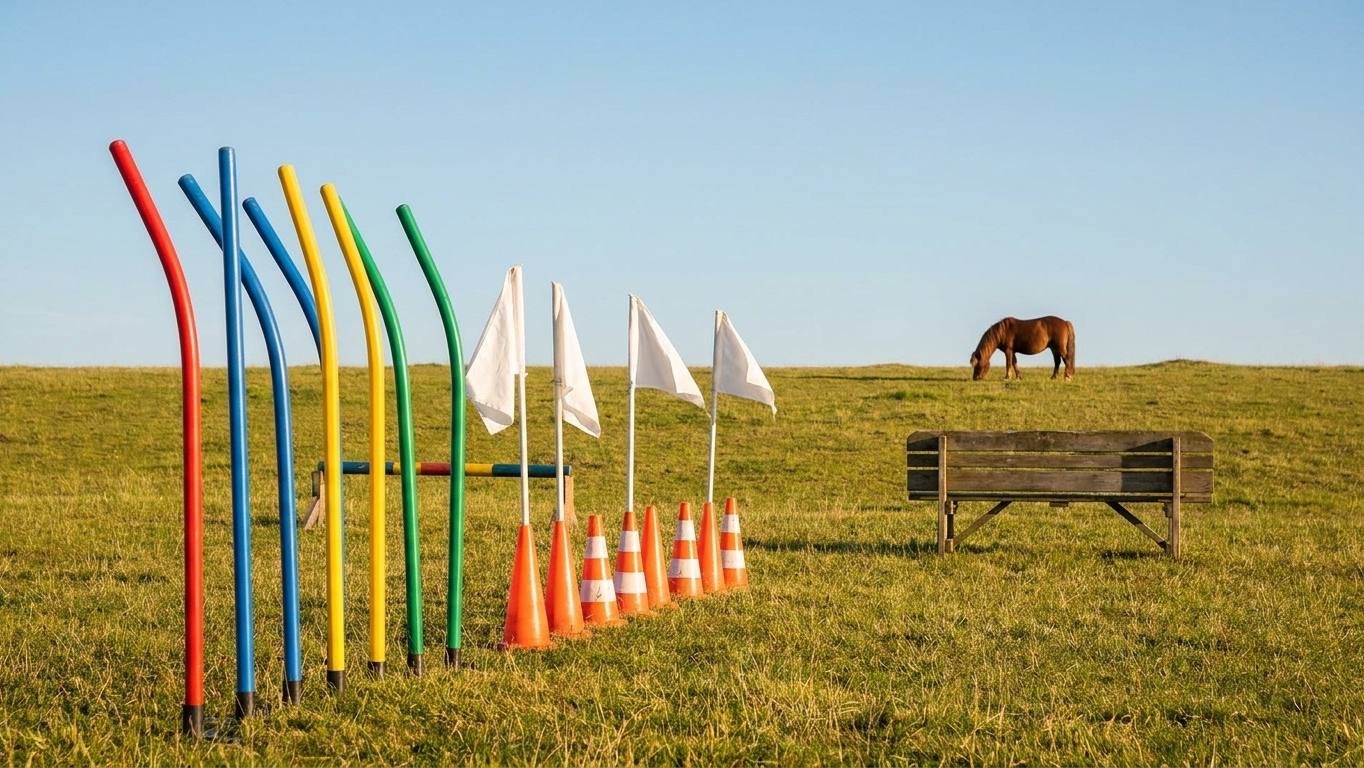
A gymkhana may appear on a clinic schedule or competition programme. Before booking, ask which games are included and which rules apply. An introductory lesson and a timed competitive event require different preparation.
One example: western gymkhana in Quebec
Cheval Québec uses the term for speed games including barrel racing, pole bending and flag events. In barrel racing, the course follows a cloverleaf pattern around three barrels. Riders do not jump the barrels or simply weave between them. Cheval Québec’s western riding overview
To understand a class, identify the required pattern, start, finish and penalised errors. A reported time is meaningful only alongside the rules for that particular course.
Ask which activity the organiser means
In France, pony-games involve games in lanes and relays, with their own organisation. A club activity advertised as a gymkhana does not automatically mean a regulated pony-games competition. FFE introduction to pony-games
Explain whether you want an introduction to western riding, a lesson using games to develop accuracy or an opportunity to join a team. That description is more useful than the activity’s name alone.
Prepare for a first session
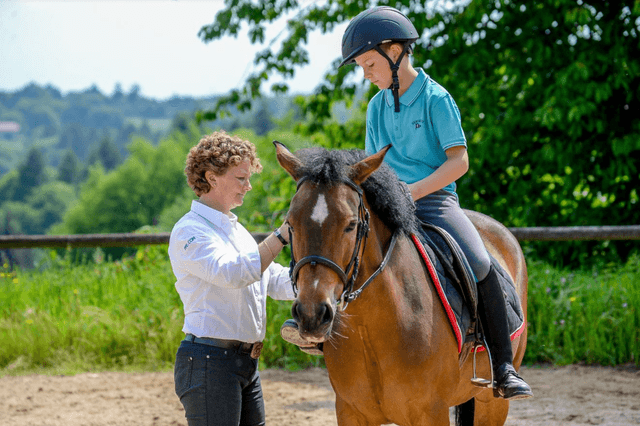
Describe your experience at different gaits and whether you know the proposed horse. Ask what the session includes, what to bring and the participation requirements. Let the instructor select a suitable mount. A breed’s reputation in competition does not establish that an individual horse is suitable for you.
Have the course explained before starting. Identify waiting areas and spaces that must remain clear. Ask how to interrupt the exercise if you lose track or encounter a difficulty.
Measure more than time
For an introductory session, agree on an observable goal with your instructor: remembering the pattern, approaching a turn accurately or handling an object while maintaining the requested organisation. Avoid increasing speed, complexity and unfamiliarity all at once.
Afterwards, compare the plan with what happened. Taking the wrong route, misunderstanding an instruction and encountering a technical difficulty call for different responses. Reviewing that distinction makes the session useful even without a stopwatch.
Before entering a competition
Obtain the organiser’s rules and programme for the relevant season. Check categories, paperwork and equipment requirements with your instructor. An old calendar embedded in an article is not confirmation that the same event will run again on the same dates. Use the current organiser’s information to plan attendance, travel and horse arrangements.
From the workshops
Pieces related to this guide
Also worth reading