Eventing: understand the tests and prepare an introduction
Eventing traditionally combines dressage, cross-country and show jumping with the same horse-and-rider partnership. The French federation’s introduction explains these components. A newcomer’s first task is to agree a suitable lesson and format with an instructor before considering an entry.
Recognise the three components
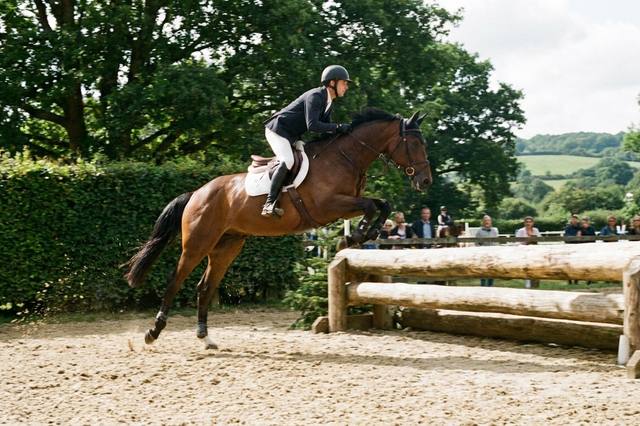
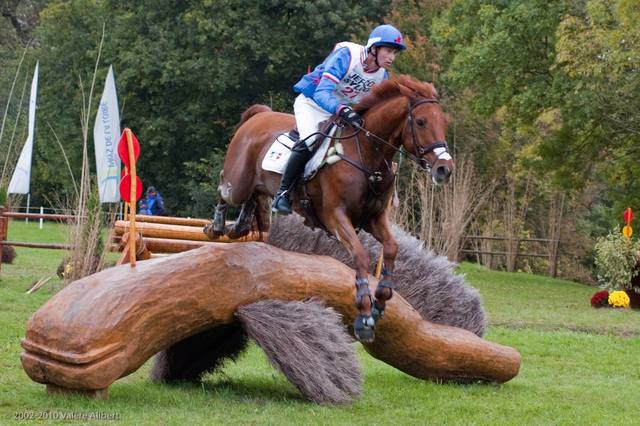
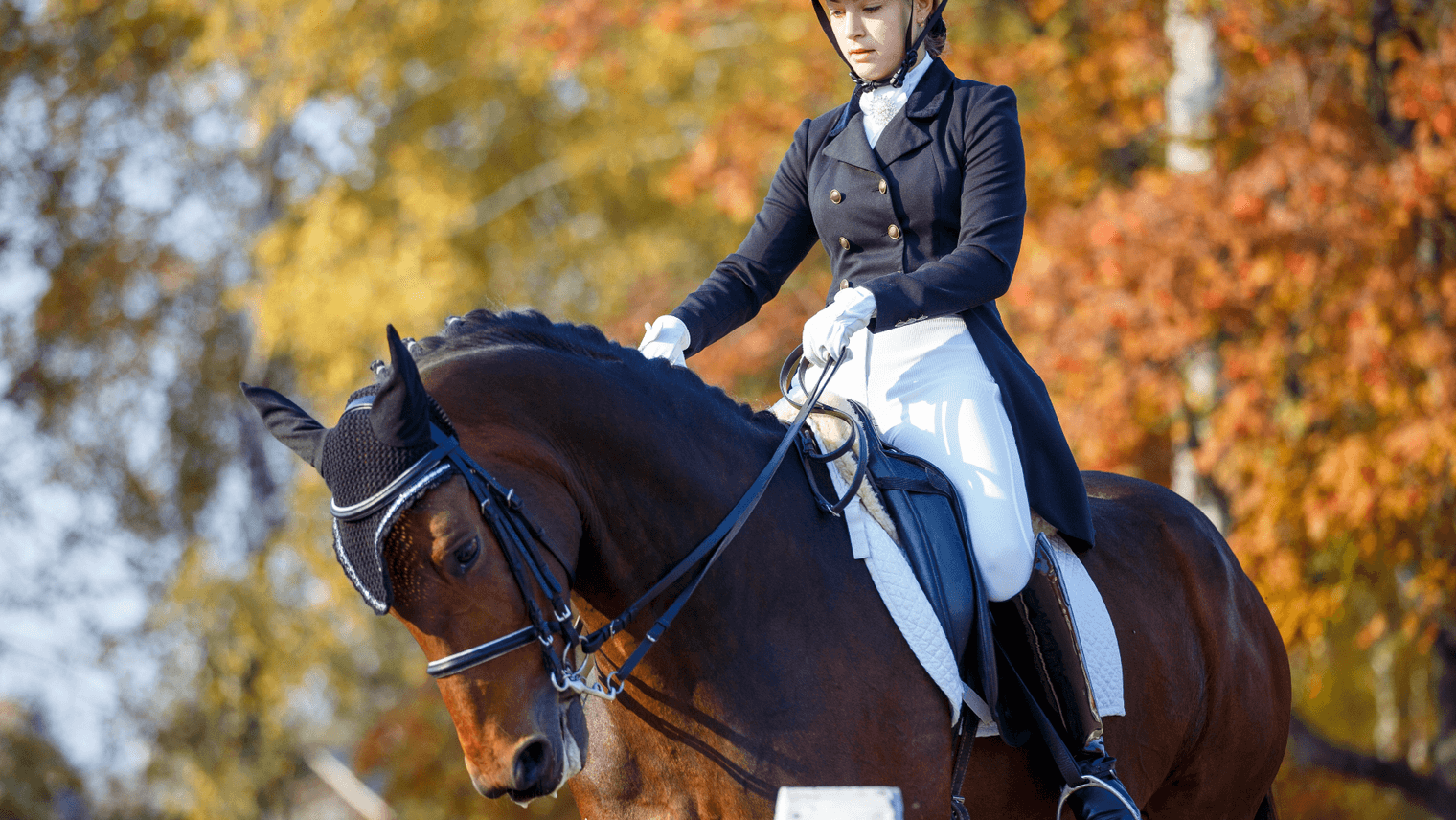
Dressage involves a sequence of movements specified by a test. Cross-country takes place outdoors over fixed obstacles. Show jumping involves a course of fences under the event’s conditions. These components require different skills; being comfortable with one does not establish readiness for the others.
The exact programme depends on the format. Read the applicable rules and complete class description. A general introduction cannot replace the requirements for an introductory series or a particular competition.
Arrange a first experience
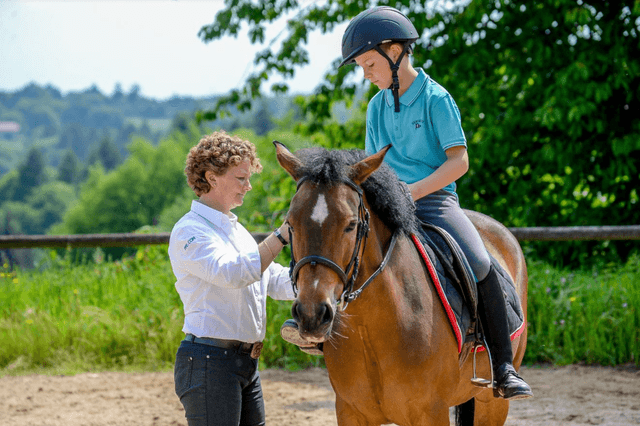
Tell your instructor what you have practised: flatwork, arena jumping and riding outdoors. Mention situations that worry you. The instructor can plan a session appropriate to both horse and rider rather than choosing by fence height alone.
Ask where the session takes place, what equipment is required and what you should observe. An accompanied course walk can help explain the terrain and instructions without becoming permission to reproduce the exercises independently.
Prepare for a first event
| What to confirm | Who can help? |
|---|---|
| Suitable class for the partnership | Instructor. |
| Entry conditions and documents | Club and organiser. |
| Test, course information and timetable | Official event documents. |
| Required protection and permitted equipment | Rules and instructor. |
| Travel, care and recovery arrangements | The team responsible for the horse. |
Our body-protector and airbag guide helps distinguish equipment types. Do not assume an airbag automatically replaces a required body protector.
Review the result with your instructor
Keep result sheets and feedback after an outing. Distinguish a route error, a preparation issue and a misunderstood instruction. Agree one concrete aim for the next session.
A first event may chiefly teach you how to organise the day and observe the horse in an unfamiliar environment. Decide what comes next from that experience, the partnership’s preparation and condition, rather than immediately seeking a higher class.
From the workshops
Pieces related to this guide
Also worth reading