Body protector, back protector or airbag: preparing to choose riding protection
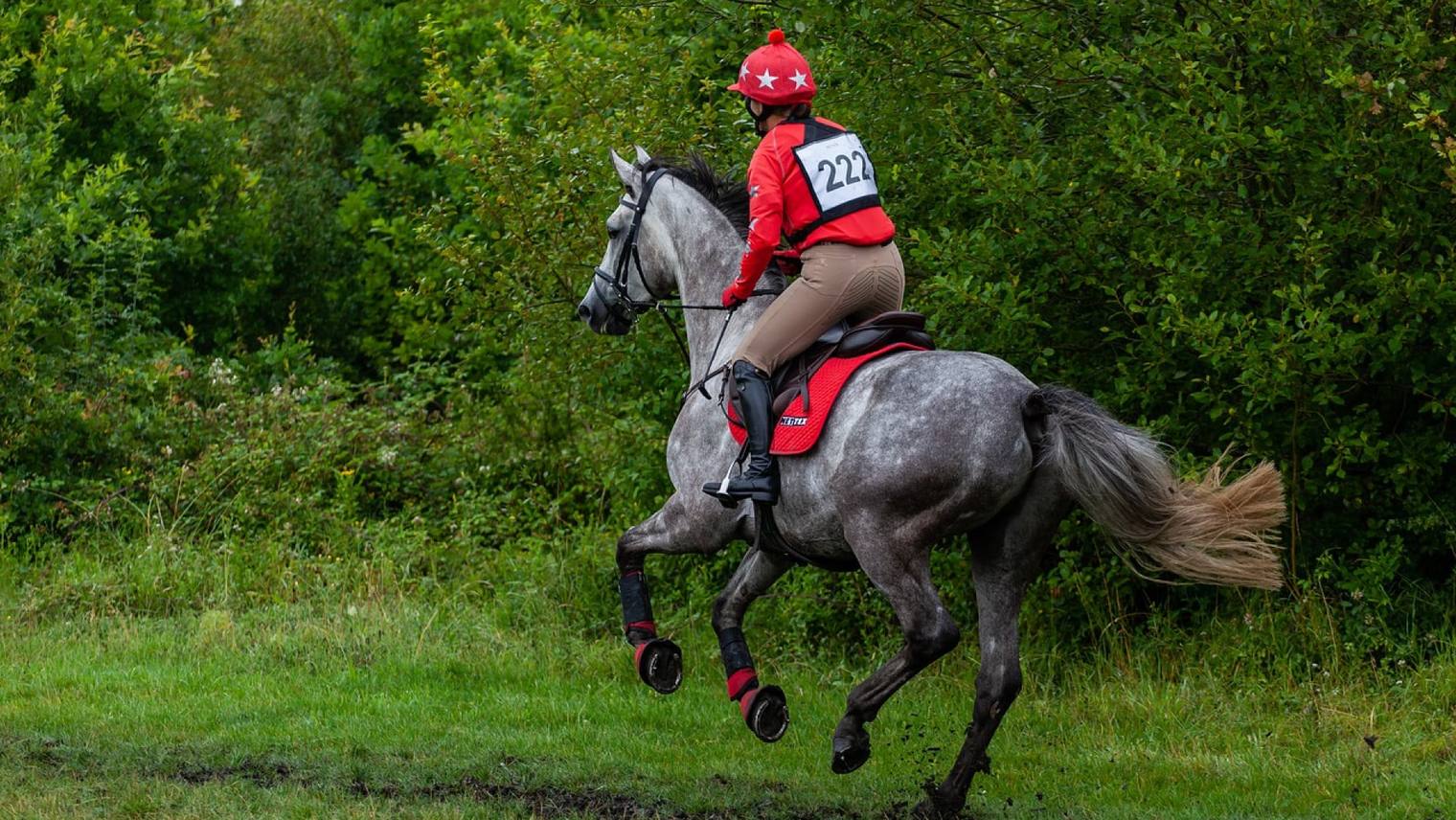
Before comparing prices, establish what you need: equipment required by your riding school, protection for a particular discipline, or something to use alongside your current kit. The terms “back protector”, “body protector” and “airbag” do not establish that two products perform the same function.
Identify the exact product
Ask for the full model reference and its instructions. A description such as “complete protection” does not, by itself, explain the areas covered, the tests performed or the conditions of use.
| Product description | Information to request |
|---|---|
| Body protector with impact-absorbing panels | Areas covered, the standard and level on its label, adjustments and intended use. |
| Back protector | Extent of coverage and requirements met; do not assume it is equivalent to a body protector. |
| Airbag | Activation conditions, compatibility with clothing and other protection, and the procedure after deployment. |
| A combination of protective equipment | Manufacturer approval for that combination and how each component must be worn. |
No equipment guarantees freedom from injury. The British Horse Society highlights both correct fitting and the limitations of body protectors. It recommends a competent fitter and taking account of the clothes you intend to wear when riding.
Check the requirements for your activity
Ask your school or event organiser what equipment is required, then compare that requirement with the label on the model you are considering. For competition in France, consult the relevant FFE discipline regulations, using the version applicable to your event. Elsewhere, consult your governing body and organiser.
Keep the regulation reference alongside the product details. You can then ask a precise question: “Does this model, in this size, satisfy this requirement?” A general answer about airbags or a particular brand does not settle that question. Protection levels should not be selected simply according to how many years you have been riding.
Arrange a proper fitting
Take your usual riding clothes and explain which other protective equipment you intend to wear. Have the measurements and adjustments checked against the instructions. Ask to try a riding position, ideally on a fitting saddle, to assess freedom of movement and how the protector interacts with the saddle.
For a child, ask about the product’s specific height, weight or age restrictions. Buying a large size to last several years does not replace this assessment. Record the adjustments agreed at the fitting and have the fit checked again if body size or riding clothing changes.
Learn how an airbag operates
Before first use, have the installation and preparation of your chosen model explained. For a system connected to the saddle, ask for a demonstration of the attachment point and what to do before dismounting. Check how clothing must be worn around the airbag as well.
Instructions are equipment-specific. For example, Helite’s equestrian FAQ distinguishes care of the airbag from care of certain compatible garments and specifies cartridge requirements. Those instructions should not automatically be applied to other makes or models. Keep the manual that matches your exact equipment.
Plan for maintenance and falls
Before buying, ask about the cost and availability of consumables, inspection arrangements, and the procedure after a fall or deployment. Do not assume replacing a cartridge is sufficient in every case. For second-hand equipment, request its history and seek the manufacturer’s advice if its condition or previous use is uncertain.
Keep the receipt, model reference and instructions together. Choosing a protector is one part of preparing to ride: see our guides to riding helmets and clothing for beginners for the rest of your kit.
From the workshops
Pieces related to this guide
Also worth reading