Grooming your horse: choosing brushes and adapting your routine
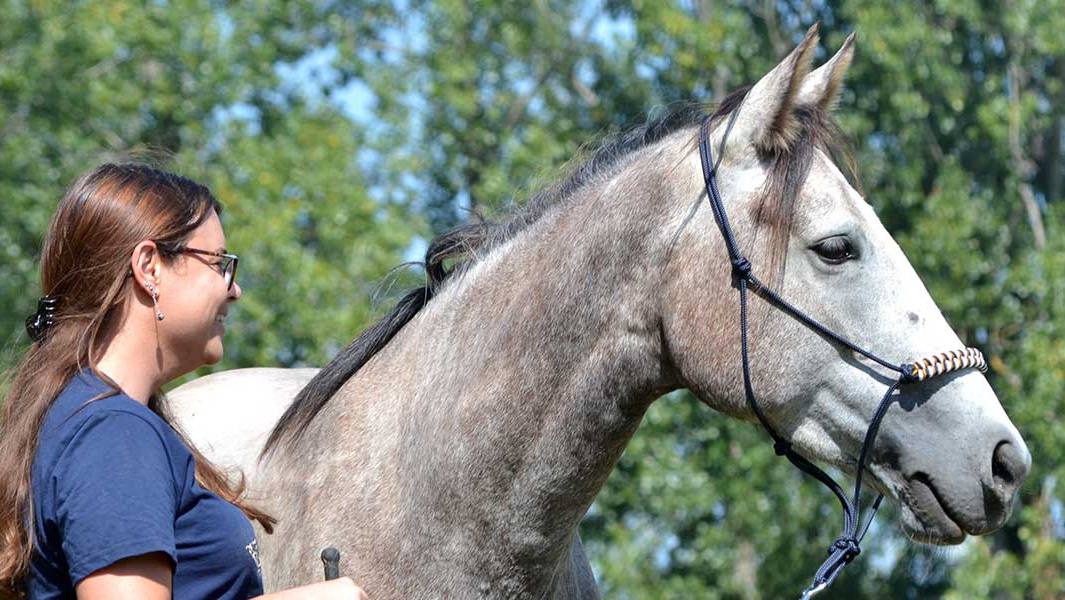
A box full of brushes does not tell you which to use first, or which suit the horse in front of you. Before your first grooming session, ask your instructor to demonstrate the yard’s equipment and explain this horse’s routine. You can then choose your own kit around skills you have learned in practice.
Recognise the basic tools
“Brush” covers several different tools. Their purpose and stiffness matter more than their colour or the number of pieces in a set.
| Tool | Purpose | What to check during a demonstration |
|---|---|---|
| Curry comb | Loosen dirt with a tool suitable for the area being groomed. | Material, flexibility and where this particular tool can be used. |
| Dandy brush | Remove dirt loosened from the coat. | Pressure and areas to avoid with this brush. |
| Soft body brush | Remove dust and finish brushing. | Whether its bristles suit the horse, especially sensitive areas. |
| Mane and tail brush or comb | Maintain the mane and tail. | How to work through tangles without pulling, and where to stand. |
| Hoof pick | Clean the underside of the hoof. | How to ask for a foot, support it and handle the tool. |
Recognising grooming equipment, handling the horse and picking out feet are practical elements of the British Horse Society’s Stage 1 Care syllabus. A checklist is a useful reminder after instruction, rather than a substitute for a demonstration with a horse.
Watch how the horse responds
One brushing pressure will not suit every horse or every part of its body. The French equestrian institute IFCE advises adapting grooming to the horse’s responses, changing the area or the action and reducing pressure when it causes discomfort. Completing a compulsory twenty-minute sequence is not the objective.
If the horse moves away, becomes tense or threatens, stop the action and ask for help. Describe what changed: the tool, the area, the pressure or an unfamiliar response. That account is more useful to your instructor than an immediate judgement about the horse’s temperament. New or persistent sensitivity calls for professional advice; grooming alone cannot establish a diagnosis.
Learn hoof picking as a separate skill
A hoof pick is not handled like a brush. Ask someone qualified to show you how to hold the foot and identify the parts of the hoof before trying. Cleaning helps remove visible dirt and foreign material, without digging into sensitive structures. Spare the frog, the soft V-shaped part in the middle of the sole: clean the grooves either side of it, never scrape it.
At a riding school, report difficulty lifting a foot, apparent pain or an unfamiliar object to the person responsible. Do not try to resolve something you do not recognise by yourself.
Build a small, useful kit
Before buying a set, check what is already available. Which tools can you use confidently? Which belong to an individual horse? What does the yard recommend for cleaning and storage?
Hold brushes before choosing them: a handle comfortable for an adult may be too wide for a child. Consider whether the tools are easy to clean and whether the bag lets you separate dirty equipment. Follow the manufacturer’s care instructions and the yard’s policy on sharing tools between horses.
Finally, agree the practical arrangements with your instructor: where to groom, how the horse will be held or secured, what to lay out and how much preparation time to allow. Our guide to what to wear for your first riding lesson covers the rest of your preparation.
From the workshops
Pieces related to this guide
Also worth reading