Riding helmets: sizing, standards and care

Start with your riding activity, head measurement and a fitting when choosing a helmet. Colour and finish come afterwards. For a child, age cannot replace a measurement: the aim is a helmet that fits now, rather than a size to grow into.
Before buying: establish the requirements
Tell the retailer whether the helmet is for riding-school lessons, hacking or a competition discipline. Ask for the model’s instructions, markings and relevant conformity documents. In its advice for riders, the French Equestrian Federation (FFE) highlights helmet use and CE marking.
For competition in France, also consult the current rules for your discipline. Keep the exact model reference and confirm its suitability for that activity. An old list of standards on a blog is not enough to establish whether a current model is acceptable. Outside France, check the relevant local governing body’s requirements.
Measure, then try it on
Use a soft tape around the widest part of your head, above the eyebrows and ears, then consult the manufacturer’s chart. During fitting, look for even support without painful pressure points or obvious gaps. Have the harness adjusted and wear the helmet for a few minutes. Charles Owen’s fitting guide also advises against buying an oversized helmet for a child.
If the fit is unconvincing, try another model with the retailer rather than relying on the measurement alone.
Keep a record
Create a short record on your phone or store it with the receipt:
| Information | What to record |
|---|---|
| Identification | Brand, model, size and the reference on the label. |
| Purchase | Date, retailer and proof of purchase. |
| Instructions | A link or copy of the manufacturer’s instructions. |
| Adjustment | Settings explained at the fitting and approved removable components. |
| History | Any incident, customer-service enquiry or replacement. |
This makes it easier to contact the manufacturer without relying on memory for the date or model.
After an impact and over time
Do not judge the helmet by appearance alone. Charles Owen explains that impact damage may be invisible and instructs owners to replace a helmet after an impact. Its recommended service life is three to five years depending on use. That is this manufacturer’s guidance, not a universal lifespan for every brand. Consult the instructions and replacement guidance for your own helmet.
Cleaning: distinguish the helmet from its liner
Read the instructions before removing or washing a component. Charles Owen’s cleaning guide distinguishes suitable removable liners from helmets themselves, which must not be machine-washed. It also advises against harsh solvents and drying near a heat source.
Keep the instructions accessible: a method suitable for one model should not automatically be applied to another.
Before your first lesson
If you need a riding-school helmet, ask about borrowing one when booking and have its fit checked before mounting. For the rest of your clothing, see our guide to what to wear for your first riding lessons.
From the workshops
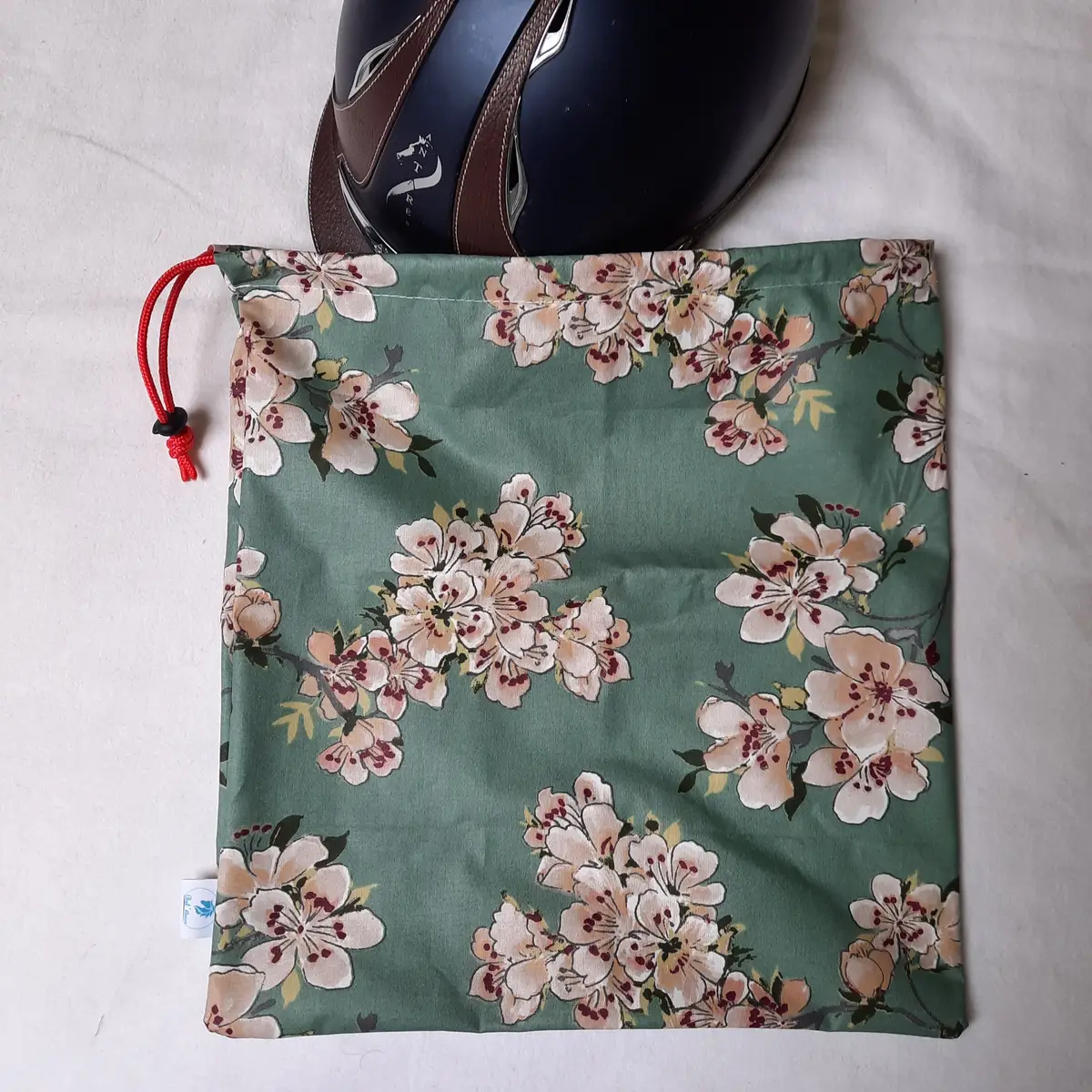
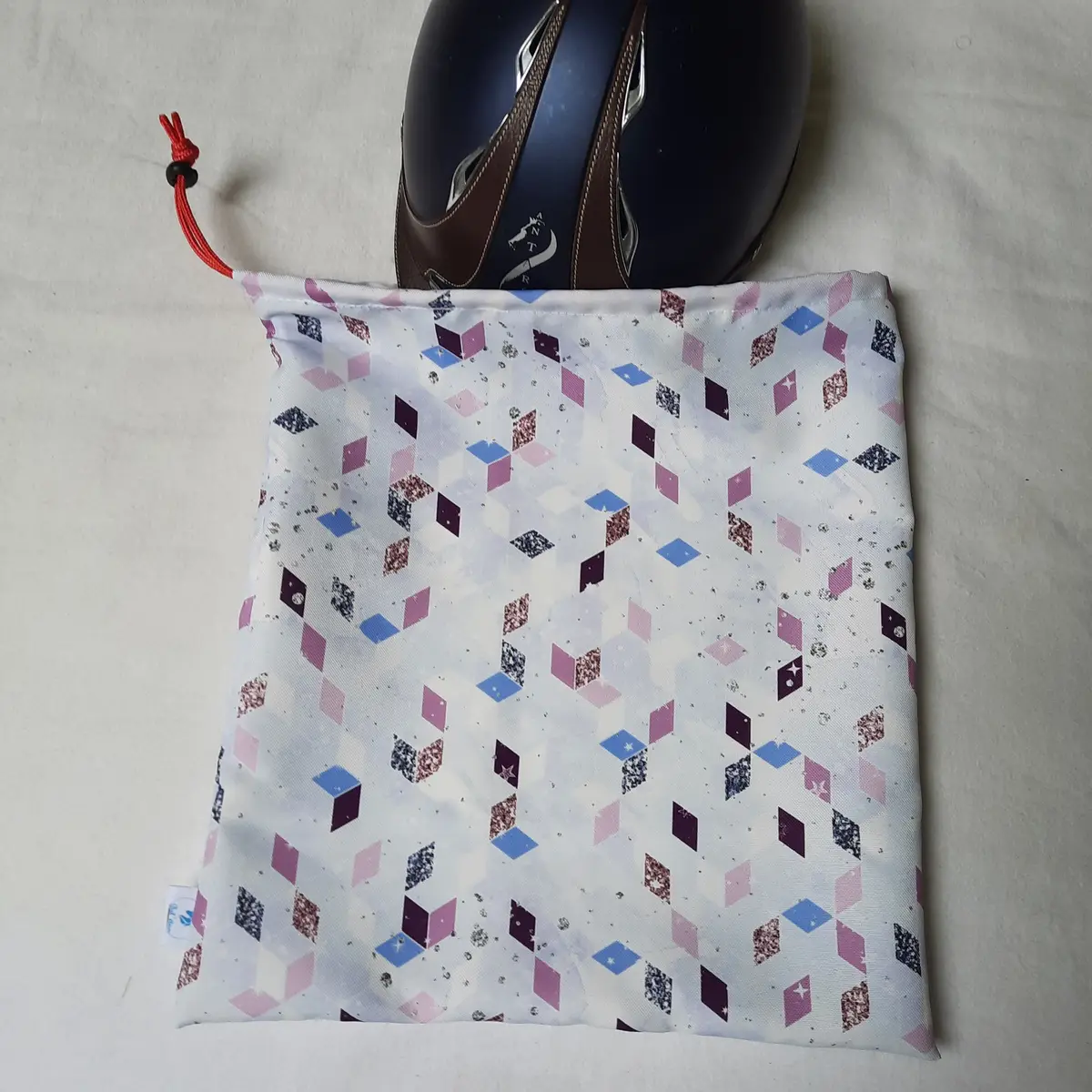
Pieces related to this guide
Also worth reading