Riding boots: choosing the right foot size, calf width and height
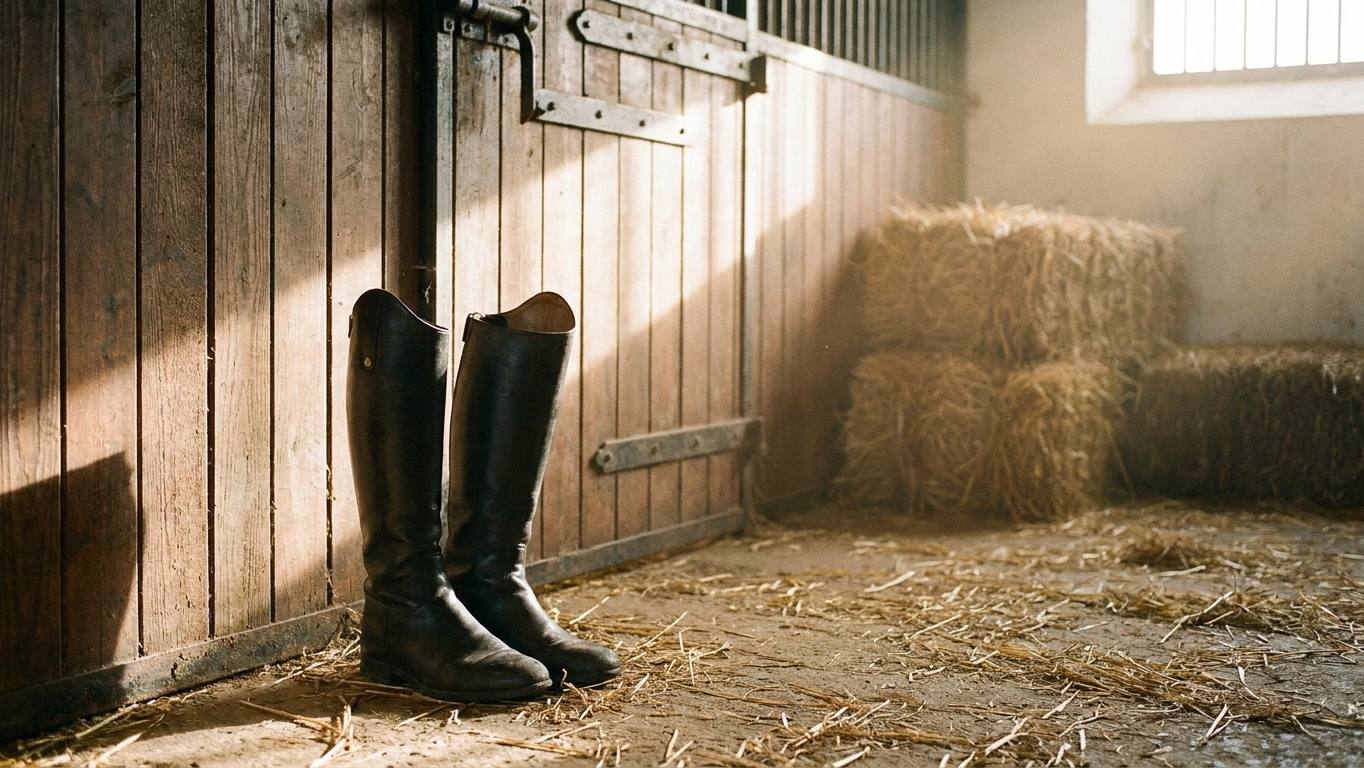
A riding boot can fit your foot but squeeze your calf, or zip up easily while sitting too high behind your knee. Check these dimensions separately. An “XXL” label may describe a wider shaft without saying anything about foot size.
Prepare your measurements
Read the instructions for the model you are considering before measuring. Record foot size using the maker’s guide, followed by the requested calf and height measurements. Have both legs measured while wearing your riding breeches and socks. Keep the figures, units and method together.
Ariat’s tall-boot fitting guide distinguishes width from height and includes a model-specific allowance for the boots dropping with wear. Do not automatically apply that allowance to another manufacturer’s boots.
Compare available combinations
Read the full chart for your foot size. A maker may offer several heights and calf widths, without stocking every combination. Send your measurements to the retailer if they fall between options.
| Fitting problem | What to ask |
|---|---|
| The foot fits but the calf feels tight | Is a wider shaft available in the same foot size? |
| The zip closes but the top presses behind the knee | Is there a shorter height? |
| Your legs have different measurements | What adjustment does the maker allow? |
| No standard combination fits | Which measurements can a bespoke bootmaker change? |
Increasing foot size simply to gain calf width may create a new problem around the foot. Ask about a different combination instead of guessing what a larger size will do.
Make the fitting useful
Try both boots with your riding clothes. Walk, sit down and ask to check a riding position. Identify the exact location of any discomfort: ankle, instep, zip or behind the knee. A fitter can explain which features may change with wear and which suggest the model is unsuitable. Pain should not be dismissed with a promise that the leather will soften.
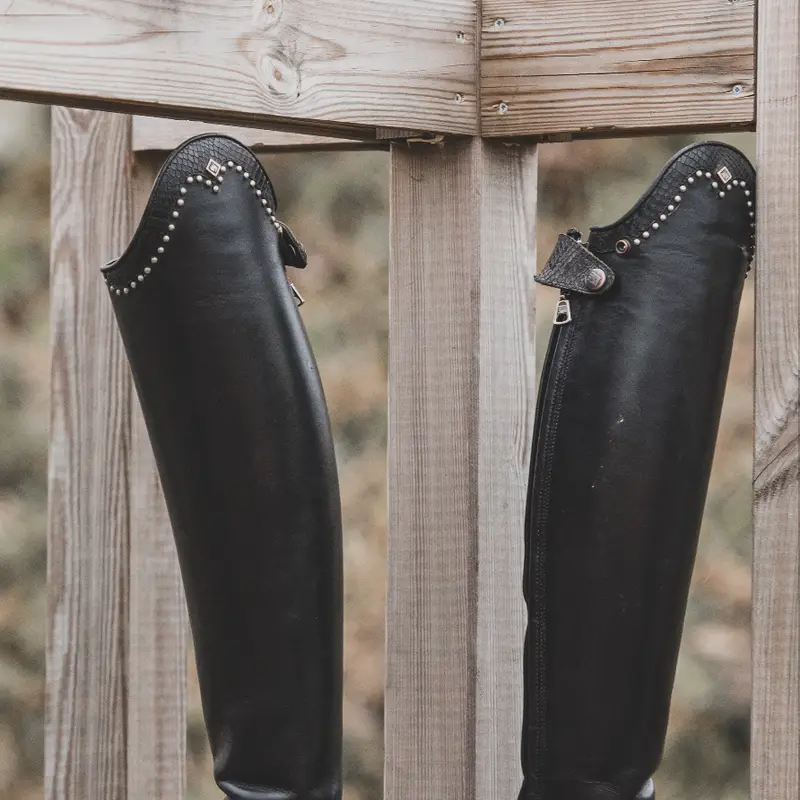
For a custom order, obtain written confirmation of the measurements, materials, options, lead time and possible alterations. Choose decorative details after agreeing the fit.
Match the equipment to your routine
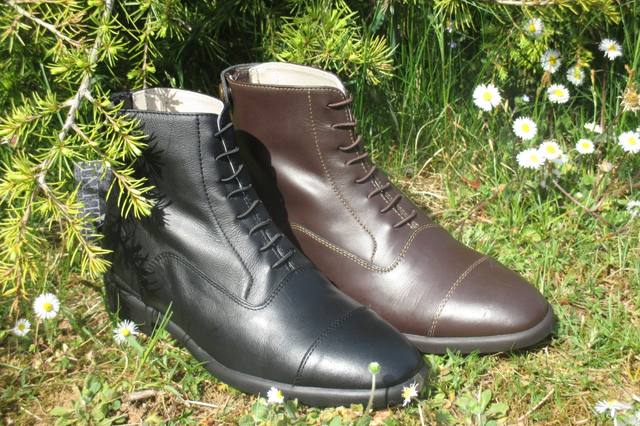
Tall boots are one option. Short riding boots and half chaps let you select footwear and legwear separately, provided the combination works together. Check your event’s requirements before choosing competition footwear.
Keep the care instructions and clarify the retailer’s conditions for trying the boots before first use. Ask whether zips or soles can be repaired. A pair that suits your measurements and routine is more useful than a size label alone.
From the workshops
Pieces related to this guide
Also worth reading