Horse and rider equipment: build a checklist around actual use
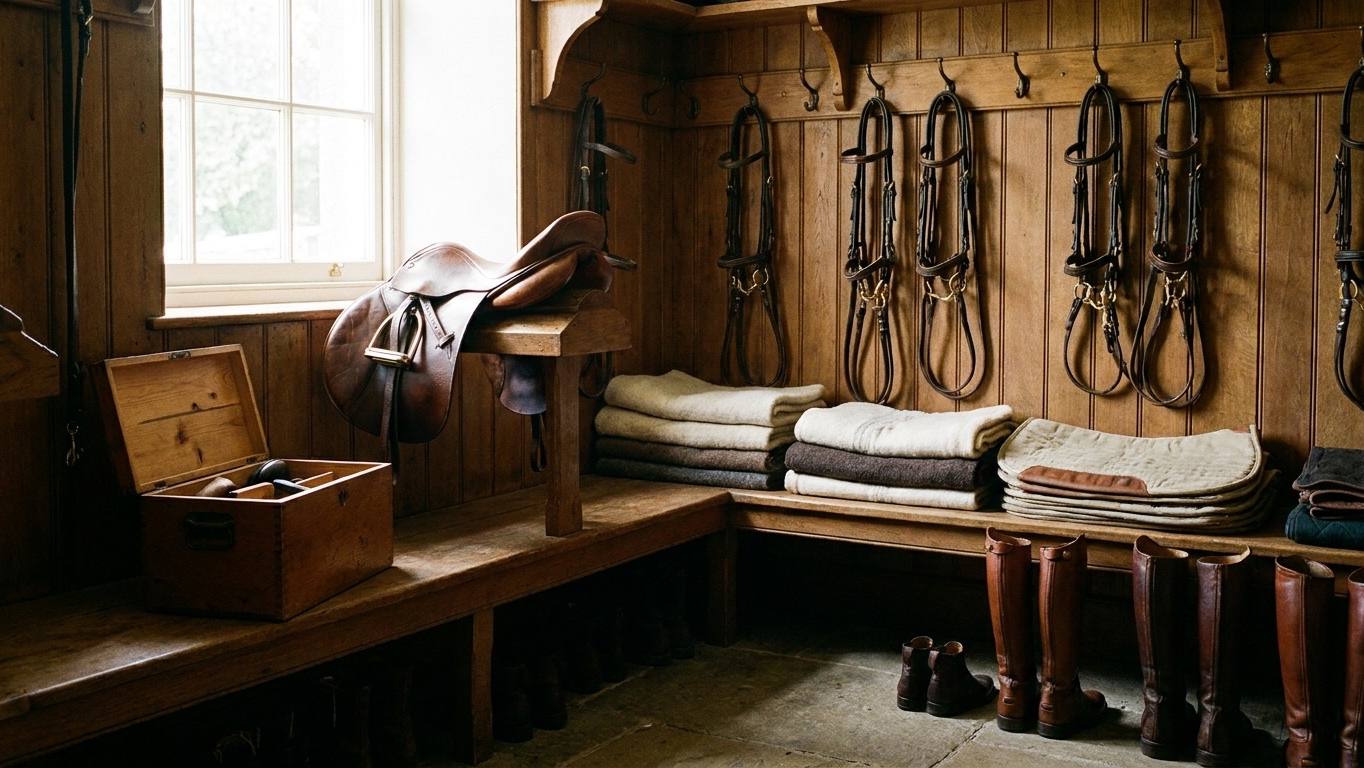
The useful list is not the longest one. It identifies what is needed, what is already supplied and who will check each item’s suitability. Riding-school clients and horse owners have different purchases to plan.
If you ride at a school
Ask for the school’s equipment list and lending arrangements. Record its requirements for clothing, footwear and protection. Use the horse’s equipment selected and explained by the staff; do not buy a bit or training aid to alter that equipment yourself.
Our first-lesson clothing guide helps prepare those questions. Later purchases can wait until your riding and needs are clearer.
If you are equipping your own horse
Make an inventory with your instructor and yard manager. Some items belong to the horse, while others may be shared or supplied by the yard. Clarify the arrangement before the horse arrives or moves yards.
| Use | Items to discuss | Decision to make |
|---|---|---|
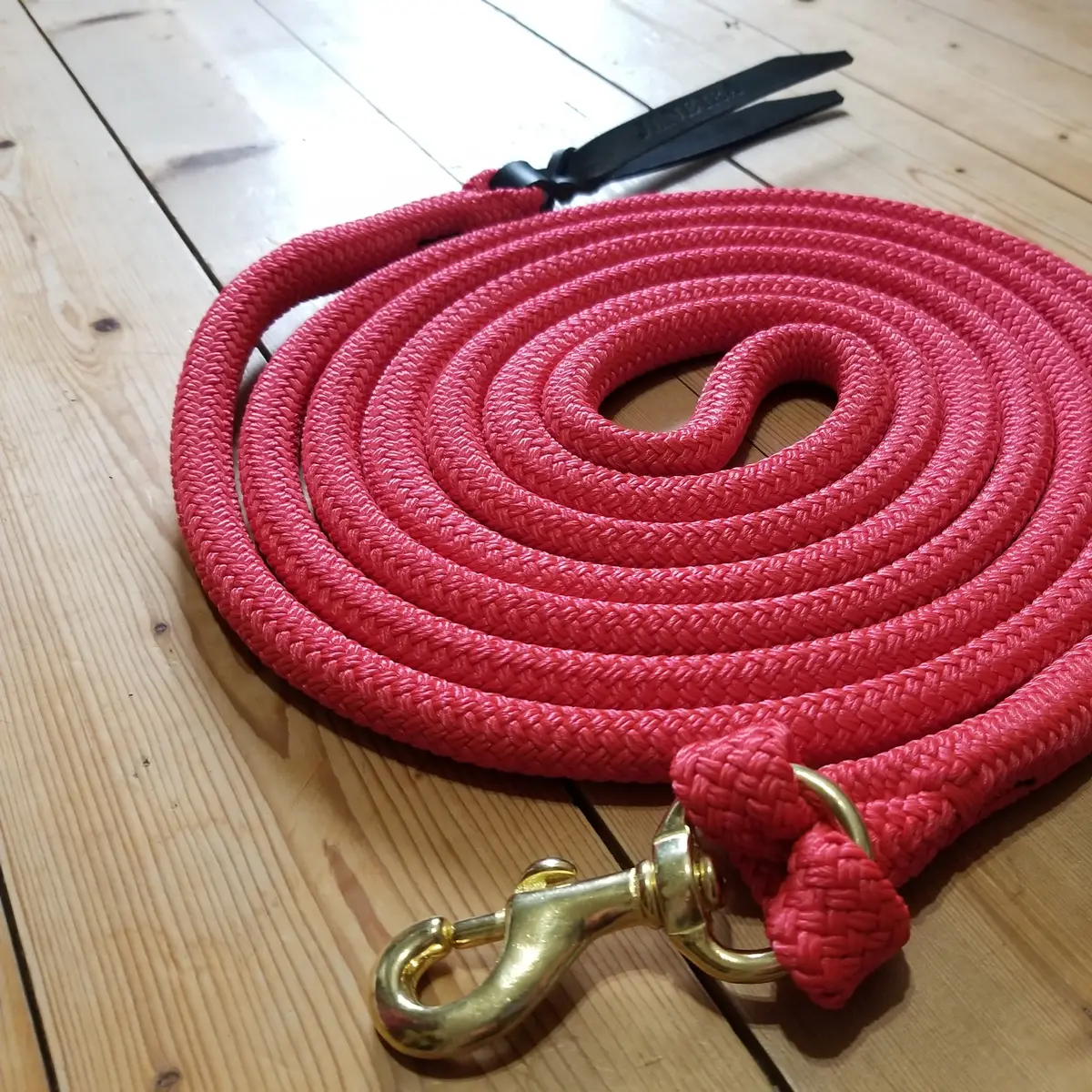
| Leading and preparation | Headcollar, lead rope and grooming kit | Who selects, fits and demonstrates them? |
| Ridden work | Saddle, girth, leathers, stirrups, pad and headgear | Who checks fit and compatibility? |
| Groundwork | Equipment for the exercises being taught | What does the planned session actually require? |
| Daily management | Equipment for the accommodation and individual needs | What does the yard supply, and what must the owner bring? |
| Travel | Equipment agreed with the transporter and instructor | What is the horse familiar with, and what needs preparation? |
This is a discussion aid. It does not mean every horse needs every available boot, rug or accessory.
Check combinations as well as individual items
A saddle, pad and girth need to be considered together. A new component may change a previously assessed combination. Keep references and mention changes during a saddle-fit assessment.
For grooming, learn the tools you will actually use. Our grooming guide helps prepare for a demonstration. Buying a complete kit does not replace learning the skills.
Keep an equipment record
For each item, note the model, size, purchase date, agreed adjustments and care instructions. Add the contact for repairs or fitting questions. Photograph labels while they remain legible.
Before adding another item, identify the problem it should solve. That helps direct the budget towards useful equipment, an assessment or a repair instead of accumulating accessories.
Prepare measurements before ordering
Height at the withers does not provide every dimension of a horse. Ask the manufacturer for a measuring diagram for each item: start and end points, units and whether buckles are included. Photograph your measurements and record the current equipment’s model and settings.
Do not automatically transfer a Cob or Full label between brands. Record what works and what causes difficulty with the existing item; copying it is not enough if its fit is wrong. For a saddle, arrange a professional assessment of both horse and rider. Confirm trial, exchange and alteration terms before placing a personalised order.
From the workshops
Pieces related to this guide
Also worth reading