Riding-equipment budget: decide what to buy first
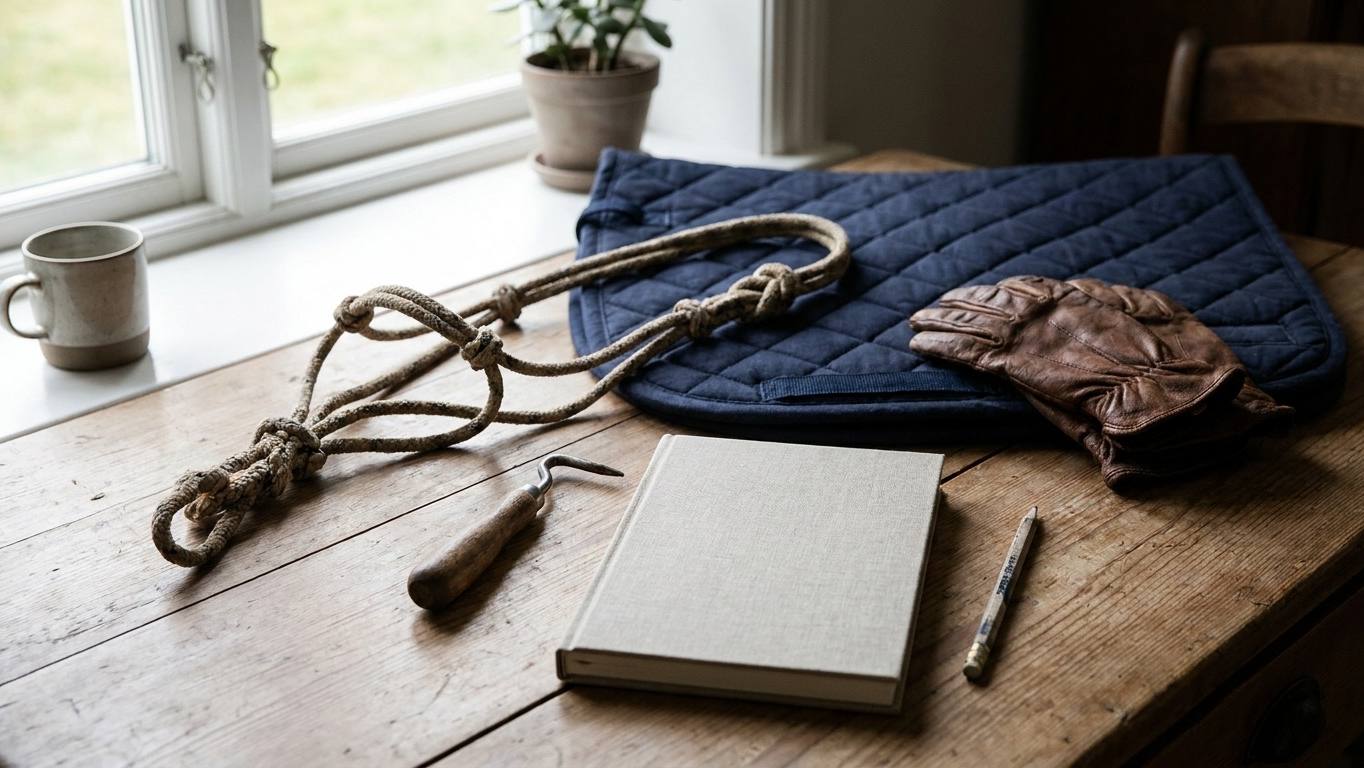
Start saving by identifying purchases needed for your current riding. A large discount on an unused item does not reduce the cost of lessons. Equipment already available at the school may also make a purchase premature.
Start with a short list
With your instructor, separate what you need for the next session, what you can borrow and what will depend on future progress. Ask about lending conditions, available sizes and when personal equipment becomes useful.
For beginners, our first-lesson clothing guide helps prepare questions before ordering several accessories.
Compare the full cost
Create one line per need, then two or three genuinely comparable options. Record the delivered price, included components, adjustments and care requirements. A saddle sold alone and a fully equipped package are different offers.
| Cost | What to record |
|---|---|
| Purchase | Price of the correct variant, not just the starting price. |
| Delivery | Charges and timing appropriate to your needs. |
| Fitting | Any assessment, trial or alteration. |
| Care | Model-specific products and maintenance. |
| Repair | Feasibility and quotation for existing damage. |
A blank entry is better than an invented figure. Ask for missing information before deciding one option is cheaper.
Assess used equipment individually
Clothing, saddles and protective equipment require different checks. Establish the model, condition and history. A saddle needs inspection and assessment for horse and rider; protection needs the manufacturer’s condition and replacement requirements checked.
Repair may be worthwhile, but establish cost and feasibility before relying on it. A low purchase price does not show that an item can be returned to use.
Delay decorative choices
Confirm size, use and cut first. Then decide whether a colour, engraving or finish is worth the additional cost. Ask quotations to distinguish functional alterations from decorative options.
Keep a short list of deferred purchases and why they are deferred. After several lessons, remove anything that no longer answers a need. For the horse’s tack, have the combination reviewed before replacing a component simply because it is discounted.
Keep a record of decisions
Record the purchased model, total cost and reasons for choosing it. After use, note what works and what is uncomfortable. Your own equipment history is a more useful starting point for the next purchase than an unrelated list of bargains.
From the workshops
Pieces related to this guide
Also worth reading