Horse and pony prices: build your budget before buying
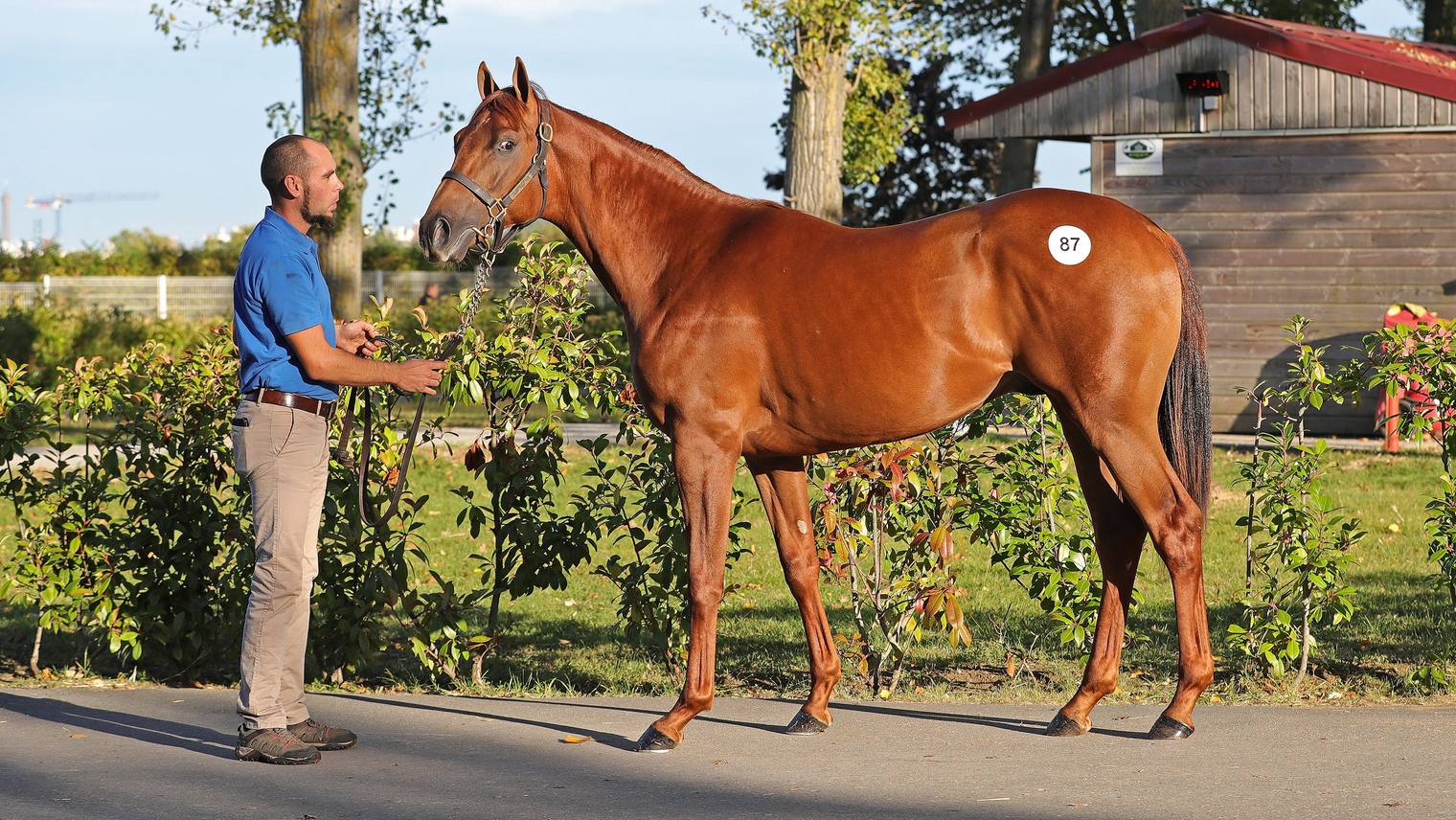
An advertised price does not tell you whether you can afford to keep that animal well. Separate the purchase, regular running costs and money available for unexpected expenses. A pony with a lower asking price will not necessarily have a small annual bill.
Compare similar ownership plans
Collect a short list of dated advertisements matching your intended use, the experience you need, the horse’s current work and your location. Record the asking price and any missing information. Asking prices are not completed sale prices, and a few adverts cannot establish a national average.
For a child, start with the pony they can actually ride and handle with their instructor. Buying a younger animal to save money may shift spending into training and professional help. Do not make the budget depend on a quick resale when the child grows.
Get each cost quoted
| When | What to include | What to ask |
|---|---|---|
| Before arrival | Purchase, veterinary examination, transport, paperwork, fitted equipment | What is the total, including tax and travel? |
| Monthly | Livery or home running costs, feed not included, lessons, chosen insurance | Exactly what does the package cover? |
| Throughout the year | Hoof care, veterinary and dental care, equipment maintenance, travel | What schedule and quotation suit this animal? |
| In reserve | Unexpected treatment, emergency transport, facilities repairs | What money is immediately accessible? |
Ask local providers for written quotations. Do not count hay twice if it is already included in livery. Check which services attract extra charges, such as turnout, rug changes, care or attendance at appointments.
Keeping a horse at home replaces the livery bill with other costs: land, fencing, shelter, water, storage, bedding, maintenance and cover during absences. Include the time commitment in your comparison too.
A worked calculation, not market prices
This is an entirely fictional euro-denominated example to demonstrate the method:
- Livery: €400 × 12 = €4,800.
- Instruction and other monthly extras: €100 × 12 = €1,200.
- Planned annual expenses: €1,000.
- Additional contingency provision: €1,200.
The example requires an annual allocation of €8,200, or approximately €683 a month, excluding purchase and initial setup. The €1,200 provision is not a promise that an emergency will be covered. Replace every assumption with your own quotes and distinguish accessible savings from money actually spent.
Test affordability before committing
Try setting aside the projected amount for several months. Recalculate for higher livery fees, a horse unable to work and an exceptional expense. Revisit the plan if it depends on competition winnings or a future sale.
Start equipment purchases with a list based on your activities and saddle fit. Decorative extras can wait; accommodation, instruction and ongoing care need funding from the outset.
From the workshops
Pieces related to this guide
Also worth reading